
As autumn evenings get darker, a few steady habits can help make the move from a busy day to bed feel calmer. Start with a wake time you can keep most days, then build a flexible wind-down around your work, caring duties and sleep needs. A routine can support sleep, but it cannot guarantee it or cure insomnia.
Let your wake time anchor the routine
Choose a wake time that fits your usual commitments and try to keep it fairly consistent, including after a restless night. This gives your day a regular starting point. The NHS also recommends going to bed and getting up at regular times as part of sleep hygiene.
Work backwards from that wake time to leave room for a gentler end to the day. You do not need a perfect schedule: a short, repeatable transition may be more practical than a long checklist. If you are tired, keep the routine simple; if you are not sleepy, avoid treating bedtime as a deadline.
Make a softer transition from work
A wind-down can begin when work ends, rather than at the moment you get into bed. Put away tasks that can wait, change into comfortable clothes, or take a few quiet minutes with a book, calm music or a warm drink without caffeine. Pick one or two options you actually enjoy.
If work messages or household jobs tend to follow you into the evening, try a small closing ritual: write down tomorrow’s first task, set out what you need, then put the list aside. The aim is to create a clear pause, not to finish every task before you are allowed to rest.
Adjust light and the bedroom to suit you
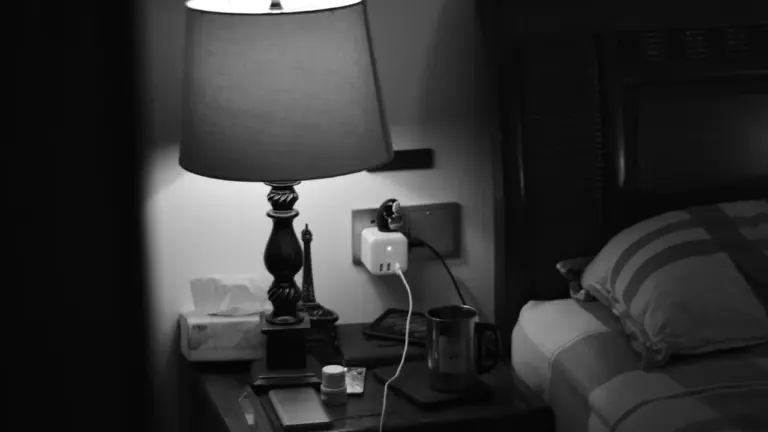
If bright light near bedtime feels stimulating, lower the room lighting and reduce screen brightness as you get closer to sleep. This is an option, not a rule that every reader must follow. A dimmer, comfortable room may make the evening feel less activating, but avoid turning light management into another source of pressure.
Make the sleep space as comfortable as your circumstances allow. Consider a room that is dark, quiet and comfortably cool, with bedding that suits the season. In autumn, a warmer duvet may help, but overheating can be uncomfortable; adjust layers rather than assuming one setup works for everyone.

Adapt the routine for shifts and caring duties
A conventional evening routine may not fit people working nights or rotating shifts, or caregivers who are woken unpredictably. Instead, attach the same calming steps to the period before your main sleep, whenever that happens. A steady wake time may also be impossible during changing shifts or disrupted nights, so focus on the most consistent anchor your life permits.
For shift workers, that might mean dimming lights and setting up a quiet, dark sleep space after a night shift. For caregivers, it could be preparing essentials for the next interruption, then using a brief calming activity when a chance to sleep appears. These adjustments are practical experiments, not medical treatment; ask a clinician for advice if sleep problems persist or affect your safety and daily life.
Remember that sleep varies from night to night
People differ in how much sleep they need, and one poor night does not mean that a routine has failed. Sleep can be lighter or more broken during stressful periods, illness, changes in schedule or family responsibilities. Try to judge a habit over time rather than by one night’s result.
If you wake and feel frustrated, give yourself a little space to settle rather than watching the clock or repeatedly checking whether you are asleep yet. The NHS advises seeking help when insomnia is affecting daily life and self-help has not worked. A routine may be one helpful part of looking after sleep, but it is not a substitute for support when problems continue.
When to speak to a health professional
Contact your GP if sleep difficulties persist, are affecting your ability to cope during the day, or do not improve with self-help. Severe daytime sleepiness also deserves medical advice, particularly if it makes driving, work or caring responsibilities unsafe.
Tell a health professional if someone has noticed pauses in your breathing during sleep, or if you wake gasping or choking. These symptoms can need assessment. Do not assume that a bedtime routine will address them; a clinician can help decide what is causing the problem and what support is appropriate.
Source: NHS
Context & actions About this article
Source check Health context
This practical guide reflects NHS advice on insomnia and sleep habits; it does not diagnose sleep problems.
- Keep a regular bedtime and wake time where your schedule allows.
- Seek GP advice if insomnia affects daily life and self-help has not worked.
- Ask for medical advice about severe daytime sleepiness or breathing pauses during sleep.
- Source
- NHS: Insomnia
- Scope
- United Kingdom
- Updated
- 2026-10-23 10:30
Source check
Report a trust issue
Send a clear signal to community moderation if the source, facts or context need review.



Comments