By GlobeBids Editors
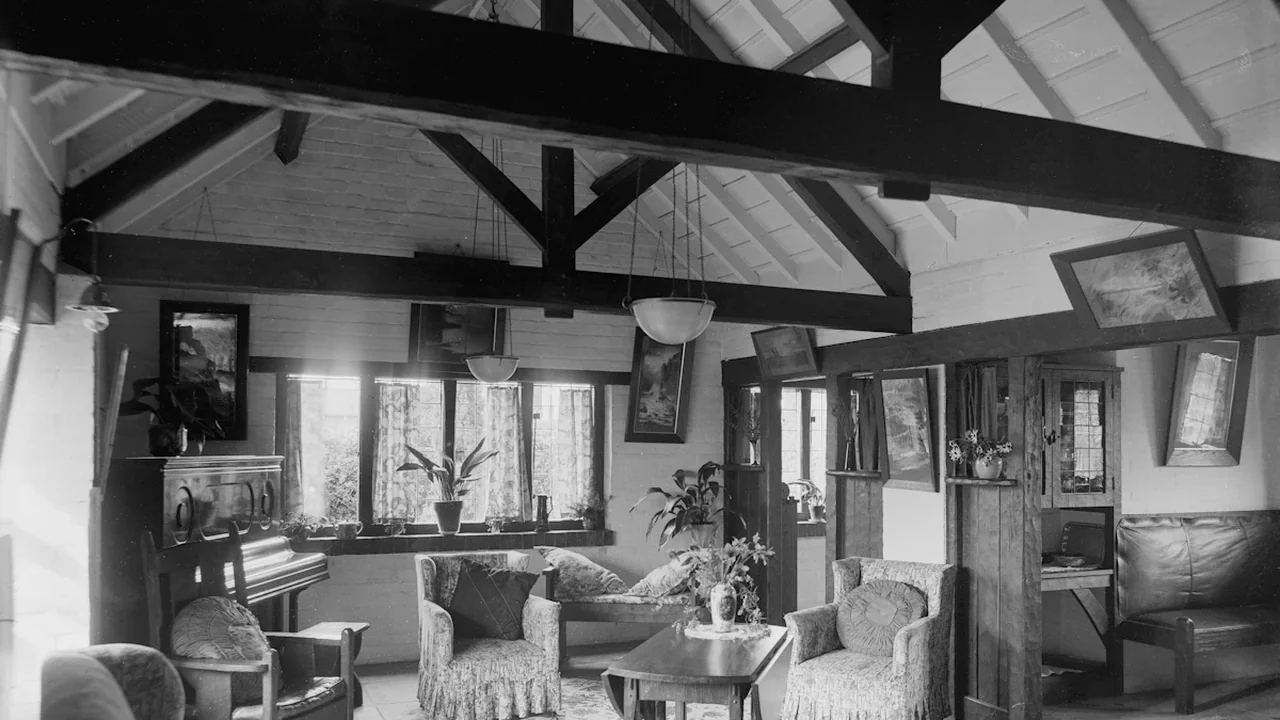
An unfamiliar house in a dream may give you a useful way to think about a current change. The room that held your attention, the door you hesitated to open or the route you could not find may recall a choice in waking life. Those details are starting points for reflection, not fixed signs with the same meaning for everyone.
Start with the house as you experienced it
A dream house may be entirely new, or it may feel familiar despite having a layout you have never seen. Notice that distinction before trying to interpret any individual room. Did you know where you were going, or were you searching for an exit? Did the place feel welcoming, exposed, crowded or private?
The sequence can matter as much as the setting. A person who moves freely from room to room has a different dream experience from someone who keeps returning to the same hallway. Neither pattern predicts what will happen next. Each offers a more precise question about how the dream felt.
Try describing the layout in ordinary words: “I entered through a side door, passed three closed rooms and stopped at a bright kitchen.” That account preserves details you might otherwise replace with a broad statement such as “I dreamed about a house.” If the memory is patchy, record only what you recall.
Rooms may bring privacy and priorities into focus
A room draws attention partly because of what you did there. Were you invited in, looking for somewhere to be alone, or worried that someone else would enter? A bedroom might bring privacy to mind for one dreamer; for another, it may simply resemble a room they recently visited. Your own associations carry more weight than a universal room dictionary.
An unfamiliar room can also provide a prompt about unexplored options. You might connect a room you wanted to enter with a job you are considering, a conversation you have delayed or an interest you have had little time to pursue. That connection is useful only if it fits your circumstances; the dream itself does not establish what you should choose.
Pay attention to rooms you passed without entering, too. Passing a door may reflect urgency within the dream, or it may be an incidental detail. Ask what drew your attention at the time. A locked door, a crowded room and a quiet room offer different experiences even when they appear in the same house.
Doors and strange layouts can frame a current choice
Doors make a simple image for access and boundaries, but the action around them matters. Opening a door, finding one locked or choosing to leave it closed can bring different questions to mind. Was the choice yours? Did you know what was on the other side? Did you feel relieved or disappointed when you moved on?
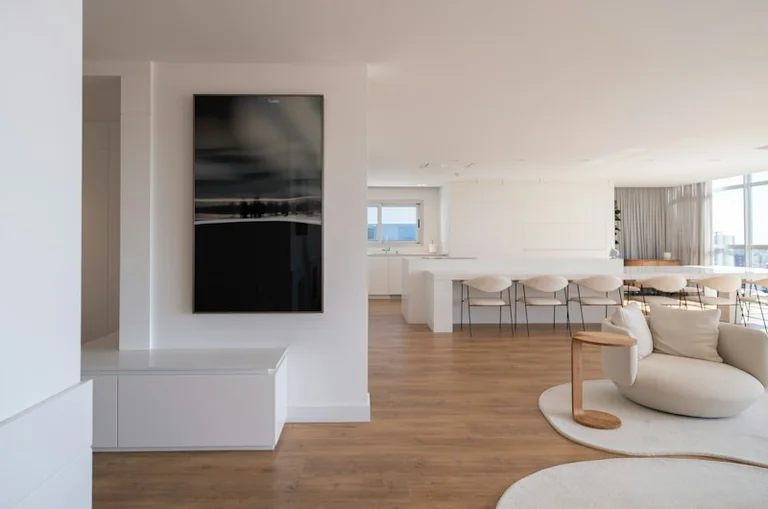
Unfamiliar layouts can be especially memorable during life transitions because they give you a concrete way to describe uncertainty. You may recognize the feeling of learning a new workplace, adjusting to a move or reconsidering a relationship. The dream need not be caused by any one of those experiences for the comparison to help you think.
Avoid forcing every feature into a neat match. A staircase does not have to stand for progress, and a closed room does not have to conceal a problem. If one detail has no clear connection to your life, leave it open. The parts that feel relevant may become clearer when you consider the dream as a whole.
House stories offer context, not a single answer
Houses feature widely in stories and dream traditions. They can provide a setting for belonging, secrecy, discovery or change. That range helps explain why house imagery invites interpretation, but it also makes a fixed meaning unreliable. A family home, a temporary rental and a building you have never entered can carry very different associations for different people.
Your personal history changes the question. Someone planning a move may notice the unfamiliar floor plan; someone seeking more privacy may remember a door that would not close. Another person may have watched a film with a similar house. Recent experiences and older memories can both shape what stands out.
Treat dream interpretation as a reflective exercise rather than a verdict. You do not need to decide that the house represents your entire life. One remembered moment may be enough to identify a feeling or choice worth examining while awake.
Use one room to ask a better question
If you want to explore the dream, write down the room that drew your attention first. Note what happened there, how you felt and whether the place reminded you of anywhere real. Then name one choice currently on your mind. The connection may be direct, loose or absent; all three are useful observations.
Ask yourself: Which room drew my attention, and what current choice does it recall? If the answer points to a decision, consider what information you still need and what small step you can take while awake. The dream can help you frame the question; the choice remains yours.
Source: Editorial research



Comments