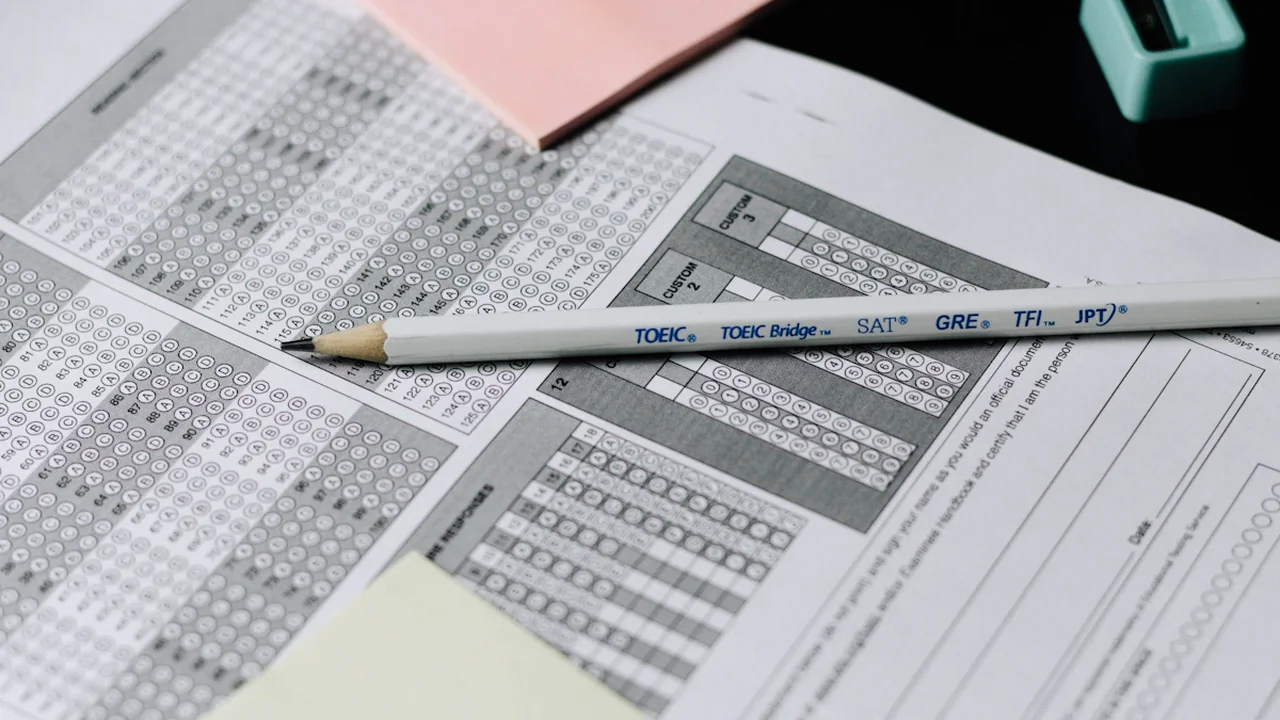
GCSE results will be released on Thursday 20 August 2026. Students and families in England should now confirm how results will be provided, check any sixth-form or college offer conditions and save the contact details needed if a grade affects the planned next step.
By the GlobeBids Education Desk | Published 18 August 2026
Complete these checks before results day
- Read the school’s collection or online-access instructions, including opening times and identification requirements.
- Check the grades required for every conditional sixth-form, college or training offer.
- Save telephone numbers and email addresses for the preferred provider and at least one alternative.
- Gather application references, offer letters and apprenticeship contact details in one place.
- Ask who at school will be available to discuss results, reviews of marking and resits.
- Write down questions in advance so decisions are not made under unnecessary pressure.
Students unable to collect results personally should ask their school now whether another person can collect them or whether secure remote access is available. Each school sets its own arrangements.
Contact the next provider as soon as a grade affects an offer
A result below an offer condition does not automatically settle the outcome. Contact the sixth form, further-education college, apprenticeship provider or training organisation promptly, explain the result and ask whether the place remains available or whether another course can be offered.
| Planned route | First action on results day |
|---|---|
| Sixth form or college | Check the offer conditions and contact admissions if a grade is different from the requirement. |
| Apprenticeship or training | Tell the provider the results and confirm whether the start arrangements remain unchanged. |
| Alternative course or provider | Ask about available places, entry requirements and enrolment deadlines. |
In England, young people must remain in education or training until age 18. This can mean full-time education, an apprenticeship, or qualifying part-time education or training alongside work or volunteering. The rule described here is specifically for England; arrangements differ elsewhere in the UK.
Discuss the result before requesting a review of marking
Students who believe a result may be wrong should first speak to their school or college. GOV.UK guidance says the school or college can request a review from the exam board and may later appeal a decision.
Before agreeing to a review, ask:
- What evidence suggests the marking should be reviewed?
- Could the grade stay the same, rise or fall?
- Would any changed grade arrive in time to affect an offer?
- Is there a fee, and who would pay it?
- Does the school need the student’s written consent?
- What is the exam board’s deadline?
A review of marking checks how the exam board applied the marking process; it does not guarantee a higher grade. An appeal challenges a decision made after the relevant review process. A resit is a separate arrangement to take an assessment again and should be discussed with the school, college or future provider.
The Joint Council for Qualifications timetable confirms 20 August as GCSE results day. The most useful final check is the student’s own school message, because it will give the local collection time, contact person and support arrangements.
Source: Joint Council for Qualifications
Context & actions About this article
Source check Official guidance
The date, exam-result challenge process and participation rules are based on published JCQ and GOV.UK guidance.
- JCQ lists Thursday 20 August as GCSE results day in 2026.
- GOV.UK directs students to begin result challenges through their school or college.
- GOV.UK sets out England’s education and training participation requirement until age 18.
- Source
- Joint Council for Qualifications
- Scope
- England
- Updated
- 2026-08-16 14:28
Source check
Report a trust issue
Send a clear signal to community moderation if the source, facts or context need review.



Comments