By GlobeBids Travel Desk
Reviewed: 1 September 2026
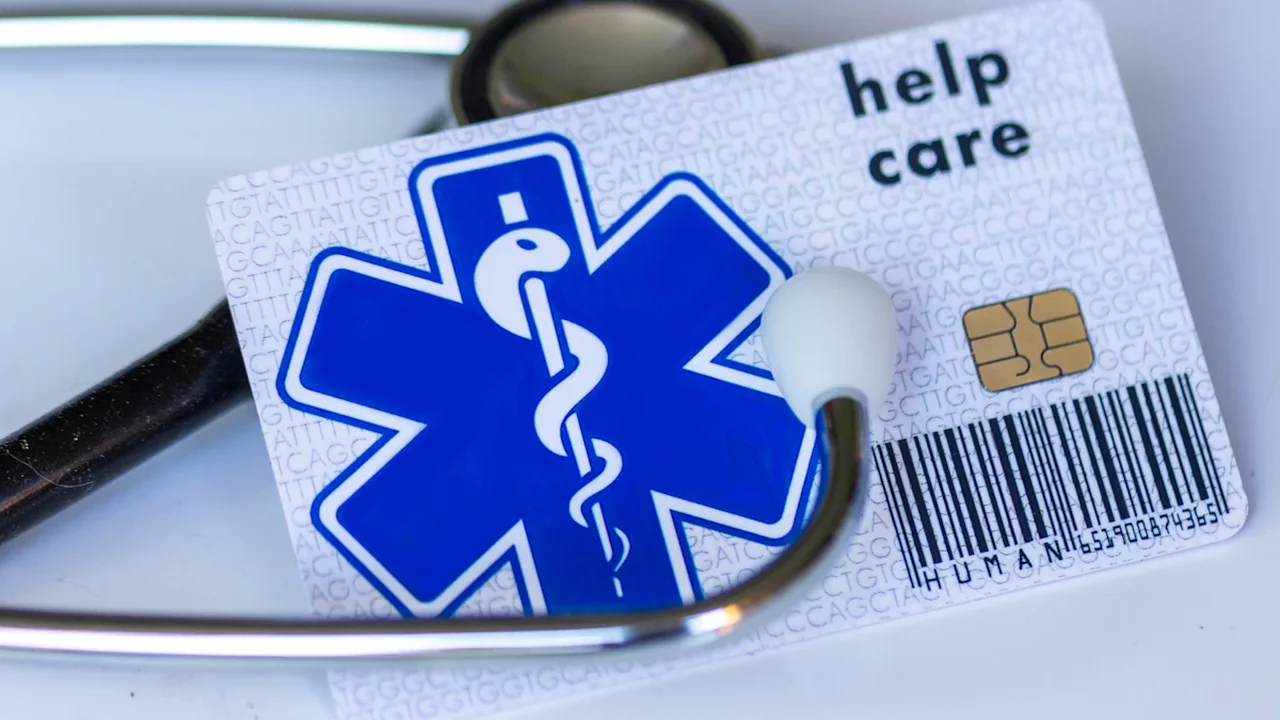
A valid UK Global Health Insurance Card can help eligible UK travellers obtain medically necessary state healthcare during a temporary stay in covered European destinations. However, a GHIC is not travel insurance: it may leave you responsible for patient charges, private treatment, disrupted travel and medical repatriation.
The practical picture
- Check that every eligible traveller has a valid card before departure.
- Confirm whether GHIC arrangements apply at your destination.
- Buy insurance suited to your health, activities and itinerary.
- Keep the card and insurance details accessible during the trip.
What a GHIC can cover during a temporary stay
A GHIC provides access to medically necessary treatment through the destination’s state healthcare system, generally on the same basis as a resident. This can include care that cannot reasonably wait until you return to the UK, but the treating healthcare provider determines what is medically necessary.
“Same basis” does not always mean free. If local residents pay a consultation fee, prescription charge or other contribution, a UK visitor may also have to pay it. Travellers should identify state-system providers because presenting a GHIC at a private clinic does not necessarily create entitlement to reimbursement.
Eligibility and territorial coverage can differ according to the traveller and destination. Check the current rules rather than assuming that one card applies everywhere in Europe.
Costs and problems a GHIC may not cover
A GHIC does not replace appropriate travel insurance. Depending on the circumstances, it may not cover:
- Private medical care outside the state system
- Every local patient contribution or treatment cost
- Transport back to the UK for medical reasons
- Mountain, maritime or other specialist rescue
- Cancellation, curtailment, delays, theft or lost belongings
Insurance terms also vary. Disclose relevant medical conditions accurately, check exclusions and confirm that planned activities and every destination on the itinerary are covered.
Checks to complete before travelling
- Verify each traveller’s GHIC eligibility and card expiry date.
- Check whether the destination and any transit countries are covered.
- Read the destination-specific health section of FCDO travel advice.
- Arrange suitable travel insurance from the date it is needed.
- Save policy, assistance and emergency contact details offline.
Apply through the NHS route, which is free. Fee-charging intermediary websites are unnecessary and may make an official-looking application appear to require payment.
Official pages for current guidance
Use the NHS GHIC application and eligibility guidance to check the card rules and apply without charge. Before departure, review the FCDO foreign travel advice for destination-specific health, entry and safety information.
Recheck both pages shortly before travelling, particularly if the itinerary, traveller’s circumstances or destination changes.
Source: NHS
Context & actions About this article
Source check How this guide was checked
This guide uses NHS information on GHIC eligibility and applications alongside destination-specific FCDO travel advice.
- GHIC applications are available free through the official NHS route.
- Coverage concerns medically necessary state healthcare during eligible temporary stays.
- Destination rules and individual eligibility should be checked before travel.
- A GHIC does not replace appropriate travel insurance.
- Source
- NHS GHIC guidance
- Scope
- United Kingdom and Europe
- Updated
- 2026-09-01 15:28
Source check
Report a trust issue
Send a clear signal to community moderation if the source, facts or context need review.




Comments