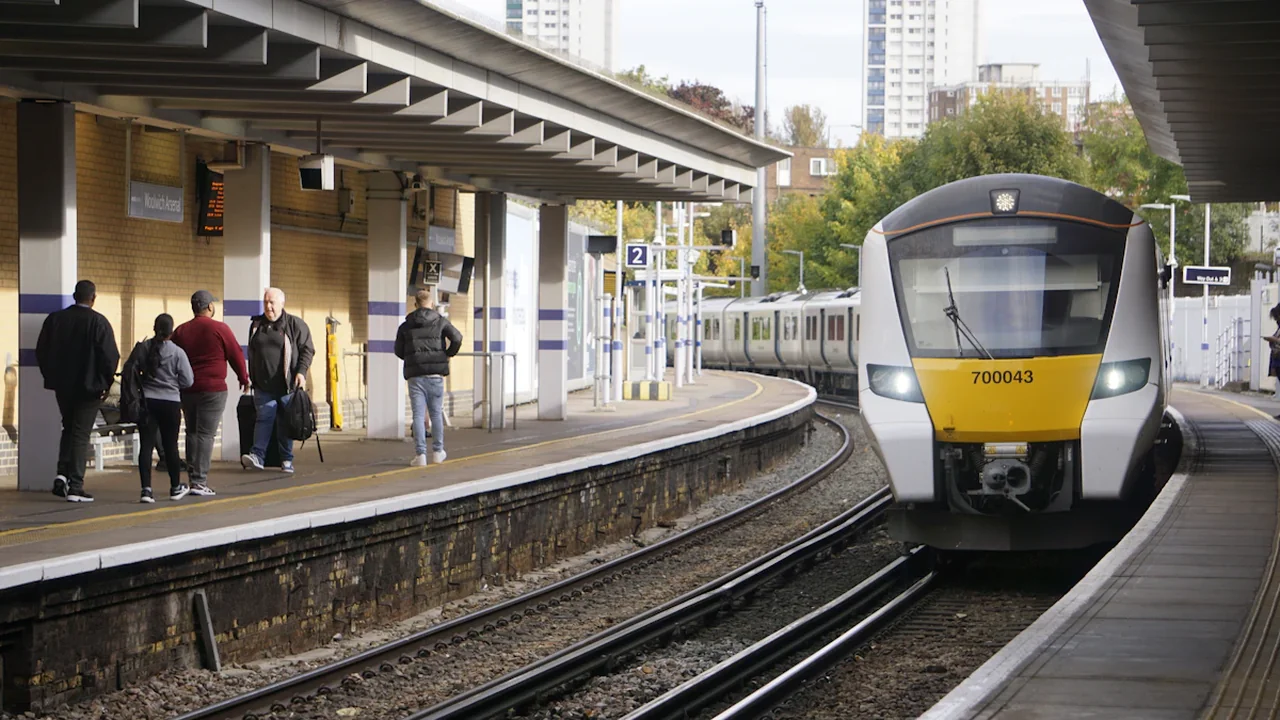
Check your train shortly before leaving, even if it was running as planned earlier. For a UK rail journey, review live service updates, planned engineering work, your ticket’s conditions and any accessibility arrangements; if you are delayed, keep a record and check the operating train company’s current Delay Repay policy.
Check live running information before you leave
Search for your journey on National Rail or the train operator’s website or app. Check the departure and arrival stations, calling points, expected times and any disruption notices. Live information can change, so check again shortly before departure and while travelling if your plans depend on a connection.
A service shown as running normally is a snapshot, not a guarantee. If an update appears, read its details: it may describe a delay, cancellation, a changed platform, a revised timetable or a replacement bus. Follow station announcements and staff instructions too, since circumstances can change after you set out.
Look for planned engineering work
Rail engineering work can change routes, timetables and the stations a train serves. Check for planned work affecting your travel date and the line or stations you will use. A journey planner may show amended services, but read the operator’s notice for details such as replacement buses, extra journey time or where to board.
If you are travelling early or late, check the first and last services as well as the journey you intend to take. Engineering changes can affect connections and the time needed to reach a station, even when part of your route remains open.
Review your ticket and route conditions
Before travelling, read the conditions attached to your ticket. The permitted route, train and time may depend on the ticket type, and the rules for changing plans can differ. If disruption affects your intended service, check the operator’s instructions before buying another ticket or choosing a different route.
Keep your ticket or booking confirmation accessible. If you booked through a retailer, check its guidance as well as the train operator’s notice. Do not assume that a ticket valid on one service or route will automatically be accepted on another; look for specific advice covering your journey.
Plan for accessibility and alternative travel
If you need step-free access, assistance, accessible toilets or another travel arrangement, check the facilities at each station on your route and contact the relevant operator if you need help confirming what is available. Disruption may change where you board or require a transfer, so allow time to review any revised arrangements.

When a service is cancelled or a route changes, check the operator’s advice on alternatives. This may include another train, a different route or replacement transport. Confirm where any replacement service departs and whether it serves your destination. If you are unsure whether an alternative meets your access needs, ask station staff or the operator before setting off on that leg.
Keep a clear record if your journey is delayed
If a delay or cancellation affects your trip, save evidence while it is easy to find. Keep your ticket or booking confirmation, note the date and trains you planned to take, and record the actual departure and arrival times. Screenshots of service updates and relevant operator messages may also help explain what happened.
For a connection, note which train you missed and how the disruption affected the rest of your journey. Keep receipts for costs you want to ask about, but check the operator’s rules before assuming an expense can be reimbursed. A clear timeline can make it easier to complete a claim accurately.
Check the operator’s current Delay Repay rules
Delay Repay eligibility, claim deadlines and compensation amounts depend on the relevant train operator’s current policy and the details of your journey. Check the policy for the company that operated the affected service, using its official website or claim form. Read the conditions for qualifying delays, the evidence required and how to submit a claim. A June 1 rail disruption example covering Euston and GWR travel provides broader context for the Delay Repay rules.
Do not rely on a general description of Delay Repay to decide whether you qualify. Policies and claim arrangements can vary, and the rules in force when you travel are the ones to check. National Rail can help you find journey information; the operator’s current guidance is the place to confirm its compensation process.
Where to check before departure
Use National Rail and your train operator to review the same journey close to travel time. Check the date, stations and service details carefully, then look for operator notices about engineering work, altered routes or replacement transport. If your plans include an important connection or accessibility requirement, confirm those details directly with the operator.
For the most useful final check, look again shortly before leaving and note the time of any major update. If the service changes, follow the latest operator and station advice, keep your journey records, and check the relevant operator’s Delay Repay policy after the trip.
Source: Nationalrail
Context & actions About this article
Source check Travel check
Live running details and compensation conditions can change, so confirm them with National Rail and the train operator for your journey.
- Check live service information shortly before departure.
- Review planned engineering work for your date and route.
- Confirm ticket and accessibility arrangements with the operator.
- Check the relevant operator’s current Delay Repay policy.
- Source
- National Rail
- Scope
- United Kingdom
- Updated
- 2026-10-22 09:48
Source check
Report a trust issue
Send a clear signal to community moderation if the source, facts or context need review.



Comments