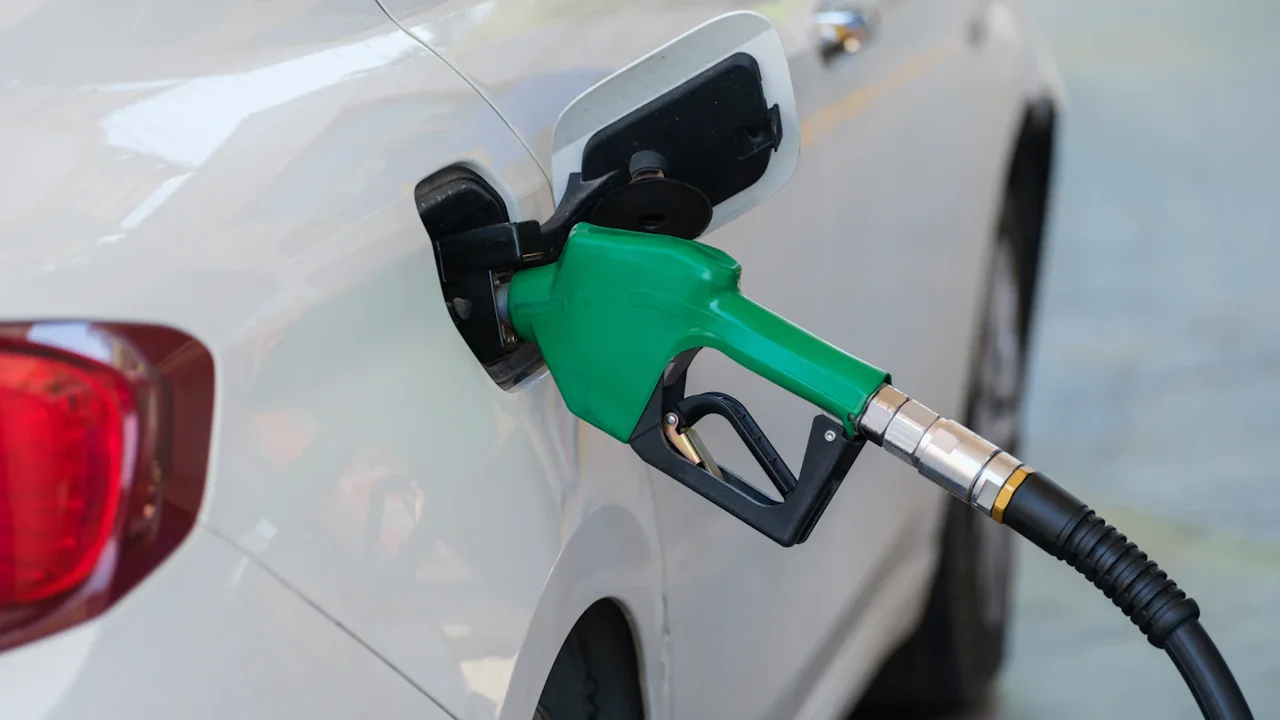
Fuel prices across the UK continue to fluctuate, driven by global crude oil volatility and local supply chain logistics. For drivers, this means the cost of filling up can vary significantly depending on where and when you stop to refuel.
Understanding Price Variations
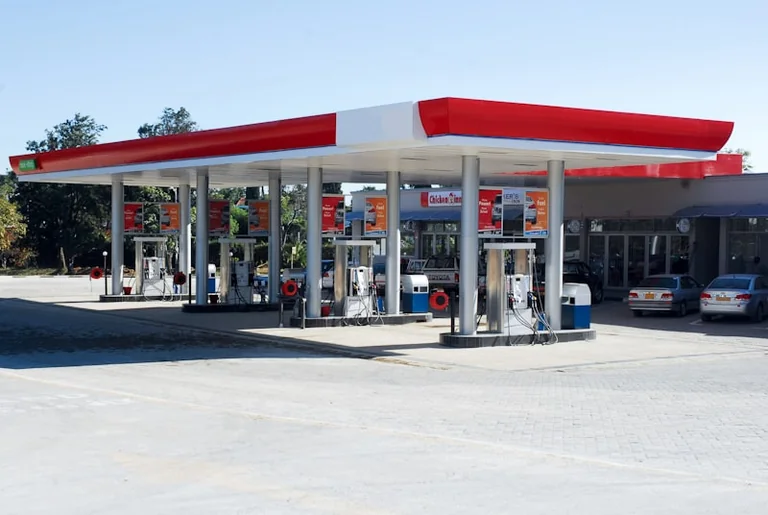
There is a persistent price gap between motorway service stations and local supermarket forecourts. Motorway locations often carry a premium due to their convenience and higher operating costs. In contrast, supermarkets frequently use fuel as a loss-leader to encourage grocery shopping, often resulting in lower prices per litre.
Tips for Optimising Your Fuel Spend
- Compare Local Prices: Use online fuel comparison tools to check prices in your immediate area before starting your journey.
- Avoid Motorways: If you have enough fuel to reach a destination off the motorway, wait until you are back on local roads to fill up.
- Drive Efficiently: Smooth acceleration and maintaining a steady speed can significantly improve your vehicle’s fuel economy.
- Keep Tyres Inflated: Under-inflated tyres increase rolling resistance, forcing your engine to work harder and consume more fuel.
- Lighten Your Load: Remove unnecessary heavy items from your boot to reduce the total weight your vehicle needs to move.
Staying informed about average market trends helps you spot when a station is charging significantly above the regional norm. By planning your refuelling stops and maintaining your vehicle properly, you can mitigate the impact of daily price volatility at the pump.
Read also: UK fuel prices: compare your forecourt with the weekly average
Source: RAC
Context & actions About this article
Source check Data Context
This guide incorporates current market factors identified by the RAC.
- Check local supermarket prices
- Verify current oil market trends
- Source
- RAC
- Scope
- UK
- Updated
- 2026-08-22 12:40
Source check
Report a trust issue
Send a clear signal to community moderation if the source, facts or context need review.



Comments