
Staying hydrated at work does not require forcing down a fixed number of litres. For most healthy adults in a typical UK workplace, a practical approach is to drink regularly with meals, keep water accessible and respond to thirst, while adjusting for heat, activity, diet and health. Very high water intake can be harmful, and some people need clinician-directed fluid limits.
By the GlobeBids Health Desk | Last reviewed 9 September 2026
Your fluid needs can change from one day to the next
There is no single intake that suits every person, job and day. The NHS describes six to eight cups or glasses of fluid a day as a general guide, not a compulsory target. Drinks and water-rich foods both contribute, and some people need more or less.
Body size is one factor: a larger body will often require more fluid than a smaller one. Diet also matters. Soups, fruit, vegetables and yoghurt supply water, while salty meals may increase thirst. Tea and coffee count towards fluid intake, although large amounts of caffeine may cause side effects such as restlessness or disturbed sleep.
Weather and activity can change needs quickly. A warm office, physical work, exercise, heavy protective clothing or a hot commute can increase sweating. More fluid may also be needed during pregnancy or breastfeeding, and when fever, vomiting or diarrhoea causes additional losses.
Illness and medication complicate the picture. Some medicines increase urination, cause sweating or contribute to a dry mouth. However, dry mouth does not always mean the body needs large volumes of water. A pharmacist or clinician can explain whether a medicine changes fluid needs and whether any special monitoring is required.
A simple routine for an ordinary workday
In a comfortable indoor workplace, use regular opportunities to drink instead of chasing a bottle count. A workable routine is to:

- Have a drink with breakfast and take any medicines exactly as directed.
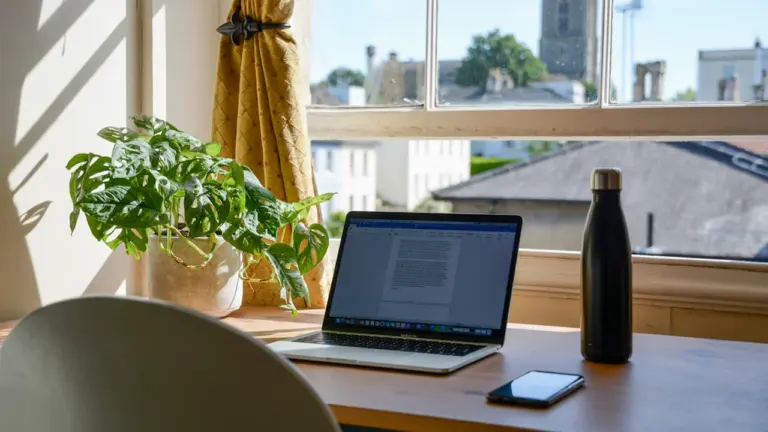
- Keep a reusable bottle or cup within easy reach rather than out of sight.
- Drink with lunch and other meals instead of relying on one large intake later.
- Respond to thirst when it appears, particularly after walking, cycling or physical work.
- Take extra drink breaks during hot weather or when workplace clothing increases sweating.
- Review the routine if thirst, urine output or working conditions change noticeably.
Water is a convenient default, but milk and sugar-free drinks can also contribute. Tea and coffee count too. Regularly using sugary drinks for hydration can add substantial sugar and calories, while alcohol is not a sensible hydration strategy.
The aim is steady access and flexibility. Drinking a very large amount before a meeting or at the end of the day is less useful than spacing drinks naturally across meals and breaks. There is normally no need to interrupt sleep solely to meet an app-generated target.
Urine colour is only a rough guide
Pale yellow urine can be a reassuring everyday sign, while darker urine may suggest that more fluid is needed. Colour should not be treated as a precise hydration test, however, and perfectly clear urine is not a goal that must be maintained.
Urine is commonly darker first thing in the morning because it has become more concentrated overnight. Vitamin supplements, especially some B vitamins, can make it unusually bright yellow. Beetroot and other foods may change its appearance, while medicines can produce colours that do not reflect hydration.
Frequency also varies with caffeine, alcohol, medicines, pregnancy, bladder conditions and blood glucose. Someone urinating often should not automatically drink more to compensate without considering why it is happening.
Blood in the urine, persistent cloudiness or an unexplained colour change needs appropriate medical advice rather than interpretation through a colour chart. The same applies when dark urine continues despite reasonable drinking or occurs with yellowing of the skin or eyes.

More water is not always safer
The kidneys can remove excess water, but their capacity is not unlimited. Drinking an excessive quantity over a short period can dilute sodium in the blood, causing hyponatraemia. Possible symptoms include headache, nausea, vomiting, confusion, weakness, seizures or reduced consciousness.
People with certain heart, kidney or liver conditions may be told to restrict fluid. Their safe allowance may include water, tea, coffee, milk, soup, ice and other liquids—not just drinks labelled as water. They should follow their clinical plan rather than general workplace advice or a fitness app.
Do not independently increase or reduce a prescribed fluid limit. Seek advice from the clinician managing the condition if heat, illness, exercise or a change in medication makes the plan difficult to follow.
Symptoms that need medical advice
Persistent thirst can sometimes be associated with diabetes, medication effects or another medical condition. Very frequent urination, especially when accompanied by ongoing thirst, unexplained tiredness, weight loss or blurred vision, should be discussed with a GP rather than managed as a productivity problem.
Contact NHS 111 or seek prompt clinical advice if suspected dehydration is accompanied by unusually little urine, continuing dizziness on standing, a fast heartbeat, rapid breathing, marked drowsiness or an inability to keep fluids down. Babies, older adults and people with long-term conditions can become seriously unwell more quickly.
Sudden confusion, seizures, collapse or reduced consciousness require urgent help through 999 or emergency care. These symptoms may have causes other than fluid balance and should not be treated by rapidly drinking water.
For routine guidance, the NHS information on water and drinks explains the flexible six-to-eight-glass guide, while the NHS dehydration page lists symptoms and routes to care. Anyone following a fluid restriction should use the individual instructions supplied by their clinical team.
Source: Editorial research
Context & actions About this article
Source check UK health guidance
This guide distinguishes flexible everyday drinking cues from symptoms and medical conditions requiring NHS or clinician advice.
- Treat six to eight glasses as a general guide rather than a mandatory target.
- Account for weather, activity, diet, pregnancy, illness and medication.
- Do not override a clinician-directed fluid restriction.
- Seek medical help for persistent thirst, very frequent urination or serious symptoms.
- Source
- NHS: Water, drinks and your health
- Scope
- United Kingdom
- Updated
- 2026-09-09 13:27
Source check
Report a trust issue
Send a clear signal to community moderation if the source, facts or context need review.



Comments