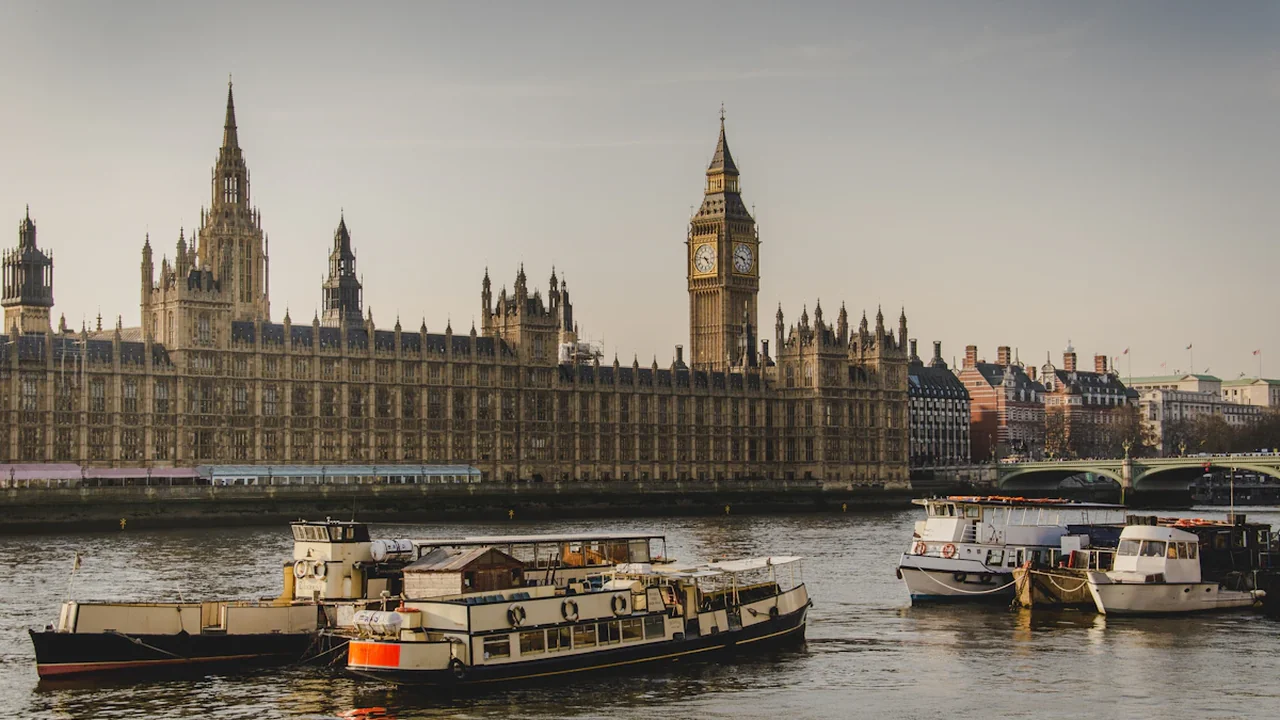
Legislative proposals to reshape the oversight powers of the Electoral Commission are currently under active review in the UK House of Commons. As of August 19, 2026, the government is debating whether to adjust the Commission’s regulatory reach, a move that carries significant implications for the conduct and integrity of future national elections. This legislative effort represents a potential shift in how electoral standards are enforced and how the body responsible for those standards interacts with the executive branch.
The Essentials
- Current Status: Legislative proposals are under formal review in the House of Commons.
- The Core Debate: Balancing independent oversight with government-led administrative reform.
- Key Stakeholders: The UK Parliament and the independent Electoral Commission.
- Resolution: The question of whether these reforms become law will resolve as YES if the proposed legislation is passed into law and receives Royal Assent by December 31, 2026.
The Legislative Landscape and Institutional Role
The Electoral Commission has long functioned as the independent body responsible for overseeing party and election finance, as well as setting standards for how elections are run across the UK. Its role is foundational to the democratic process, ensuring that political entities adhere to established financial regulations and that electoral procedures remain transparent. Proponents of the current reform argue that the government requires greater oversight to ensure that the Commission remains accountable to the democratic process. They suggest that the current oversight model may be too insulated from parliamentary scrutiny, potentially creating a disconnect between the Commission’s regulatory actions and broader government policy objectives.
Critics, however, warn that weakening the Commission’s independence could compromise public trust and create a perception of political interference in electoral management. The argument from this perspective is that the Commission’s strength lies in its ability to operate without fear or favor from the executive branch. Any change to its structure, they contend, must be handled with extreme caution to avoid undermining the impartiality of the electoral system, which is a cornerstone of public confidence in the outcome of national elections.
Arguments for and Against Reform
Those supporting the legislation often point to the need for modernized administrative structures that align with contemporary government policy. The push for reform is framed by some as a necessary update to ensure that independent bodies remain responsive to the legislative intent of Parliament. By bringing the Commission into closer alignment with standard government oversight mechanisms, supporters believe the system can achieve a better balance between independence and accountability.
Conversely, opposition voices, including various civil society groups and legal experts, argue that the Commission’s independence is its most valuable asset. They suggest that the current regulatory framework is designed specifically to prevent the executive from exerting influence over the rules of the game. If the Commission were to become more integrated into government-led administrative structures, these critics fear that the perception of impartiality could be irreparably damaged, leading to increased skepticism among the electorate regarding the fairness of future ballots.
Understanding the Legislative Timeline
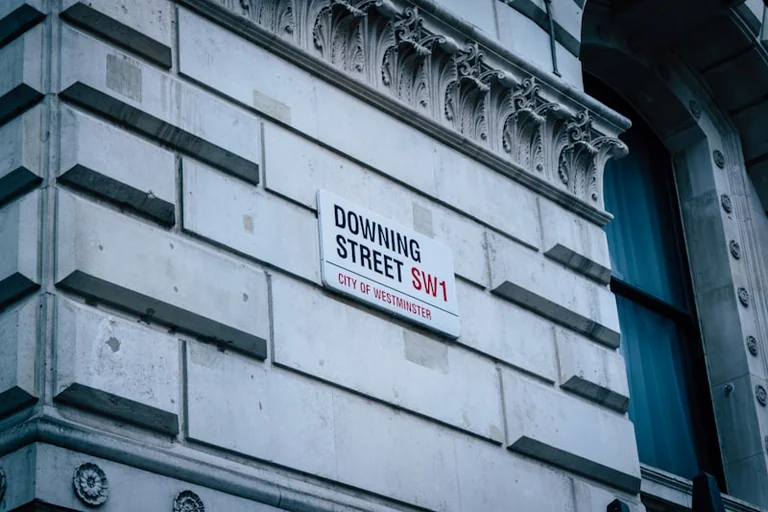
Parliamentary debates are expected to intensify throughout the autumn of 2026. For the proposed reforms to proceed, they must clear several stages in the House of Commons, including detailed committee scrutiny, where the specific language of the bill will be examined, debated, and potentially amended. Following this, the legislation must move to the House of Lords, where it will undergo a similar process of review and debate. The path to enactment remains uncertain, as the government must navigate not only internal party dynamics but also significant public and institutional pushback regarding the potential for reduced independence.
Forecast Resolution and Procedural Hurdles
The resolution of this issue will depend on whether a formal Act of Parliament receives Royal Assent by the end of the calendar year. The legislative process is inherently complex; even if a bill passes the House of Commons, it can be delayed or significantly altered during its passage through the House of Lords. If the bill is stalled, amended beyond recognition, or rejected by either chamber, the current structure of the Electoral Commission will remain unchanged, effectively resolving the question in the negative.
What to Watch in the Coming Months
Readers should monitor official announcements from the UK Parliament regarding the scheduling of secondary readings and committee reports. These milestones are the primary indicators of the bill’s progress. The specific language contained in committee reports will be particularly revealing, as it will signal whether the government intends to soften its approach to the Commission’s oversight or if it will push forward with the original scope of the reforms.
Beyond the parliamentary schedule, observers should pay close attention to statements from the Electoral Commission itself, as well as any formal responses from cross-party committees. These inputs will likely shape the public discourse and influence the final vote. As the December 31, 2026, deadline approaches, the focus will shift to whether the government can maintain the necessary parliamentary support to finalize the legislation before the end of the year. If the bill does not reach the stage of Royal Assent by this date, the proposed changes to the Electoral Commission’s oversight powers will not be enacted, maintaining the status quo for the foreseeable future.
Source: UK Parliament
Context & actions About this article
Source check Legislative Tracking
Legislative proposals are currently being debated in the House of Commons as of August 2026.
- Monitor UK Parliament legislative database for bill progress
- Check official updates from the Electoral Commission
- Source
- UK Parliament
- Scope
- United Kingdom
- Updated
- 2026-08-21 11:58
Source check
Report a trust issue
Send a clear signal to community moderation if the source, facts or context need review.


Comments