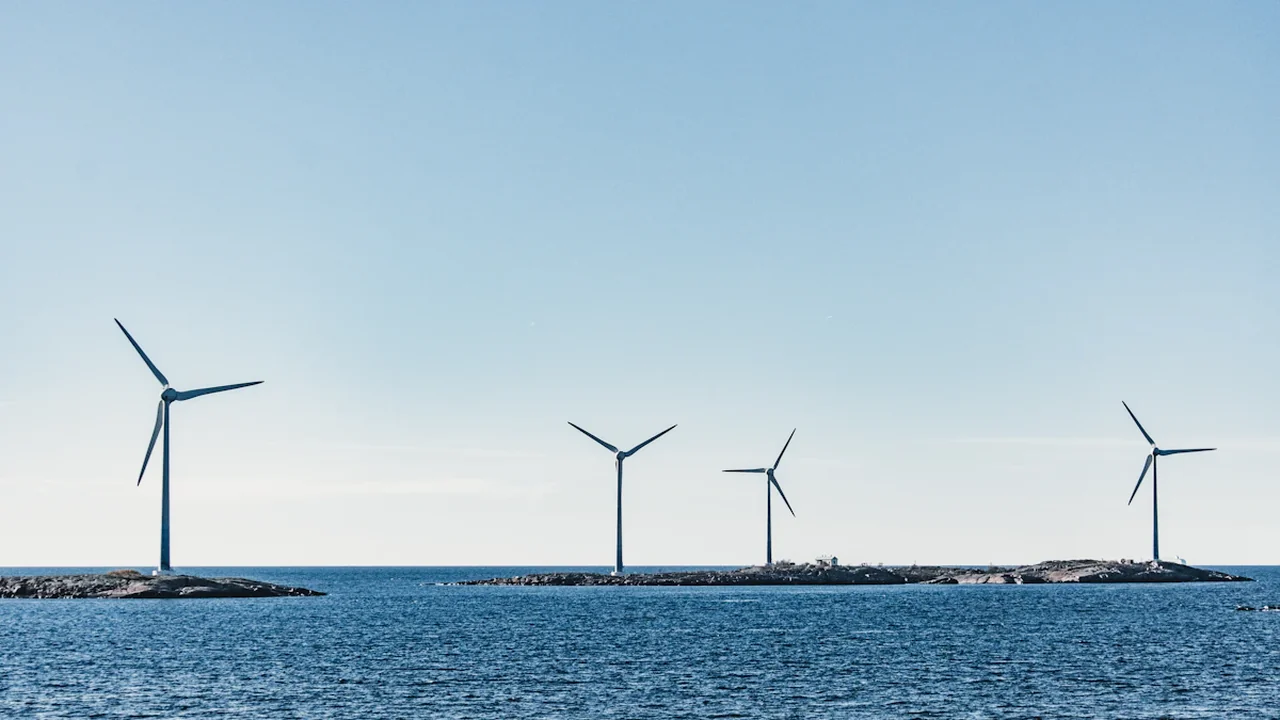
The United Kingdom’s ambition to establish itself as a global leader in offshore wind energy is currently undergoing a rigorous stress test. As the 2030 deadline approaches, the Department for Energy Security and Net Zero (DESNZ) is tasked with overseeing a complex national infrastructure strategy. This strategy hinges on the successful execution of multi-stage tender rounds, the rapid expansion of grid connectivity, and the management of global supply chain pressures. For stakeholders, policymakers, and the public, the question of whether the UK can meet its stated capacity goals has become a central indicator of the nation’s broader decarbonization progress.
Current Infrastructure Status and Policy Framework
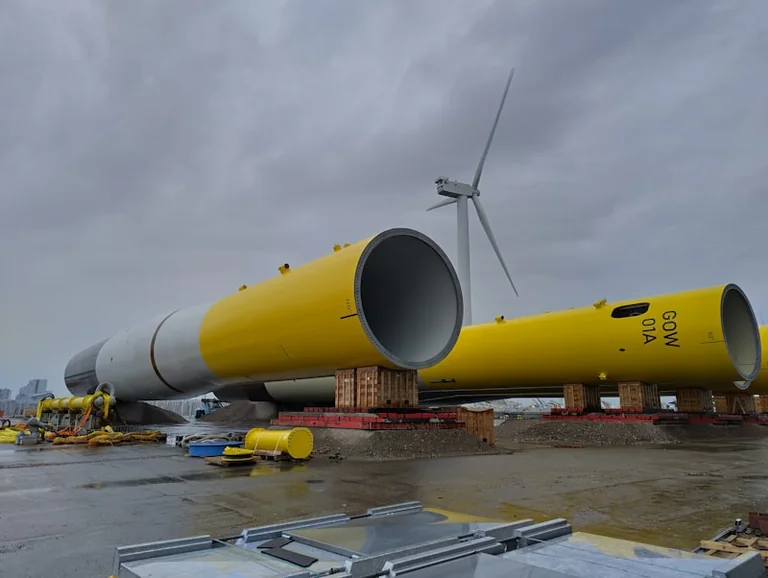
As of August 2026, the UK remains firmly committed to a significant expansion of its offshore wind fleet. Recent tender results indicate a concerted push by the government to accelerate project approvals and incentivize the necessary private capital investment required for large-scale deployment. The current infrastructure landscape is defined by a delicate balance: the government must maintain competitive pricing for electricity to keep consumer costs manageable while simultaneously addressing the logistical and engineering realities of North Sea turbine installation.
This balance is not merely a technical challenge but a policy imperative. Offshore wind is intended to serve as the backbone of a decarbonized power grid, meaning that any shortfall in capacity could have cascading effects on the UK’s energy security and long-term climate commitments. The government’s approach involves a continuous cycle of leasing rounds and contract-for-difference auctions, which are designed to provide the financial certainty needed by developers to commit to multi-billion-pound projects.
Forecast Essentials
- Question: Will the UK government meet its official offshore wind capacity targets by 2030?
- Deadline: December 31, 2030.
- YES Condition: Official DESNZ data confirms the operational capacity meets or exceeds the 2030 target.
- NO Condition: Official data shows total capacity falls short of the target.
- Primary Source: The Department for Energy Security and Net Zero (DESNZ) official annual capacity reports.
The Practical Picture: Challenges and Drivers
Meeting the 2030 targets requires more than just political will; it necessitates a sustained, high-velocity pipeline of successful seabed leasing and grid connection approvals. Proponents of the current strategy point to the recent uptick in tender participation as clear evidence that investor confidence is stabilizing. This stabilization is vital, as the capital-intensive nature of offshore wind requires long-term commitment from global energy firms.
However, the path forward is not without significant hurdles. Skeptics and industry analysts frequently highlight several critical bottlenecks that could impede progress:
- Grid Infrastructure: The pace of upgrading transmission cables and onshore substations must match the speed at which new wind farms are commissioned.
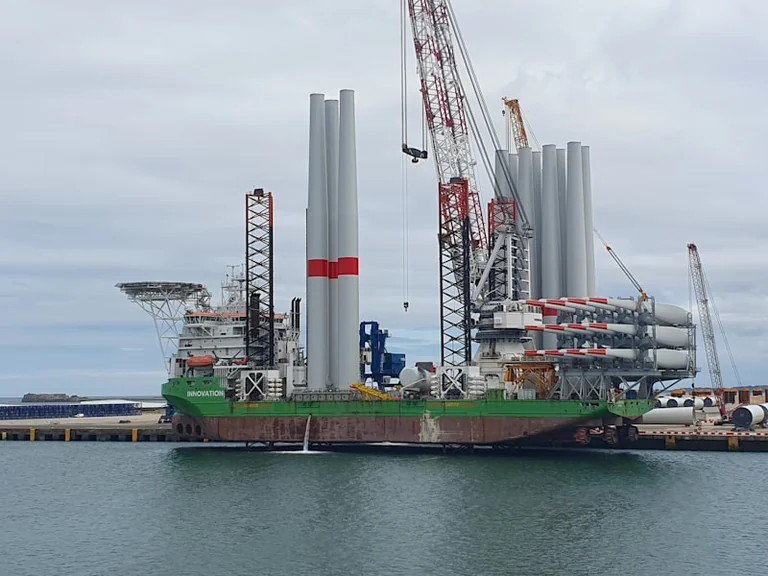
- Supply Chain Constraints: There is intense global competition for specialized installation vessels and high-tech turbine components, which can lead to project delays.
- Commissioning Timelines: The transition from a successful bid to an operational wind farm involves complex regulatory and environmental assessments that can extend project timelines.
These factors create a degree of uncertainty. If the commissioning of large-scale projects experiences significant delays, the feasibility of the 2030 goal will be directly impacted. The interplay between these logistical constraints and the government’s policy support mechanisms will determine the final outcome.
Market Implications and Monitoring Progress
For the energy sector, the 2030 target functions as a primary benchmark for long-term strategic planning. Companies involved in development, manufacturing, and the broader supply chain are closely monitoring DESNZ tender outcomes to adjust their operational strategies. The stability of the regulatory environment is a key variable; if the government maintains its current support mechanisms, the likelihood of meeting the target remains tied to the execution of the existing project pipeline.
For those tracking this development, the most reliable indicators are the annual progress reports published by DESNZ. These reports provide the definitive data on operational gigawatts and serve as the primary check on whether the national trajectory remains on course or requires further policy intervention. As the deadline nears, these updates will become increasingly critical for understanding the feasibility of the UK’s energy transition. Readers should prioritize these official government disclosures over speculative market commentary, as they represent the final arbiter for the 2030 capacity assessment.
Source: DESNZ
Context & actions About this article
Source check Official Target Tracking
This forecast is based on public capacity data released by the Department for Energy Security and Net Zero (DESNZ).
- Review official DESNZ annual reports
- Monitor ministerial statements on tender progress
- Source
- DESNZ Official Site
- Scope
- United Kingdom
- Updated
- 2026-08-21 11:55
Source check
Report a trust issue
Send a clear signal to community moderation if the source, facts or context need review.


Comments