By GlobeBids Newsroom | 23 September 2026
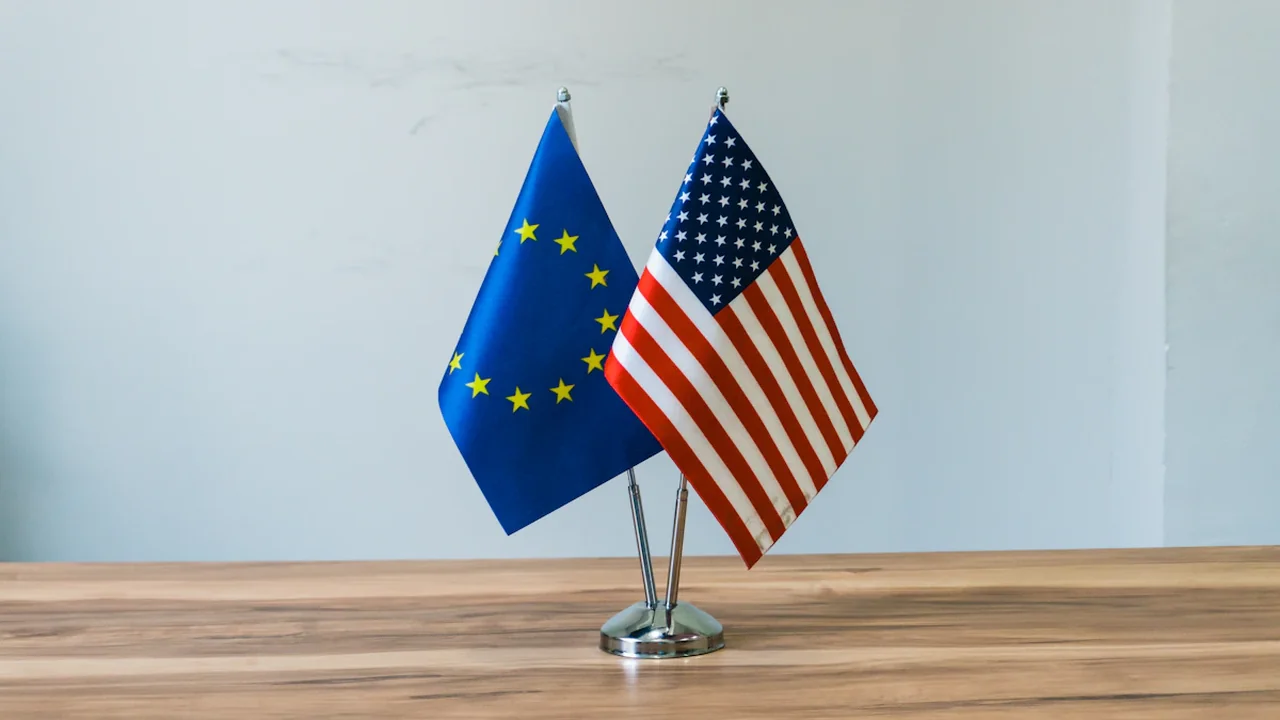
The UK government has announced a new AI and Autonomy partnership with the United States during the United Nations General Assembly. For people and businesses in the UK, the immediate change is a policy commitment to work together, not a new public service or a reduction in household bills. The next details to watch are which projects the governments select, who will deliver them and when any benefits can be measured.
UK and US announce AI and Autonomy partnership at UN
Prime Minister Andy Burnham announced the partnership during UN General Assembly activity on 22 September 2026, according to the UK Prime Minister’s Office. The government linked the work to responsible use of artificial intelligence and described security and practical benefits at home as aims of the wider effort.
The announcement establishes a shared direction for the UK and US governments. It does not, by itself, tell a household which bill might change or tell a business which tool it can use. Those questions depend on later decisions about projects, funding, delivery and how results will be assessed.
A separate Prime Minister’s Office account, published on 23 September, says Burnham met US President Donald Trump at the UN General Assembly and discussed the UK-US relationship and trade. That meeting provides diplomatic context, but the account does not establish a timetable for domestic AI services or cost savings.
Lower costs remain an aim, not a measured result
The government has presented technology as a possible way to help with pressures people face at home, including the cost of living. There is a substantial gap between that ambition and a measurable fall in costs. The available announcements do not identify a household saving, a start date or a service through which people can claim a benefit.
For example, an AI project might eventually help an organisation work faster or use resources more efficiently. Whether that would lower prices or improve a public service would depend on the project, its costs, its safeguards and decisions about passing any savings on. None of those outcomes follows automatically from an international announcement.
The distinction matters for businesses, too. A partnership can open the way for cooperation, but it is not the same as a contract, a grant programme or a change in the rules firms must follow. Businesses should wait for specific programme terms before treating the announcement as a new commercial opportunity or obligation.
Project choices will determine the UK impact
The next meaningful step is for the governments to set out what work the partnership covers in practice. Readers should look for named projects, participating bodies, budgets, delivery dates and published measures of success. Those details would show whether the commitment is moving towards a service or technology that people in the UK can actually use.
Responsible use will also need a practical definition for each project. If a proposed tool affects a public service, relevant questions include who oversees it, how its performance is checked and what happens when it makes an error. The answers will depend on the application; the partnership announcement alone cannot settle them.
For now, the clearest public milestone is a further UK or US government announcement naming a project and explaining its delivery plan. Until then, claims about cheaper household bills or immediate changes to public services should be treated as expectations, not outcomes.
Source: UK Prime Minister's Office
Context & actions About this article
Source check Government announcements
UK government statements establish the partnership announcement and the leaders’ meeting, while practical projects and measurable savings remain to be specified.
- The Prime Minister’s Office announced the AI and Autonomy partnership on 22 September 2026...
- A separate account of the Burnham–Trump meeting was published on 23 September 2026.
- The cited announcements do not establish an immediate reduction in household costs.
- Source
- UK Prime Minister’s Office
- Scope
- United Kingdom and United States
- Updated
- 2026-09-23 10:46
Source check
Report a trust issue
Send a clear signal to community moderation if the source, facts or context need review.




Comments