By GlobeBids Health Desk | 15 August 2026
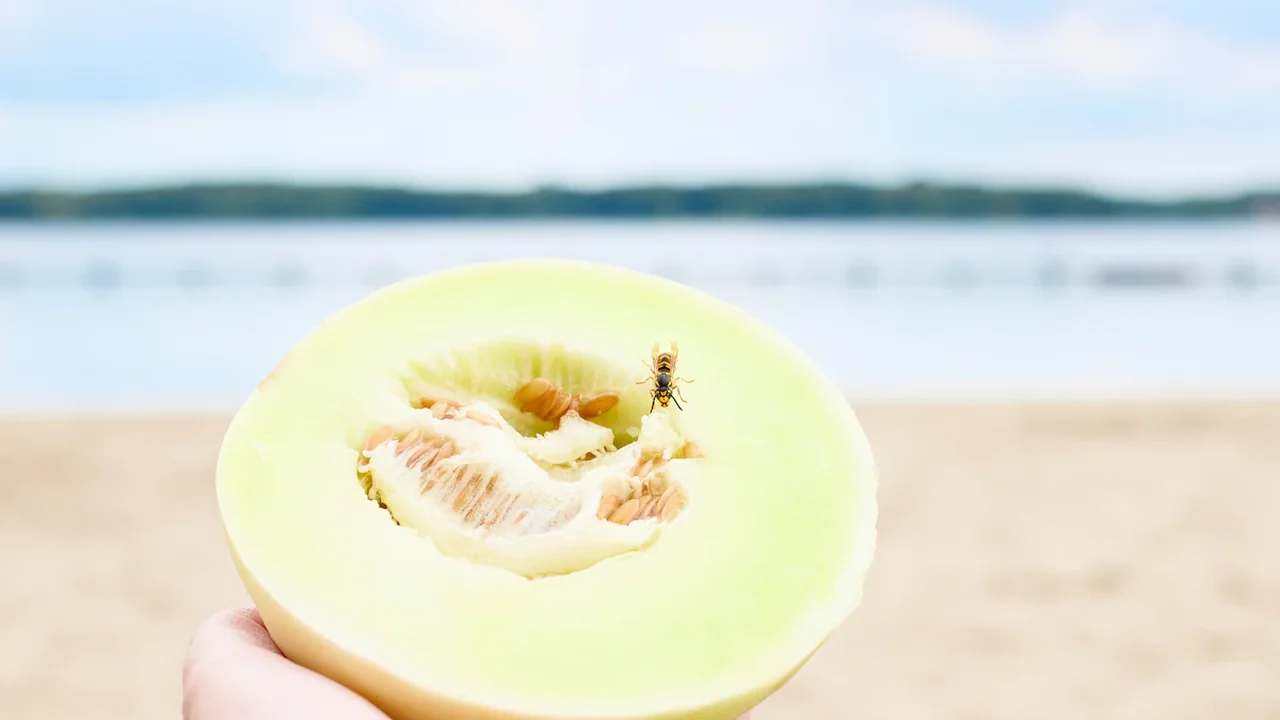
Late-August picnics, garden gatherings and family days out can bring people close to wasps attracted by food and drink. Simple precautions can reduce encounters, while knowing the difference between a local reaction and a medical emergency helps everyone respond calmly.
Reduce wasp risks around outdoor food and drinks
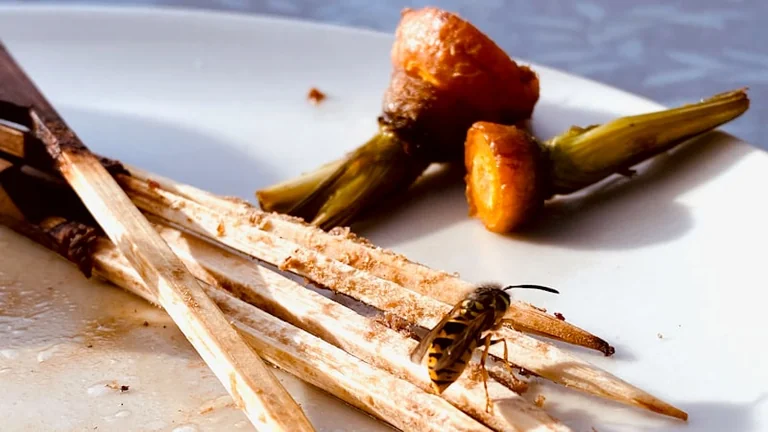
Make food less accessible and check anything that could conceal a wasp before eating or drinking.
- Keep sweet foods, desserts and drinks covered until needed.
- Inspect cans, bottles, cups and straws before every sip. Use lidded containers where practical.
- Clear spilled drinks, fallen fruit and food scraps promptly.
- Wear shoes outdoors, especially on grass where insects may be difficult to see.
- Move away slowly if a wasp approaches. Swatting or making sudden movements may increase the chance of a sting.
- Keep bins closed and move plates away once people have finished eating.
Adults should supervise young children around open drinks and help them move away calmly if wasps gather.
First aid for an uncomplicated insect sting
Local pain, redness, itching or swelling around the sting site can occur without the emergency symptoms listed below. The NHS recommends these immediate steps:
- Move to a safe place to avoid further stings.
- If a sting is visible in the skin, remove it by scraping sideways with a fingernail or the edge of a bank card.
- Wash the affected area with soap and water.
- Apply a cold compress or an ice pack wrapped in cloth for at least 20 minutes if the area is swollen.
- Avoid scratching, which can damage the skin.
A pharmacist can advise about suitable treatments for pain, itching or swelling. Contact NHS 111 if symptoms are concerning, worsening or not improving, or if you are unsure what level of care is needed.
Call 999 when symptoms suggest anaphylaxis
Call 999 immediately if someone has difficulty breathing, swelling affecting the mouth or throat, collapses, becomes severely dizzy or develops symptoms that are worsening rapidly. These may be warning signs of a serious allergic reaction and should not be managed as an ordinary local sting.
Do not delay the emergency call while waiting to see whether symptoms improve. Follow instructions from the emergency call handler.
People with a known severe allergy should follow their plan
Anyone prescribed adrenaline auto-injectors should carry them as instructed and follow their personal clinical emergency plan. If an auto-injector is used for a suspected severe allergic reaction, call 999 and state that anaphylaxis is suspected, even if the person begins to feel better.
Wasps have a useful role in gardens
Wasps are predators of other invertebrates and contribute to garden biodiversity, according to the Royal Horticultural Society. Nests should not be disturbed casually. Keep people and pets away and seek appropriate professional advice if a nest creates a safety problem.
Source: NHS
Context & actions About this article
Source check Health guidance
Emergency and first-aid guidance follows NHS advice, with garden ecology context from the Royal Horticultural Society.
- Checked NHS first-aid guidance for insect bites and stings.
- Checked NHS emergency symptoms requiring a 999 call.
- Checked RHS information about the ecological role of wasps.
- Source
- NHS: Insect bites and stings
- Scope
- United Kingdom
- Updated
- 2026-08-15 13:34
Source check
Report a trust issue
Send a clear signal to community moderation if the source, facts or context need review.




Comments