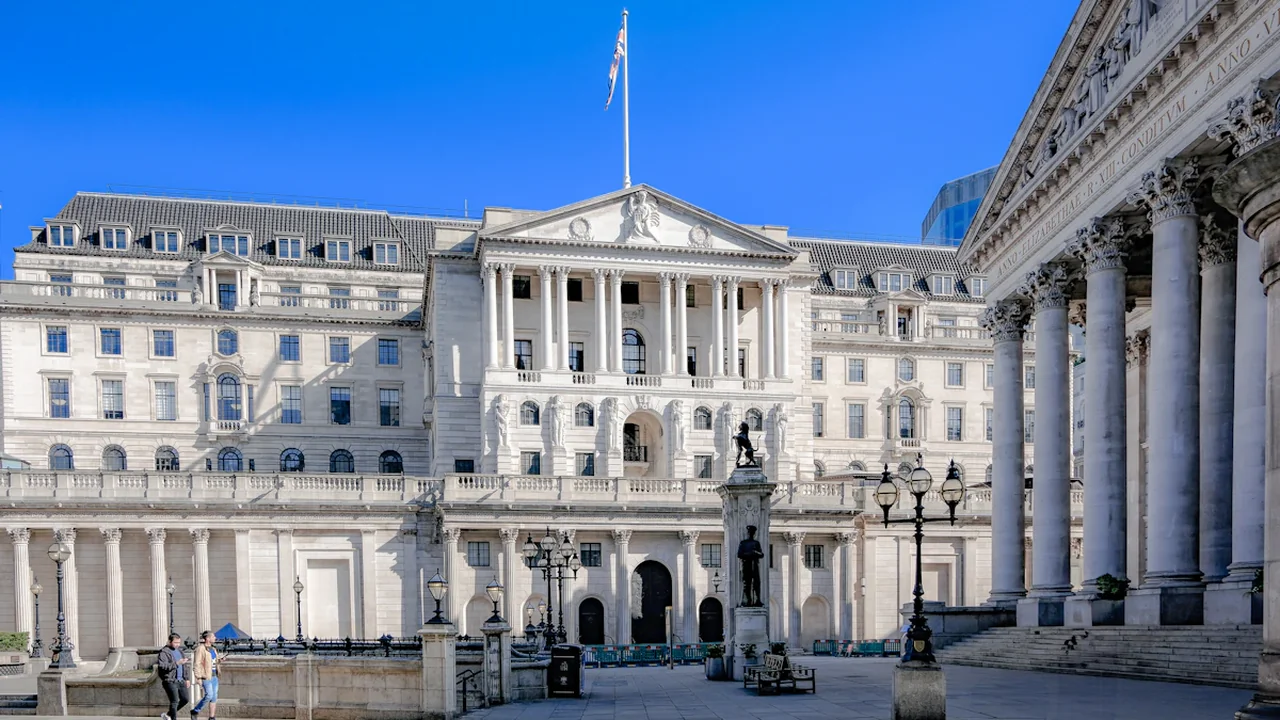
The Bank of England’s official Bank Rate page is the decisive public reference for a year-end comparison that could matter to mortgage borrowers, savers and other households. The test compares the rate shown at 12:00 BST on 16 August 2026 with the rate shown at 12:00 GMT on 31 December 2026. However, the supplied evidence does not contain the numerical rate displayed at the baseline timestamp, so no percentage can responsibly be inserted or used to activate the forecast until a timestamped official capture is available.
The year-end test in five points
- Question: Will Bank Rate finish 2026 below its 16 August level?
- Baseline: The official rate displayed at 12:00 BST on 16 August 2026.
- Deadline: 12:00 GMT on 31 December 2026.
- YES: The year-end rate is numerically lower than the verified baseline.
- NO: The year-end rate is equal to or higher than the verified baseline.
The result must come from the Bank of England’s official Bank Rate page. A saved screenshot or archived copy from each timestamp is necessary because the live page can subsequently change.
The exact 16 August baseline still requires a timestamped record
The Bank of England publishes the current policy rate and states that Bank Rate is set by the Monetary Policy Committee. That establishes the correct official page, but it does not establish what percentage appeared there at an earlier minute unless the figure was captured and preserved.
Read also: UK July CPI: Will inflation fall below 3.5% on 19 August?
The evidence supplied for this forecast confirms the page’s role but does not quote the rate displayed at 12:00 BST on 16 August. Substituting a remembered figure, a market estimate or a rate reported on another date could change the result and would make the comparison unreliable.
A valid baseline record needs to show the official page, the displayed percentage and the relevant timestamp. An archived copy should accompany the screenshot where possible. Once that evidence exists, the verified percentage can be placed prominently in the headline and opening section as the concrete threshold for the December test.
The timestamp also matters because 16 August 2026 falls on a Sunday. Bank Rate would ordinarily reflect the most recent effective policy decision, but that does not justify inferring the number. The displayed official figure at the specified time is the only baseline defined by this forecast.
Why the Monetary Policy Committee could choose a lower rate
A YES outcome would require at least one net reduction from the verified baseline by the end of December. The committee’s decisions are based on its assessment of inflation and the amount of persistent price pressure in the economy, not on a predetermined calendar path.
Evidence that could support a lower Bank Rate includes:
- CPI inflation moving sustainably towards the Bank’s target.
- Slower pay growth, reducing the risk of continuing domestic price pressure.
- Softer services inflation, which can be persistent and closely watched.
- Weak household or business demand.
- A cooling labour market, including less hiring pressure or rising unemployment.
No single indicator guarantees a cut. Headline inflation could fall while services prices or wages remain firm, leaving the committee concerned about persistence. Data can also be revised, and different committee members may place different weight on the same evidence.
The Bank publishes scheduled Monetary Policy Committee announcement dates, giving readers a calendar of the main decision points before year-end. An unscheduled change would count too if the resulting rate appeared on the official Bank Rate page by the resolution timestamp.
Why Bank Rate could be unchanged or higher on 31 December
A NO outcome covers more than a rate increase. It also includes an unchanged Bank Rate, because the test asks whether the December figure is strictly lower than the baseline.
The committee could hold the rate if inflation remained above target or if progress towards lower underlying pressure appeared uncertain. Strong pay growth, persistent services inflation or resilient demand could reinforce caution, even if some parts of the economy weakened.
An increase could become more plausible if inflationary pressure intensified materially. Possible signals would include renewed price rises, stronger-than-expected demand or evidence that wage and services inflation were not moderating. External shocks could also affect the outlook, although their policy implications would depend on whether they primarily raised prices, weakened activity or did both.
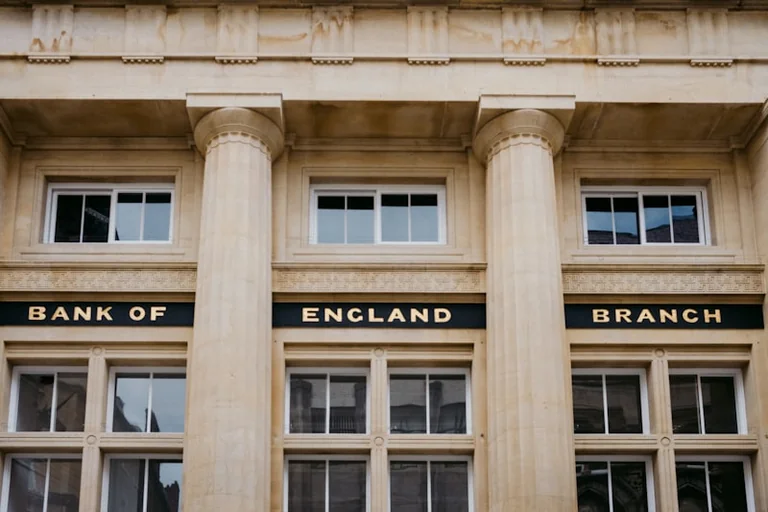
The scheduled MPC calendar identifies when regular decisions are expected, but it does not reveal their outcomes. Economic releases arriving between meetings can change the balance of evidence, and the committee can respond to exceptional circumstances outside its normal timetable.
Bank Rate influences household products without setting them directly
Bank Rate is an important reference point for borrowing and saving, but retail financial products do not move in a fixed one-for-one relationship with it. Lenders and savings providers also consider wholesale funding costs, market expectations, competition, credit risk, operating costs and their desired margins.
Variable and tracker mortgages
A tracker mortgage may be contractually linked to Bank Rate, so its payable rate can change when Bank Rate changes, subject to the product’s terms. Other variable mortgages, including standard variable rates, are set by lenders and may move by a different amount or at a different time.
Borrowers should therefore not assume that a quarter-point policy move automatically produces an identical change in every monthly payment. Product conditions, floors, caps and lender decisions can affect the result.
New fixed-rate mortgage offers
New fixed mortgage pricing often reflects expectations for future interest rates and funding conditions. That means offers can become cheaper before an MPC cut if markets anticipated the decision. They can also become more expensive even while Bank Rate is unchanged if expected future rates or funding costs rise.
Existing fixed-rate borrowers generally keep their contracted rate until the fixed period ends. The more immediate issue for them is the range of offers available when they refinance, not necessarily the policy rate on a single decision day.
Savings accounts and other borrowing
Banks and building societies decide how much of a policy-rate change to pass to savers. Easy-access rates can change quickly, while fixed-term savings products reflect expectations over their full term. Competition for deposits can sometimes keep an account rate higher than a simple Bank Rate comparison would suggest.
Credit cards, personal loans and overdrafts also depend on provider pricing and borrower circumstances. A lower Bank Rate can reduce some funding costs without ensuring that every household borrowing rate falls. These relationships are useful context, not personal financial advice or a promise about any particular product.
How the 31 December result will be determined
At 12:00 GMT on 31 December 2026, the percentage displayed on the Bank of England’s official Bank Rate page must be captured and archived. It will then be compared numerically with the separately preserved 12:00 BST baseline from 16 August.
The outcome is YES only if the December figure is lower. It is NO if the December figure is identical or higher. Any scheduled or unscheduled MPC change counts when it is reflected on the official page by the deadline.
If the live page changes after 12:00 GMT on 31 December, that later display does not replace the timestamped observation. The saved official-page capture from the resolution time governs the comparison. A subsequent correction would matter only if authoritative Bank of England evidence established that the page was displaying an incorrect figure at the specified timestamp.
Until the missing August capture supplies the exact percentage, the binary forecast remains inactive. The next useful checks are the preserved baseline record, the Bank’s remaining MPC announcement dates and the official page at the year-end deadline.
Source: Bank of England
Context & actions About this article
Source check Forecast verification
The comparison can be resolved only after the exact 16 August rate and the 31 December rate are preserved from the official Bank of England page.
- Verify the percentage displayed at 12:00 BST on 16 August 2026.
- Preserve a screenshot or archived official record for both timestamps.
- Compare the figures numerically at 12:00 GMT on 31 December 2026.
- Disregard live-page changes made after the resolution timestamp unless the Bank issues an...
- Source
- Bank of England Bank Rate
- Scope
- United Kingdom
- Updated
- 2026-08-17 12:15
Source check
Report a trust issue
Send a clear signal to community moderation if the source, facts or context need review.



Comments