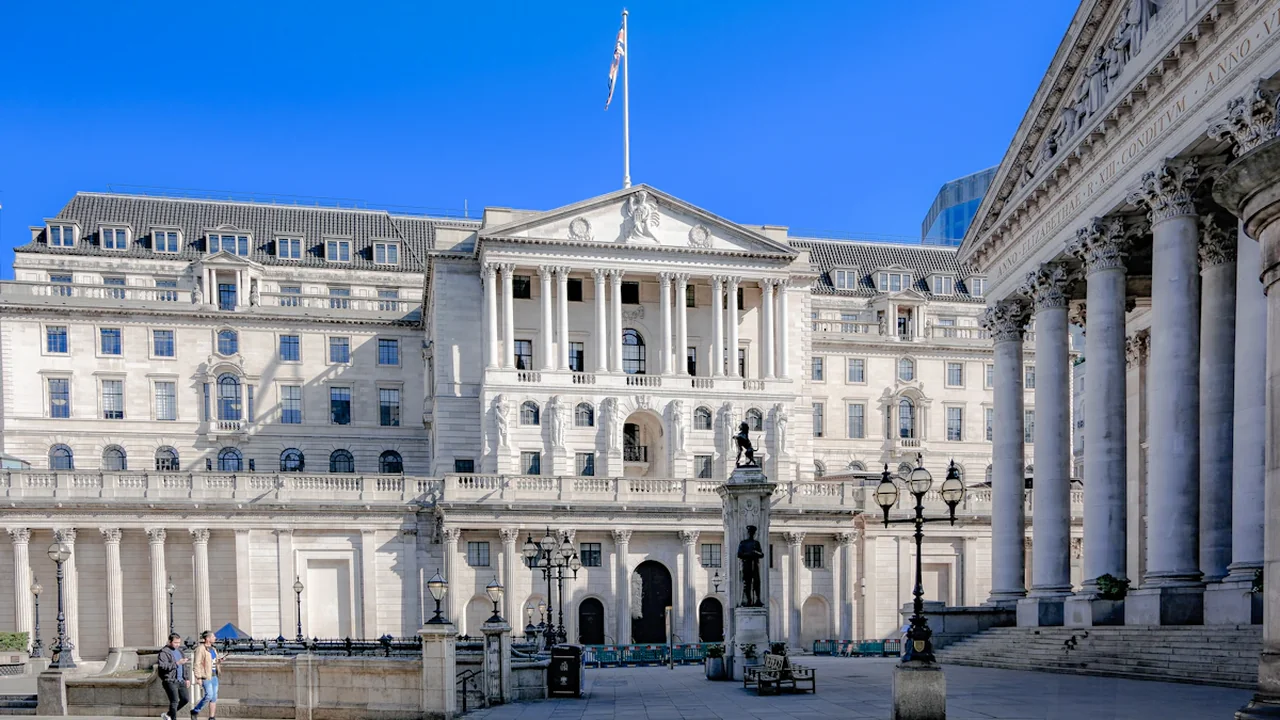
The Bank of England’s Monetary Policy Committee (MPC) is scheduled to announce its next interest rate decision on 24 September 2026. This upcoming meeting serves as a critical juncture for the United Kingdom’s economic trajectory, arriving at a time when inflation metrics are fluctuating near the central bank’s target range and national GDP growth is exhibiting signs of stagnation. For mortgage holders, business owners, and savers, the outcome of this meeting will dictate the cost of borrowing and the returns on capital for the final quarter of the year.
Forecast Question
Will the Bank of England cut interest rates by 25 basis points on 24 September 2026?
- Deadline: The official decision will be published on the Bank of England’s website on 24 September 2026.
- Resolution: The forecast resolves to YES if the MPC announces a 25 basis point reduction to the official Bank Rate. It resolves to NO if the committee chooses to hold rates steady, increase them, or implement a change of any other increment.
Economic Context and Household Impact
The MPC’s policy decisions function as the primary lever for managing the UK economy. When the Bank Rate changes, it ripples through the financial system, affecting everything from personal mortgage repayments to the interest earned on high-street savings accounts.
For homeowners currently on tracker mortgages, a 25 basis point cut would result in an immediate reduction in monthly interest payments, offering tangible relief to household budgets strained by the cost-of-living pressures observed throughout the year. Those on fixed-rate deals, while shielded from immediate volatility, will be watching the decision closely as an indicator of whether they might secure more favorable rates when their current terms expire. Conversely, savers have experienced a period of higher returns due to the restrictive rate environment maintained by Governor Andrew Bailey and the MPC. A rate cut would likely signal the beginning of a downward trend in savings yields, prompting savers to re-evaluate their long-term financial planning.
Factors Influencing the MPC
The committee faces a complex balancing act. Monetary policy is designed to anchor inflation expectations while supporting sustainable economic growth. The MPC must weigh two competing risks:

- Inflationary Persistence: If the latest Consumer Price Index (CPI) reports suggest that inflation remains “sticky” or prone to sudden spikes, the committee may opt to maintain higher rates to prevent a resurgence of price pressures.
- Economic Stagnation: If the data indicates that the UK economy is struggling with a lack of momentum, the case for a 25 basis point reduction becomes more compelling. Lowering rates is a standard mechanism to encourage business investment and stimulate consumer spending, which are essential for pulling the economy out of a period of stagnation.
Labor market tightness is another critical variable. A cooling labor market often precedes a drop in wage-push inflation, which would provide the MPC with the necessary “headroom” to lower rates without risking a secondary inflation cycle. Analysts are currently parsing the latest employment figures to determine if the labor market is softening sufficiently to justify a policy pivot.
What Changes and How to Monitor
The decision on 24 September 2026 will be communicated via the Bank of England’s official channels. The announcement typically includes the MPC’s vote tally, the official Bank Rate, and a summary of the committee’s rationale.
| Metric | Potential Impact of 25bps Cut | Potential Impact of Rate Hold |
|---|---|---|
| Tracker Mortgages | Monthly repayments decrease | Repayments remain unchanged |
| Savings Accounts | Interest rates likely to fall | Interest rates remain elevated |
| Business Loans | Borrowing costs potentially lower | Borrowing costs remain high |
| Consumer Spending | May increase due to lower costs | Likely to remain constrained |
Market participants and households should avoid relying on speculative commentary in the lead-up to the announcement. While official statements from Governor Andrew Bailey have remained cautious, emphasizing a data-dependent approach, the 24 September meeting will serve as the definitive test of whether the current economic climate warrants a shift in the monetary stance. Readers are advised to monitor the official Bank of England announcement page directly on the day of the meeting to obtain the final, confirmed interest rate change.
Source: Bank of England
Context & actions About this article
Source check Official MPC Schedule
The Bank of England has scheduled the next interest rate decision for 24 September 2026.
- Verify the official announcement on the Bank of England website on 24 September 2026.
- Source
- Bank of England
- Scope
- United Kingdom
- Updated
- 2026-08-20 12:06
Source check
Report a trust issue
Send a clear signal to community moderation if the source, facts or context need review.




Comments