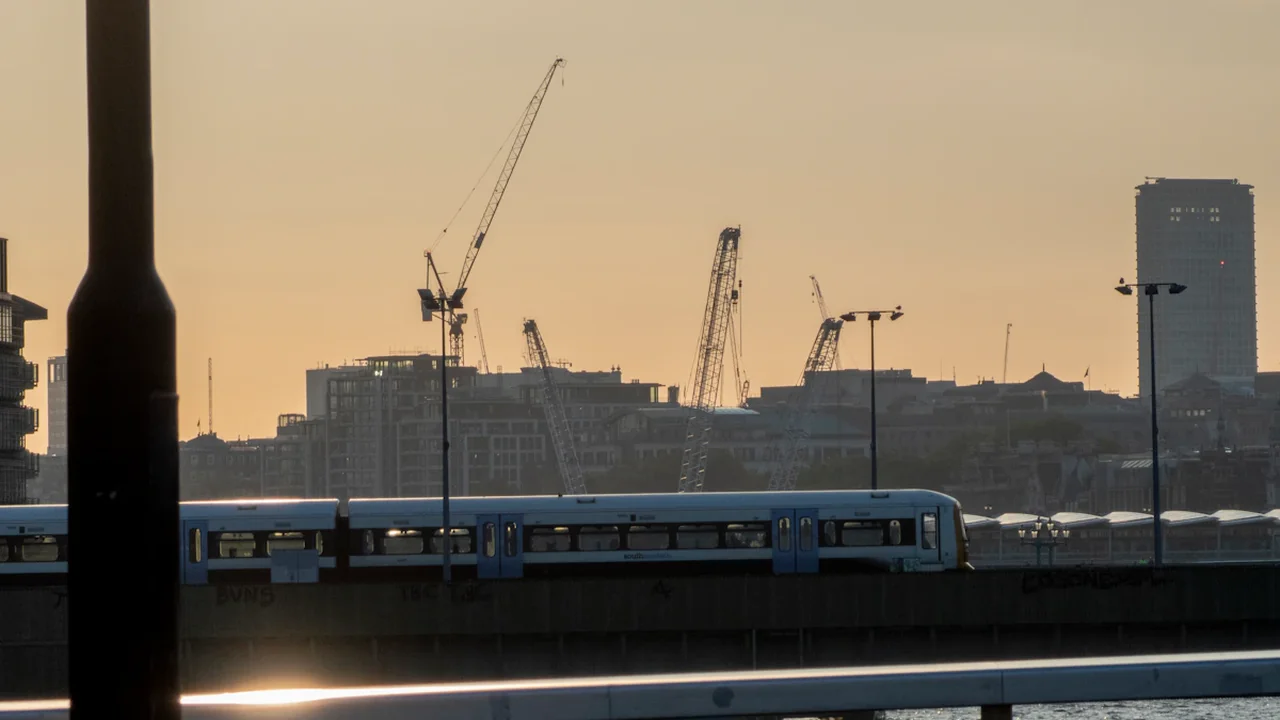
August 20th serves as a significant date for reflecting on the evolution of British civic infrastructure. Throughout history, this day has marked the completion or dedication of major projects that transformed how citizens navigate the landscape and interact with their local environment. These milestones remain embedded in the current British identity, offering a tangible link between the industrial ambitions of the past and the functional realities of 2026.
The Evolution of British Civic Infrastructure
Historic UK notes that August 20th is associated with several key anniversaries that highlight the development of public works. Infrastructure projects, from early bridge construction to the expansion of transit networks, were often driven by the need to connect growing urban populations. These efforts were not merely functional; they were often designed as grand statements of national progress, intended to stand the test of time.
When we examine the timeline of British development, it becomes clear that infrastructure was rarely an isolated event. Instead, these projects were part of a broader, iterative process of modernization. Whether through the implementation of new transit routes or the structural reinforcement of public buildings, the work completed on this date in various years reflects a consistent national drive toward connectivity. By analyzing these historical markers, we can see how the UK transitioned from localized, agrarian-focused hubs to the interconnected urban centers that define the modern landscape.
Connecting Past Innovation to Modern Utility
When we walk through historic districts or cross older bridges, we are interacting with decisions made decades or even centuries ago. The infrastructure established on dates like August 20th shaped the layout of modern towns and cities. By understanding the origins of these sites, residents can gain a deeper appreciation for the urban planning that continues to support daily life.
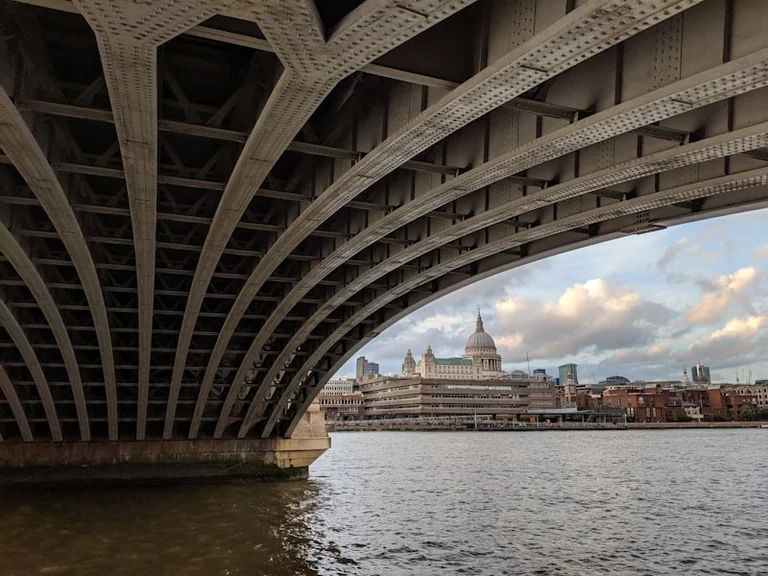
Modern preservation efforts often focus on maintaining these historic assets while adapting them to 21st-century requirements. This balance ensures that the physical legacy of the UK remains relevant, safe, and accessible for future generations. For the modern observer, this means that a bridge or public building is not merely a static monument, but a living component of the city’s current logistical network. The challenge for contemporary planners remains the same as it was for their predecessors: balancing the preservation of heritage with the necessity of efficient, high-capacity public service.
The Legacy of Public Development
Infrastructure serves as the backbone of local history. It reflects the economic priorities, engineering capabilities, and social aspirations of a given era. The projects celebrated on this day serve as case studies for how Britain has managed its growth and connectivity.
- Historical Continuity: Many sites established in the past continue to function as vital transit or civic hubs, proving the durability of early engineering designs.
- Engineering Heritage: These landmarks demonstrate the evolution of materials and design techniques, providing a physical record of the Industrial Revolution and its aftermath.
- Cultural Identity: Significant infrastructure projects often become landmarks that define the visual character of a region, anchoring the local identity in a shared history of progress.
As we look at these sites today, it is useful to consider the foresight of the engineers and planners who initiated them. Their work established the framework for the modern connectivity that defines the UK in 2026. Understanding these events helps bridge the gap between historical curiosity and a practical understanding of our current surroundings. By recognizing the origins of our public spaces, we can better appreciate the complex, multi-generational effort required to maintain the functionality of the British landscape.
Source: Historic UK
Context & actions About this article
Source check Historical Context
This article highlights the historical significance of August 20th in the context of British civic infrastructure development.
- Confirming historical infrastructure milestones
- Validating the significance of August 20th in local heritage records
- Source
- Historic UK
- Scope
- United Kingdom
- Updated
- 2026-08-20 09:23
Source check
Report a trust issue
Send a clear signal to community moderation if the source, facts or context need review.



Comments