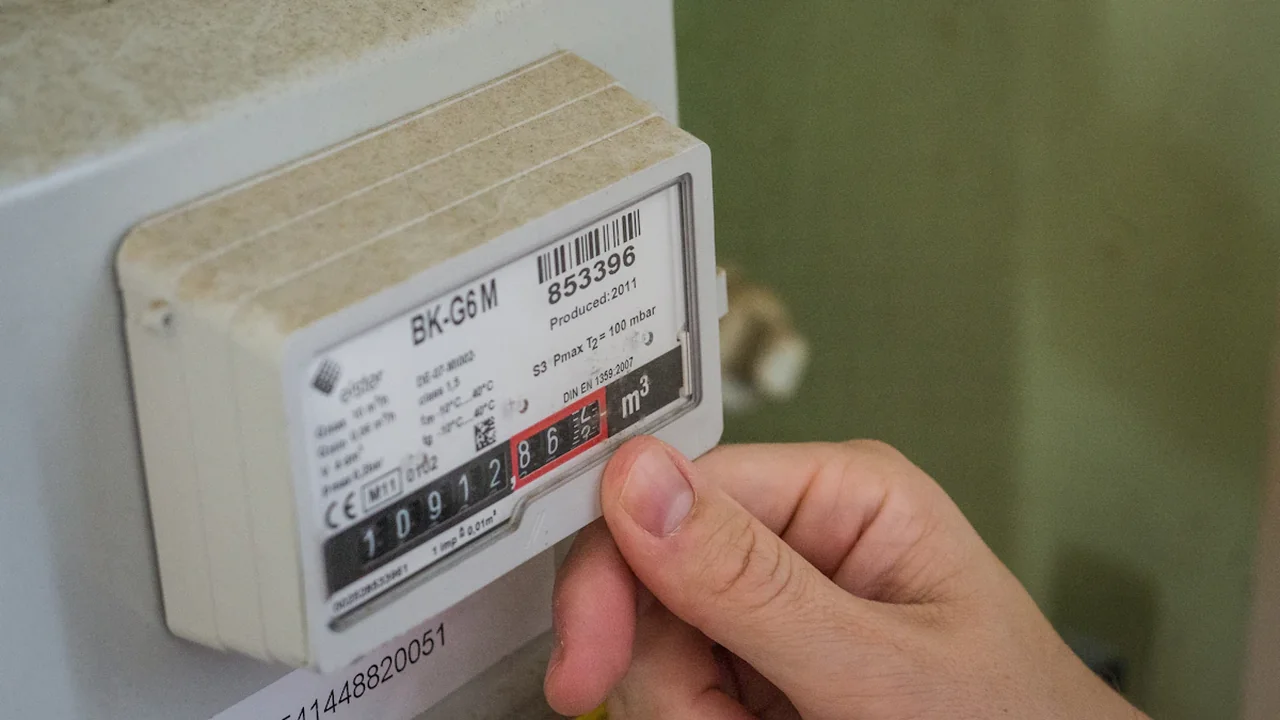
UK households preparing for the autumn energy price-cap period should first identify their tariff and compare the rates in their supplier’s personalised notice. The cap affects covered default and standard variable tariffs, but it does not impose a maximum total bill or directly reset an existing fixed deal.
The price cap does not limit your total bill
Ofgem’s energy price cap restricts the electricity and gas unit rates and standing charges that suppliers can apply to covered tariffs. A household’s actual bill still depends on how much energy it uses, where it lives, its meter arrangement and how it pays.
That distinction matters when budgeting. Any annual figure shown by a supplier or comparison service may illustrate typical consumption, but it is not a spending ceiling or a promise about an individual household’s bill.
Read also: Ofgem Energy Price Cap: What New Rates Mean for Your October Bills
Customers already on fixed tariffs should check their contract separately. Their agreed rates normally continue until the fixed term ends, unless the contract states otherwise; the cap does not automatically replace those rates when a new cap period begins.
Compare rates, charges and contract terms
Before staying on a variable tariff or accepting a fixed offer, check:
- Tariff name and type: Find these on a recent bill, online account or supplier app.
- Electricity unit rate: Compare the price per kilowatt-hour with the personalised rates offered to you.
- Gas unit rate: Review it separately because electricity and gas prices are not interchangeable.
- Standing charges: These daily charges apply even when little or no energy is used.
- Exit fees: A fixed tariff may charge for leaving before its end date.
- Contract dates: Note when a fixed deal begins, ends and whether any introductory terms expire.
Compare the whole package rather than one attractive rate. Switching does not automatically save money: the outcome depends on both fuels, standing charges, expected consumption, payment method, contract duration and possible exit costs.
Record an accurate reading when prices change
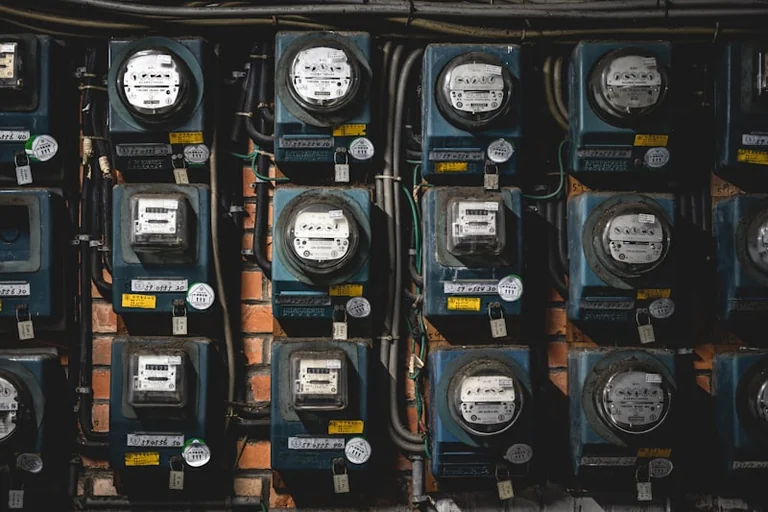
Submit meter readings close to the start of the new pricing period so the supplier can separate consumption under the old and new rates more accurately. Keep a dated photograph of manual meter displays as a personal record.
A smart meter may send readings automatically, but check the account to confirm that recent readings are being received. If bills continue to show estimated consumption, contact the supplier and provide an up-to-date reading.
Check Ofgem and your supplier before deciding
Use Ofgem’s energy price-cap page for the applicable cap period and official rates. Then compare that information with the personalised notice from your supplier, as rates can vary by region, payment method and meter setup.
Treat analyst forecasts as estimates until Ofgem publishes the applicable cap. The most useful final check is whether a proposed tariff’s unit rates, standing charges, fees and end date suit your own household energy use.
Source: Ofgem
Context & actions About this article
Source check Official price-cap information
Ofgem publishes the applicable cap periods and rates, while suppliers provide personalised tariff information.
- Confirmed that the cap applies to covered default tariffs.
- Distinguished capped rates from a maximum total household bill.
- Separated fixed-tariff contracts from price-capped variable tariffs.
- Excluded unannounced forecasts and obsolete illustrative bill figures.
- Source
- Ofgem energy price cap
- Scope
- United Kingdom
- Updated
- 2026-08-20 10:45
Source check
Report a trust issue
Send a clear signal to community moderation if the source, facts or context need review.




Comments