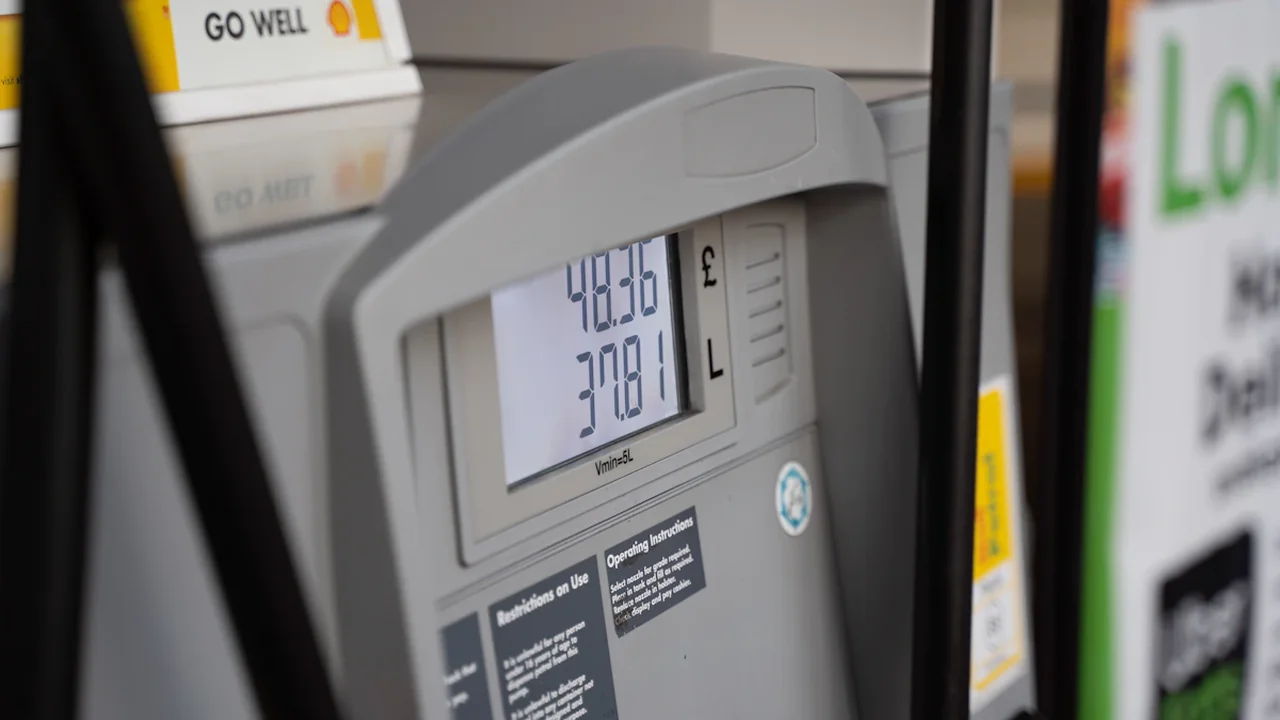
Every 1p-per-litre difference changes the cost of a 50-litre fill by 50p. Drivers planning a bank holiday journey before Monday should therefore compare nearby pump prices, then calculate their likely spending from the price they can actually buy—not from a national average alone.
By GlobeBids Money Desk
Published 30 August 2026
Use the newest UK average as a benchmark, not a quote
The UK Government’s Weekly road fuel prices publication provides dated UK average pump prices for petrol and diesel. It is a useful reference for judging whether a local price looks relatively high or low.
Read also: UK fuel prices: how each 1p changes your tank and commute
However, the confirmed information available here does not contain the latest publication date or numerical petrol and diesel entries. No current figure is quoted because estimating it—or copying an older value without its date—could mislead drivers.
Before relying on the official snapshot, open the newest release and record these details together:
- The publication date shown by the UK Government.
- The relevant fuel type, such as petrol or diesel.
- The stated UK average in pence per litre.
Preserving all three matters. A petrol figure should not be presented as diesel, while a value without its publication date can quickly lose context.
The published figures are national averages, not guaranteed prices at individual forecourts. Prices can differ between nearby stations, so the amount displayed on the pump remains the appropriate number for a household journey budget.
Calculate the fuel cost of your journey
For a vehicle rated in miles per imperial gallon, use this formula:
Litres required = journey miles ÷ mpg × 4.54609
Journey cost = litres required × pump price in pence ÷ 100
For example, consider a 120-mile journey in a car returning 45mpg, with an illustrative pump price of 142.9p per litre:
- 120 ÷ 45 × 4.54609 = 12.12 litres.
- 12.12 × 142.9 ÷ 100 = approximately £17.33.
That estimate covers fuel for the stated distance, not a complete tank. For a return trip, include both directions and any expected local driving. Real consumption may differ because of traffic, weather, vehicle load and the accuracy of the efficiency figure used.
Drivers whose handbook gives consumption in litres per 100km can calculate litres required by multiplying the journey distance in kilometres by that figure and dividing by 100. Multiply the result by the displayed price per litre to estimate the cost.
Check whether a cheaper station is genuinely cheaper
A lower sign price does not always produce a meaningful saving if reaching the station requires a special detour. Multiply the price difference by the litres you expect to buy, then compare that saving with the extra fuel used.
For example, saving 3p per litre on a 40-litre purchase saves £1.20. An illustrative six-mile detour in a 40mpg car, with fuel at £1.45 per litre, would consume roughly 99p of fuel. That leaves only about 21p before accounting for time or additional traffic.
Comparing stations already on or close to the planned route is usually more useful than chasing the lowest headline price across a wide area. Check that the quoted price applies to the fuel grade your vehicle requires.
Reduce bank holiday fuel spending safely
Several straightforward actions can improve the household estimate without encouraging risky driving:
- Combine errands so several necessary stops are covered in one planned journey.
- Check tyre pressures against the vehicle handbook or the manufacturer’s specified label.
- Remove unnecessary items from the boot, while retaining safety and emergency equipment.
- Use route and traffic information to avoid preventable extra mileage where practical.
- Buy the fuel grade specified for the vehicle; premium fuel does not benefit every car.
Before leaving, note the newest dated government average, compare convenient local stations and recalculate the trip using the displayed pump price. That final local check is what turns a national benchmark into a realistic bank holiday budget.
Source: UK Government
Context & actions About this article
Source check How to use the figures
The government averages provide national context, while journey estimates should use the relevant local pump price.
- Confirm the newest publication date before quoting an average.
- Keep petrol and diesel figures separate.
- Preserve the pence-per-litre unit.
- Use the displayed local pump price for the final journey calculation.
- Source
- UK Government — Weekly road fuel prices
- Scope
- United Kingdom
- Updated
- 2026-09-01 15:27
Source check
Report a trust issue
Send a clear signal to community moderation if the source, facts or context need review.

Comments