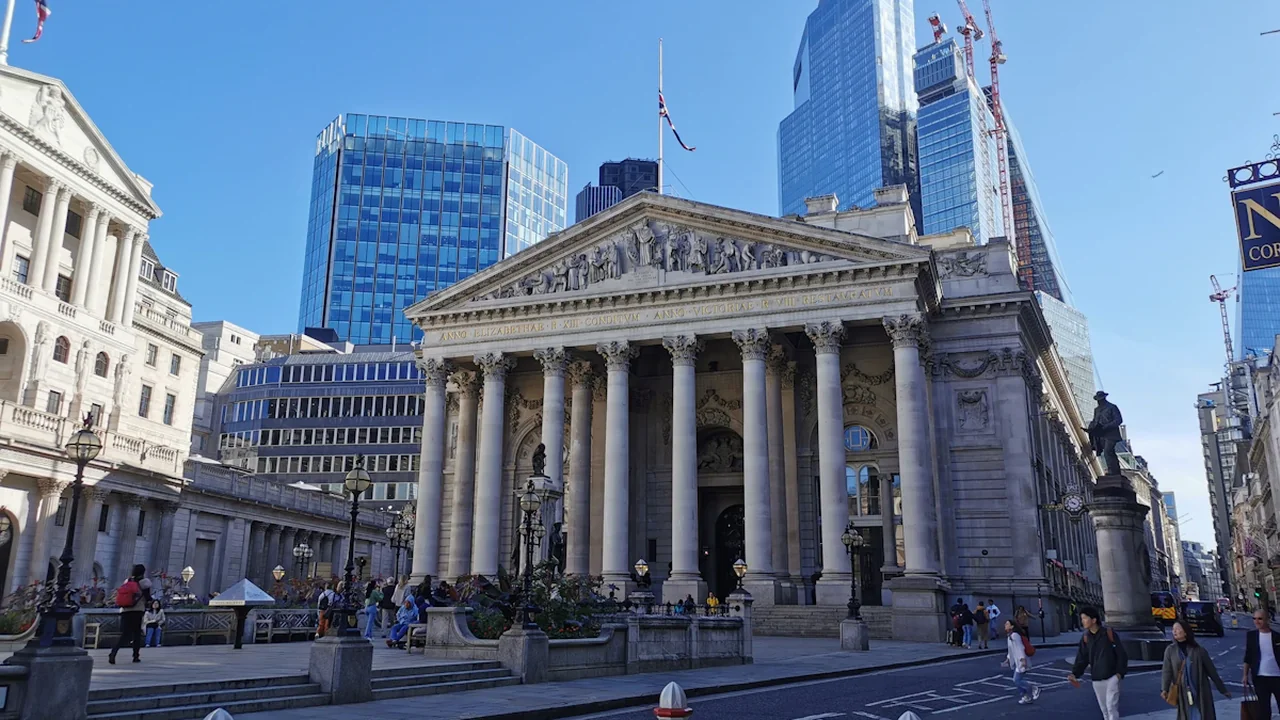
The Bank of England’s Monetary Policy Committee is scheduled to announce its next Bank Rate decision on 5 November 2026, a date that could matter to UK households weighing mortgage payments, remortgaging plans and savings returns. Bank Rate is the Bank of England’s official interest rate, and the committee publishes its decisions on scheduled announcement dates. The outcome will settle whether the rate is unchanged from immediately before the decision, but it will not automatically alter every mortgage or savings product on the same day.
For borrowers and savers, the practical question is less about a headline alone and more about the type of account or loan they hold. Tracker mortgages can move in line with Bank Rate under their individual terms, while fixed-rate mortgages normally stay unchanged until their deal ends. Savings providers may also adjust rates differently and on different timetables.
The November 2026 Bank Rate forecast at a glance
- Question: Will the Bank of England leave Bank Rate unchanged on 5 November 2026?
- Decision deadline: 5 November 2026.
- YES outcome: The announced Bank Rate is the same as the rate immediately before the decision.
- NO outcome: The Monetary Policy Committee raises or cuts Bank Rate.
- Deciding record: The Bank of England’s official monetary policy decision announcement for that date.
The Monetary Policy Committee is the Bank of England body responsible for setting monetary policy, including decisions on Bank Rate. Its announcement, rather than commentary, forecasts or subsequent lender notices, is the record that determines the outcome.
Why a Bank Rate hold could still matter to household budgets
An unchanged Bank Rate would mean the committee has kept its official rate at the level in place immediately before the November meeting. That does not mean household finances stand still. Mortgage lenders and savings providers set their own products, pricing and notice arrangements, often taking account of Bank Rate alongside funding costs, competition and their wider commercial decisions.
A hold can be important for someone whose existing deal is about to end. Lenders may continue to change the rates offered to new customers even when Bank Rate is unchanged. Those changes can reflect expectations for future monetary policy, market borrowing costs and the lender’s appetite for new business.
For savers, a hold may preserve the background against which providers price variable accounts, but it does not guarantee that a particular savings rate will remain available. An easy-access account, a notice account and a fixed-term bond can all respond differently.
Fixed-rate mortgages usually do not reset with each decision
A fixed-rate mortgage normally locks in an interest rate for an agreed period, such as two or five years. The monthly payment and interest rate generally remain as set during that fixed period, subject to the loan’s terms.
That means a Bank Rate hold, rise or cut on 5 November is unlikely to immediately change payments for most people already inside a fixed deal. The decision may still affect the rates available when they remortgage, switch lender or take out a new loan.
Tracker and variable mortgage terms deserve a close read
Tracker mortgages are commonly linked to Bank Rate plus or minus a stated margin. If Bank Rate changes, a tracker rate may change according to the mortgage agreement, though borrowers should check their provider’s terms, notification process and effective date.
Standard variable rates are different. A lender may choose whether and when to alter them, so a Bank Rate decision is influential but not an automatic one-for-one instruction. Borrowers should not assume their payment will move by the same number of percentage points as the official rate.
What a YES outcome would mean on 5 November
A YES outcome requires a straightforward comparison: the Bank Rate announced on 5 November 2026 must exactly match the Bank Rate in force immediately before the announcement. The size of the committee’s vote, the language in its statement and its outlook for inflation do not change that result.
The committee could signal concern about inflation, growth, employment or financial conditions while leaving the rate unchanged. Those details may help explain the decision and influence expectations for later meetings, but the forecast question concerns the announced rate alone.
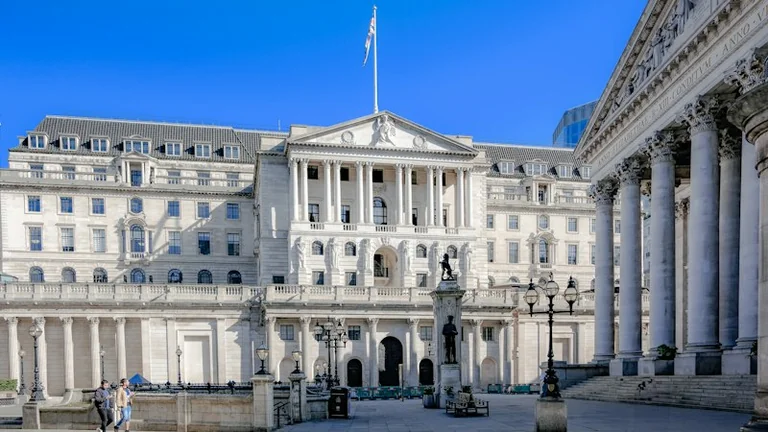
A hold could offer short-term clarity to households with tracker mortgages and variable savings accounts, although individual providers may still make separate changes. It could also give remortgaging households another data point while they compare available products, rather than a definitive guide to where fixed deals will go next.
What would produce a NO outcome
A NO outcome occurs if the Monetary Policy Committee changes Bank Rate in either direction on 5 November 2026. A rise of any size qualifies as NO, and a cut of any size also qualifies as NO.
If the committee raises Bank Rate, some tracker borrowers could face higher costs under their loan terms, while some variable-rate savings accounts could eventually offer higher returns. If it cuts Bank Rate, the direction of pressure may reverse. In both cases, the timing and size of any product change remain matters for each lender or savings provider.
The decision should not be treated as personal financial advice. A household considering a mortgage switch, early repayment, a new fixed deal or a savings transfer should compare the specific terms available, including fees, withdrawal restrictions, introductory rates and any penalties for leaving an existing product.
The official announcement is the only result that settles the question
The Bank of England explains that Bank Rate is its official interest rate and that Monetary Policy Committee decisions are published on scheduled announcement dates. On 5 November, the official decision announcement will state the Bank Rate set by the committee.
Only that announcement should be used to determine the result. News reports, market expectations, pre-decision speeches, lender emails and rate changes made by savings providers can provide useful context, but none can settle whether the committee held, raised or cut Bank Rate.
The comparison point is the rate immediately before the decision. For example, if Bank Rate is unchanged at the announcement, the result is YES even if lenders had already changed mortgage offers during the preceding weeks. Conversely, any official Bank Rate increase or reduction on the day produces NO, regardless of whether a lender passes it on immediately.
A practical checklist for mortgage holders and savers
The November decision is a useful moment to review personal products without assuming that one national rate determines every household outcome.
- Check whether your mortgage is fixed, tracker, discounted or standard variable.
- Read the rate-change clause and any lender notice explaining when a change takes effect.
- If your fixed deal ends soon, compare the full cost of available deals, not only the headline rate.
- Check whether a savings rate is variable, fixed for a term, introductory or subject to withdrawal conditions.
- Confirm directly with your lender or savings provider before changing products or making repayment decisions.
For households nearing the end of a fixed deal
The key dates may be the end of the current fixed period and the deadline for securing a new offer, not solely the November Bank Rate announcement. A borrower may be able to reserve a product before completion, but the rules, fees and flexibility vary by provider. Checking those details early can reduce the chance of making a rushed decision after a rate announcement.
For savers comparing accounts
A higher advertised return is only one part of the decision. Some accounts limit withdrawals, require a minimum balance or offer a bonus rate that ends after a defined period. Review the account summary and provider terms, then consider whether access to the money matters as much as the quoted rate.
The next date and result to follow
The next decisive update is the Bank of England’s 5 November 2026 Monetary Policy Committee announcement. It will show whether Bank Rate was held, raised or cut. After that, borrowers and savers should check their own provider’s communications and product terms to see whether, when and how the decision affects their individual rate.
Source: Bank of England
Context & actions About this article
Source check Decision record
The official Bank of England decision announcement will determine whether Bank Rate was unchanged.
- Compare the announced Bank Rate with the rate immediately before the decision.
- Treat an unchanged rate as YES.
- Treat any rate rise or cut as NO.
- Check mortgage and savings terms with the individual provider.
- Source
- Bank of England: Bank Rate
- Scope
- United Kingdom
- Updated
- 2026-09-13 10:16
Source check
Report a trust issue
Send a clear signal to community moderation if the source, facts or context need review.



Comments