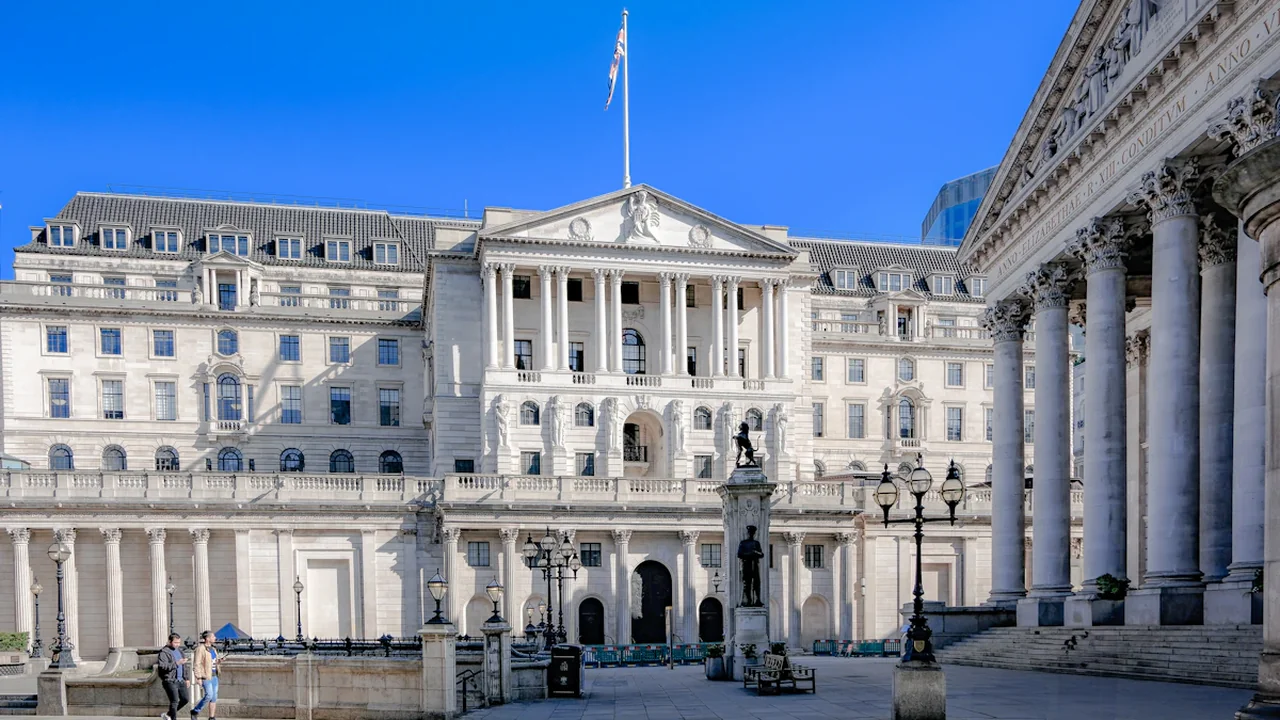
The Bank of England’s next scheduled Bank Rate decision is 17 December 2026, according to its published Monetary Policy Committee calendar. The decision will affect the benchmark that helps shape mortgage, savings and business borrowing costs. Whether the rate falls will depend on economic evidence available before then: the calendar confirms the date, but does not signal what the committee will decide.
The December forecast and its deadline
- Question: Will the Bank of England announce a lower Bank Rate on 17 December 2026?
- Deadline: The scheduled decision date is 17 December 2026.
- YES: The announced rate is below the rate in force immediately before the decision.
- NO: The announced rate is unchanged or higher.
- Resolution: The Bank’s published decision and Bank Rate information provide the public record. If the meeting is postponed or no decision is published that day, the forecast remains unresolved until an official announcement.
The Bank Rate is the UK’s official policy interest rate, set by the Monetary Policy Committee (MPC). The Bank’s rate page explains the role of the rate, while its calendar lists scheduled MPC meeting dates. Those pages establish what the decision is and when it is due; they do not establish whether a cut is likely. The forecast is tied to the rate in force immediately before the announcement, so the comparison is between two official rates rather than an estimate of how the decision may affect individual products.
Inflation and employment will shape the decision
The strongest evidence for the December meeting will be official data published between now and then. Inflation can show whether price pressures are easing toward the Bank’s target or remaining persistent. Labour-market releases can indicate whether employment and pay pressures are cooling or still contributing to inflation. These indicators help frame the outlook the MPC must assess, but none alone determines the decision.
The available source material for this forecast confirms the meeting date and the Bank Rate’s status as the official policy rate. It does not provide a current Bank Rate figure or dated headline inflation and labour-market results. Without those dated figures, describing a cut as expected—or stating that inflation or employment currently points in one direction—would go beyond the evidence supplied here. No current rate threshold or specific data trigger is established in the supplied information either.
Readers can check the latest official releases before treating the forecast as a view on the likely outcome. The useful questions are whether headline inflation is moving closer to target, whether pay and employment pressures are easing, and whether newer releases alter that picture before the MPC meets. A single release can shift the evidence available to the committee, but the decision reflects its assessment of the broader outlook and risks.
What could support a lower rate
A sustained easing in inflation, alongside evidence that wage growth and labour demand are moderating, could strengthen the case for a cut. The committee would still need to judge that lowering the rate would be consistent with bringing inflation sustainably back to target. The supplied material does not set a numerical threshold at which that judgement would change.
What could keep the rate unchanged or raise it
Persistent inflation or labour-market pressures could make a cut harder to justify. A fresh increase in price pressures, or evidence that inflation is likely to remain above target, could support holding the rate steady. The committee’s decision depends on its assessment of the full evidence, not one indicator alone.
Why the rate matters to households
Bank Rate is not the interest rate on every household’s mortgage or savings account. Its influence depends on the product and provider. A cut may feed through to some variable-rate borrowing and new lending, while fixed-rate mortgage deals can respond to market rates and lenders’ pricing. Savings rates can also move, though the timing and size of any change vary.
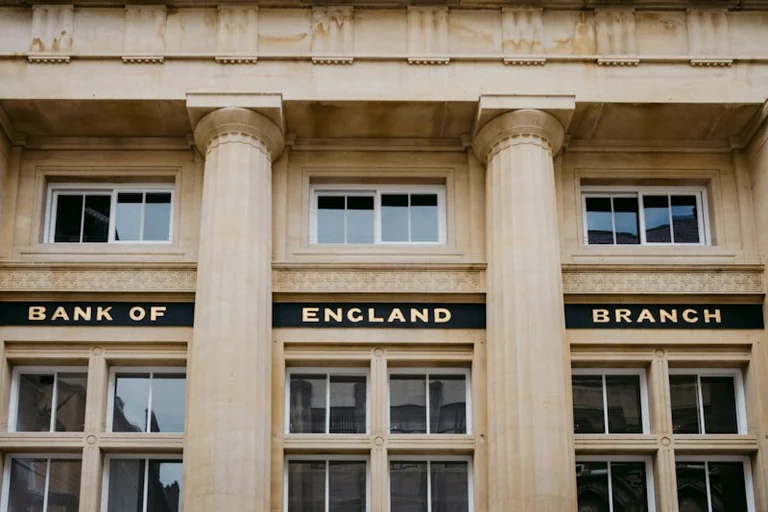
For borrowers, the practical question is whether a decision affects their own rate, when a change takes effect and whether their payment changes. People on a fixed-rate deal can check its end date and the terms for their next deal; a December decision would not automatically change a fixed payment already agreed. Savers can compare the rate and access terms on their account rather than assume that a Bank Rate move will be passed on in full.
Businesses may also face changes in financing costs, depending on loan terms and lenders. The policy rate is an important benchmark, not a promise that every household or company will see the same change. The effect on any one person therefore depends on their product and provider as well as the Bank’s decision.
How the forecast will be settled
The outcome is determined by the rate announced for the 17 December decision compared with the Bank Rate in force immediately beforehand. A lower announced rate is YES; an unchanged or higher rate is NO. The Bank’s public announcement, rather than forecasts or market commentary, settles the result.
If the scheduled decision is postponed, or the Bank publishes no rate decision on 17 December, the forecast remains unresolved pending an official announcement. This keeps a delay distinct from an unchanged-rate decision, which requires a published rate outcome to compare.
The next evidence to watch
The Bank’s current MPC calendar sets the scheduled date, while its Bank Rate page explains the policy rate. Before the meeting, the most useful checks are the latest official headline inflation release and labour-market figures, including pay and employment measures. Their publication dates matter: only information available before the decision forms the public evidence readers can assess going into it.
The next decisive update is the Bank’s published decision on 17 December 2026. Until then, the scheduled date and resolution rule are clear, while the direction of the decision remains open.
Source: Bank of England
Context & actions About this article
Source check How the forecast is resolved
The outcome is based on the Bank of England’s published decision and compares the announced rate with the rate in force immediately beforehand.
- Confirm the scheduled date on the Bank’s MPC calendar.
- Compare the announced rate with the rate in force before the decision.
- If no decision is published that day, leave the forecast unresolved pending an official an...
- Source
- Bank of England
- Scope
- United Kingdom
- Updated
- 2026-10-28 10:49
Source check
Report a trust issue
Send a clear signal to community moderation if the source, facts or context need review.



Comments