
On the night of 15–16 October 1987, a powerful storm struck southern England, bringing destructive winds and widespread damage. Its anniversary offers a way to understand how forecasting and public warnings have changed since then—and why no historical storm anniversary is a forecast for today’s weather.
The Met Office’s Great Storm case study provides a historical account of the event. The storm also became a lasting reference point in discussions about the limits of forecasting and how warning information reaches the public. Exact casualty and damage totals should be treated cautiously unless checked against authoritative records: the available source evidence here confirms the Met Office case study, but does not establish those figures.
What happened during the October 1987 storm
The Great Storm crossed southern England overnight, with severe winds toppling trees and damaging buildings and infrastructure. The timing mattered: many people were asleep, while fallen trees and debris created hazards for people travelling or responding to emergencies.
The event is often remembered through its physical aftermath, but its forecasting story is more complicated than a simple failure to predict a storm. Forecasting, public warnings and the way people interpret risk are separate parts of the process. A forecast can identify dangerous conditions without ensuring that every person understands the expected severity or knows what action to take.
Why forecasting and warnings became part of the story
The storm prompted scrutiny of how its severity had been forecast and communicated. That distinction is central to the lessons associated with 1987: a warning needs to describe a risk clearly enough for people and organisations to make decisions, and it must reach them in time to act.
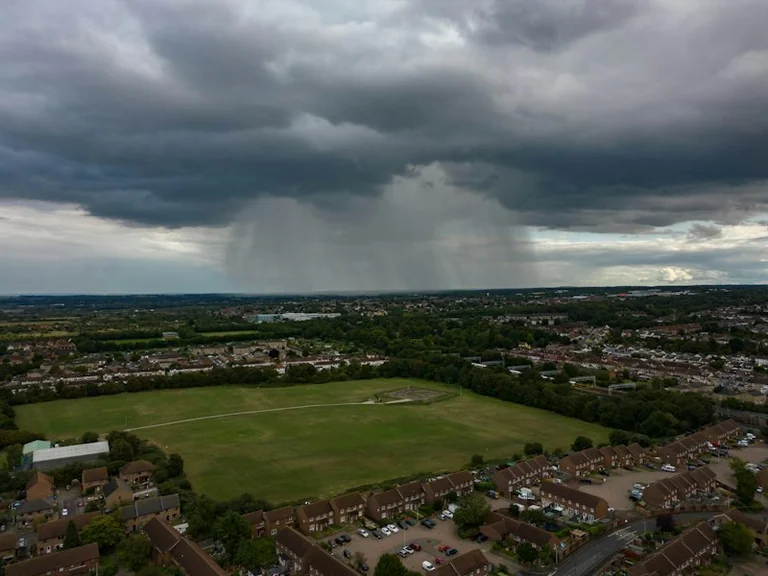
Weather warnings are not guarantees that a particular place will experience a specific impact. They communicate the possibility and potential severity of hazardous conditions across an area and period. Local effects can differ, and a warning’s practical value depends on whether its message is understood and acted on.
The Met Office has documented the storm as a historical case study. However, the source material provided does not itself document particular institutional reforms, warning-system changes or public-response measures that followed. It would be misleading to attribute a specific change to the storm without evidence tying the two together.
How UK weather warnings work today
Modern UK weather information combines forecasts with warnings designed to communicate potential impacts. The public can check current warnings through official Met Office channels and use local forecasts to understand the timing and conditions relevant to them. Emergency services and local authorities also use weather information when preparing for disruptive conditions.
The broad practical lesson remains that a warning is most useful when it leads to a clear decision. People can check whether a warning covers their area, read the expected impacts and follow advice from relevant public services. For travel, that may mean checking conditions before setting out; for a household, it may mean securing loose items or preparing for disruption when official guidance recommends it.
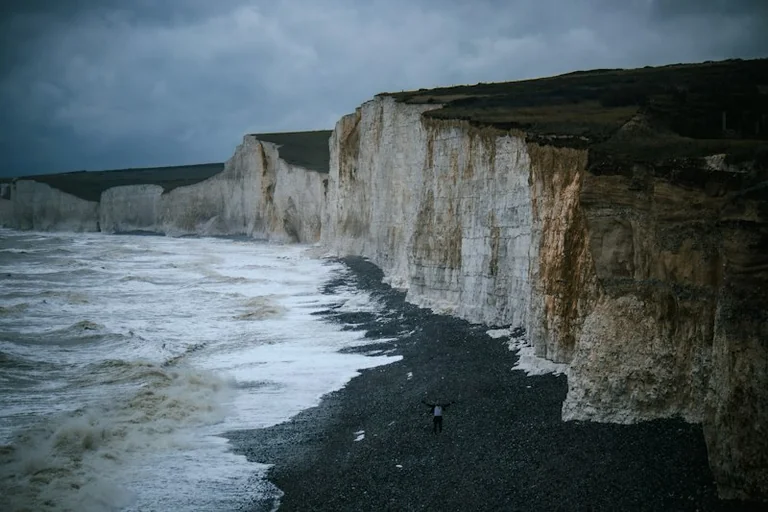
These current practices should not be presented as a direct, documented list of changes caused by the 1987 storm without supporting records. To establish that history more precisely, the Met Office case study would need to be read alongside authoritative material on the development of UK warning services and any official reviews of the storm.
What the 1987 anniversary can—and cannot—tell us
The anniversary helps explain why forecasts, warnings and public response are often discussed together. It does not indicate that comparable weather is occurring now. Historical context can sharpen understanding of the risks severe weather poses, but current decisions should be based on current forecasts and warnings.
For readers revisiting the event, the most useful next check is the Met Office’s account alongside official records that substantiate casualty and damage totals and document warning-system developments. That evidence is needed to distinguish what happened during the storm from what changed afterward.
Source: Met Office
Context & actions About this article
Source check Historical context
The Met Office provides a historical case study of the October 1987 storm; figures and specific warning reforms need corroboration from authoritative records.
- Event date: 15–16 October 1987
- Geographic focus: southern England
- Casualty and damage totals require authoritative confirmation
- Specific post-storm warning changes require documented evidence
- Source
- Met Office
- Scope
- United Kingdom
- Updated
- 2026-10-16 08:19
Source check
Report a trust issue
Send a clear signal to community moderation if the source, facts or context need review.
Comments