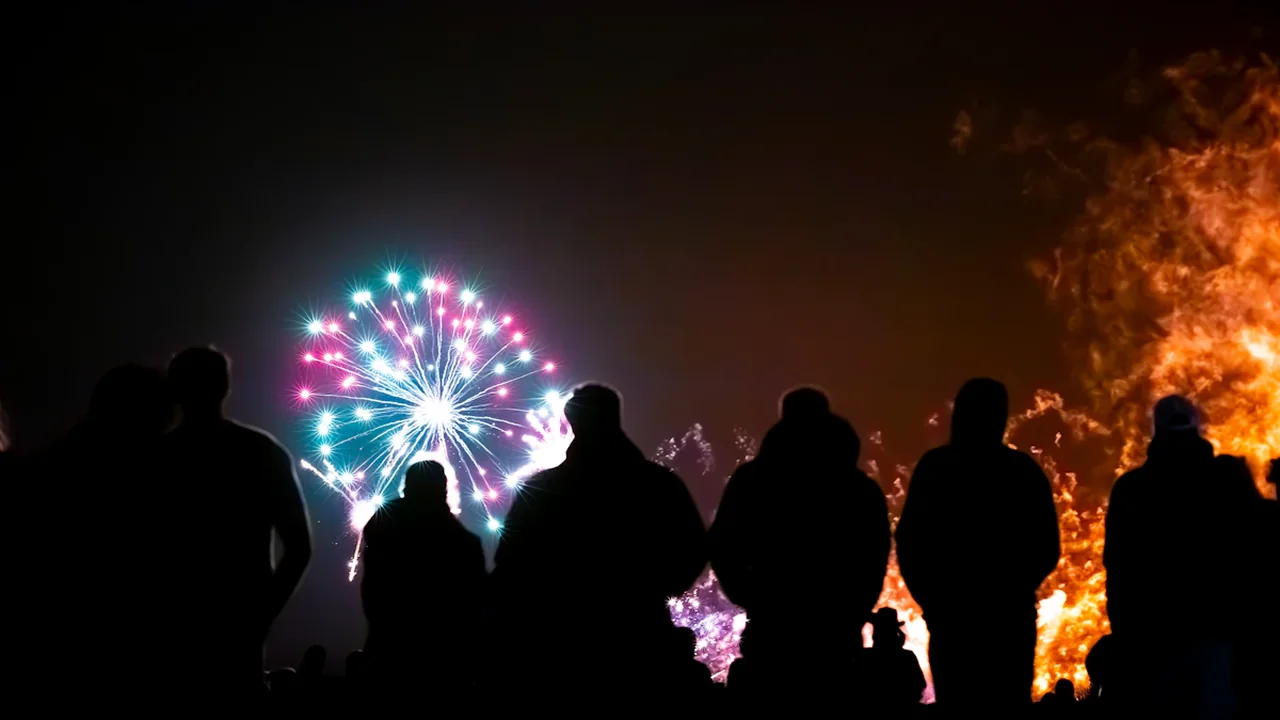
The Gunpowder Plot was discovered before it could blow up the House of Lords during the State Opening of Parliament in 1605. More than four centuries later, 5 November is still marked across Britain with bonfires and fireworks, though local events vary. The anniversary commemorates the failed conspiracy; the familiar celebrations developed over time. For this year’s plans, the date alone does not confirm what is happening locally: organisers publish event details separately.
1605: A plan to blow up Parliament
Guy Fawkes and other conspirators planned to destroy the House of Lords during the State Opening of Parliament. The plot was discovered before it could be carried out, according to the UK Parliament’s historical account. The intended target and occasion are central to understanding what the date commemorates: this was a plan directed at Parliament during a specific state ceremony.
The familiar name can make the story sound like a one-man plot. Fawkes is the figure most closely associated with it, but the conspiracy involved other people too. Keeping that distinction in view helps separate the documented event from the simplified version often attached to an annual celebration.
The historical account establishes the intended attack and its discovery. It does not make bonfires or fireworks part of the original plan. Those are customs associated with the anniversary that developed later.
Discovery prevented the planned explosion
The plot was uncovered before the planned explosion could take place. That is the key link between the 1605 events and the commemoration: 5 November looks back to a conspiracy discovered in advance, rather than an explosion at the State Opening.
This distinction also explains why the date has more than one layer of meaning. The historical reference is specific—the attempted destruction of the House of Lords and the discovery of the plot—while the ways people observe the anniversary have changed. The UK Parliament’s account provides the source context for the plot; the broad customs now associated with the date should not be mistaken for a complete description of that original event.
How the 5 November commemoration developed
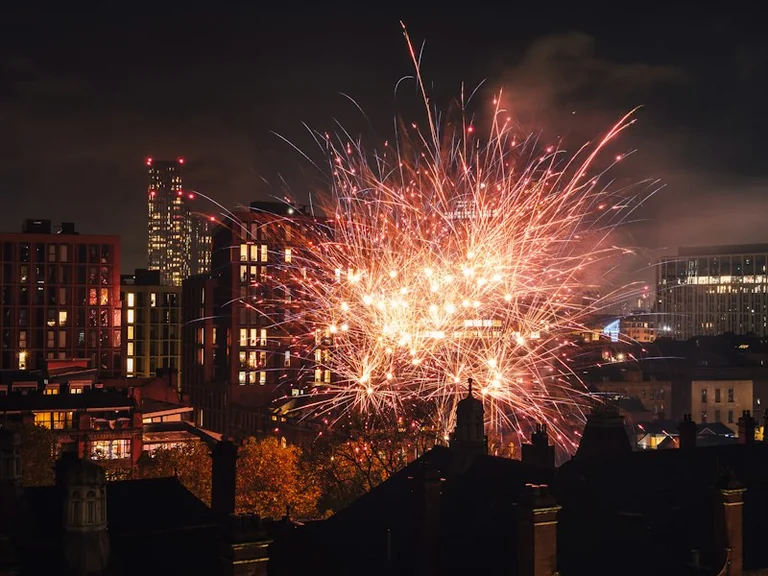
After the plot was discovered, 5 November became a recurring occasion for commemoration. Public observance changed over time, and bonfires and fireworks became customs linked to the anniversary. The supplied historical account confirms the conspiracy and its discovery; it does not establish that every modern feature was present from the beginning.
That separation matters when explaining Bonfire Night. A bonfire or fireworks display is a way communities mark the anniversary today, not evidence that the 1605 plot itself involved those celebrations. The date gives the customs their historical connection, while the customs give the anniversary a visible place in contemporary public life.
Bonfire Night today: check local arrangements
Bonfire Night is commonly associated with gatherings around 5 November, but the date does not mean every community holds an event on that day or offers the same kind of celebration. Some events may take place nearby in the calendar, and local arrangements can differ from year to year. A national tradition does not confirm a particular display, venue, schedule or entry arrangement.
If you plan to attend, check the current information from the specific event organiser before travelling. Confirm the event date and start time, location, entry or ticket requirements, accessibility information and any weather-related changes. Local council event pages and organiser announcements can help, but details should be verified for the event you intend to visit.
The next verifiable milestone for a local celebration is the organiser’s confirmed event information. The anniversary remains 5 November; the location, timing and arrangements for any particular gathering depend on what its organiser publishes.
Source: UK Parliament
Context & actions About this article
Source check Historical context
The UK Parliament account supports the core facts about the 1605 plot and its discovery; Bonfire Night customs developed later.
- The planned target was the House of Lords
- The plot was intended for the State Opening of Parliament
- The conspiracy was discovered before it was carried out
- Source
- UK Parliament
- Scope
- United Kingdom
- Updated
- 2026-10-28 10:38
Source check
Report a trust issue
Send a clear signal to community moderation if the source, facts or context need review.




Comments