By GlobeBids Editorial Team
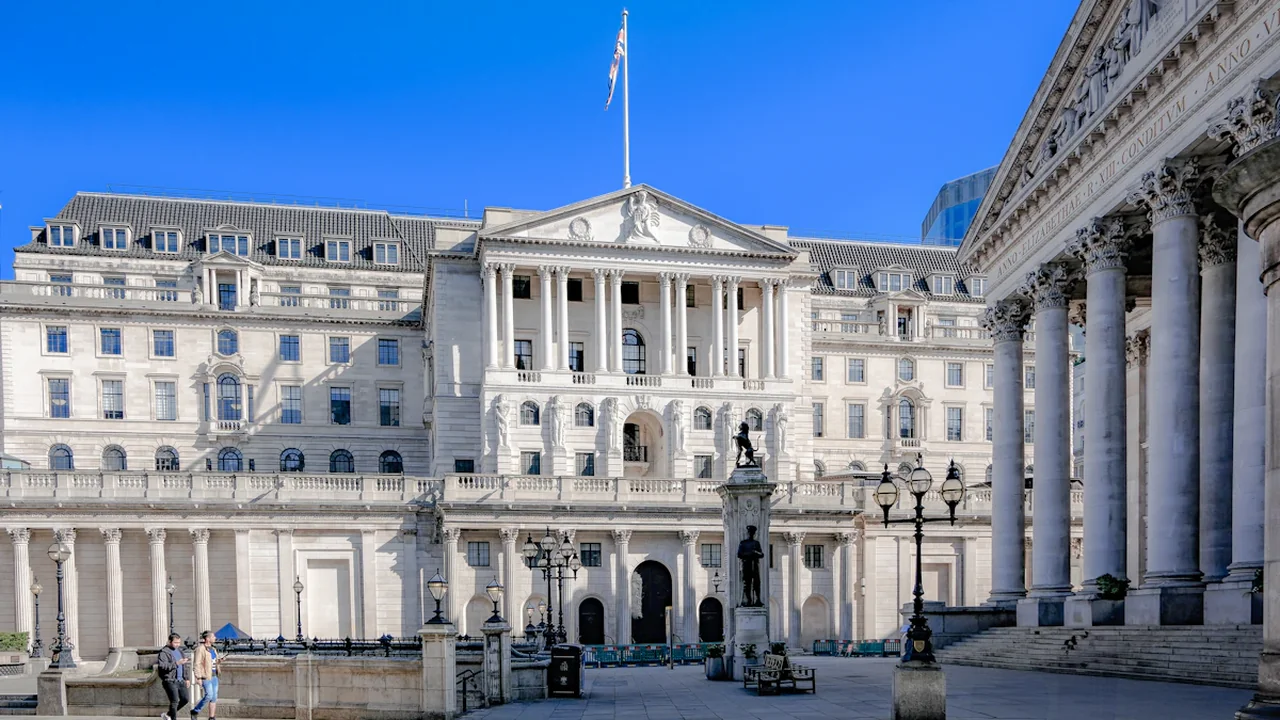
The Bank of England held Bank Rate at 3.75% on 17 September 2026, but three of its nine Monetary Policy Committee members wanted an increase to 4%. Its next scheduled announcement is 5 November 2026. That decision matters to households with mortgages and savings because a higher Bank Rate could influence what lenders charge borrowers and pay savers. It would not automatically change every account or mortgage rate.
Will Bank Rate rise on 5 November?
- Will the Bank of England set Bank Rate above 3.75% in its 5 November announcement?
- Deadline: The scheduled Monetary Policy Committee announcement on 5 November 2026.
- YES: The announced Bank Rate is above 3.75%.
- NO: The Bank holds Bank Rate at 3.75% or cuts it.
- Deciding result: The Bank of England’s published November decision, available through its Monetary Policy Committee dates page.
The question concerns the rate announced for that meeting, not whether mortgage or savings providers change their prices. A rise of any size above 3.75% would meet the YES condition. A decision to leave Bank Rate unchanged would meet the NO condition even if some lenders raised their own rates around the same time.
September’s 6–3 vote shows a divided committee
The Bank of England’s September monetary policy summary and minutes say the committee voted 6–3 to maintain Bank Rate at 3.75%. The three members who disagreed preferred an increase to 4%. That is the clearest public signal available from the latest decision: an increase had support, but a majority chose to hold.
The split gives readers a reason to consider a November rise. It does not establish how any member will vote at the next meeting. Each decision is made at the time, and the September result cannot be carried forward as a November result. The scheduled date makes the forecast testable; the vote itself leaves the outcome open.
A 6–3 hold can also be read in two directions. Three members had already reached the case for higher rates in September. Six had not. For a November increase, enough members would need to support a rise when the committee next decides. For a hold or cut, a majority would need to choose one of those outcomes instead. The published November announcement, rather than an earlier vote count or a forecast, will settle the question.
Why a rise remains possible, and why a hold could prevail
A Bank Rate increase would be consistent with the position taken by the three September dissenters, who preferred 4% at that meeting. Their votes show that the case for a rise was already part of the committee’s discussion. They do not show that the committee has agreed to raise rates in November.
The case against treating a rise as certain is equally direct: six members voted to keep Bank Rate at 3.75% in September. The next decision may again be a hold. A cut would also resolve the forecast as NO, although the September vote cited here provides no basis for claiming that one is planned.
Between decisions, public commentary and financial product pricing may shape expectations. Neither is a substitute for the committee’s announcement. A lender can change a mortgage offer or savings rate before November for its own reasons, while Bank Rate remains at 3.75%. Conversely, the Bank could raise Bank Rate without every provider immediately changing its products. Readers assessing the forecast should keep those separate decisions in view.
What higher Bank Rate could mean for mortgages
Bank Rate is a policy rate, not a single rate charged to every mortgage borrower. Its effect depends on the mortgage contract and on a lender’s pricing decisions. A borrower on a tracker tied to Bank Rate may see a change according to that tracker’s terms. Someone on a lender’s standard variable rate depends on what the lender decides to charge. A borrower partway through a fixed-rate deal would generally keep the agreed rate until that deal ends, subject to the contract.
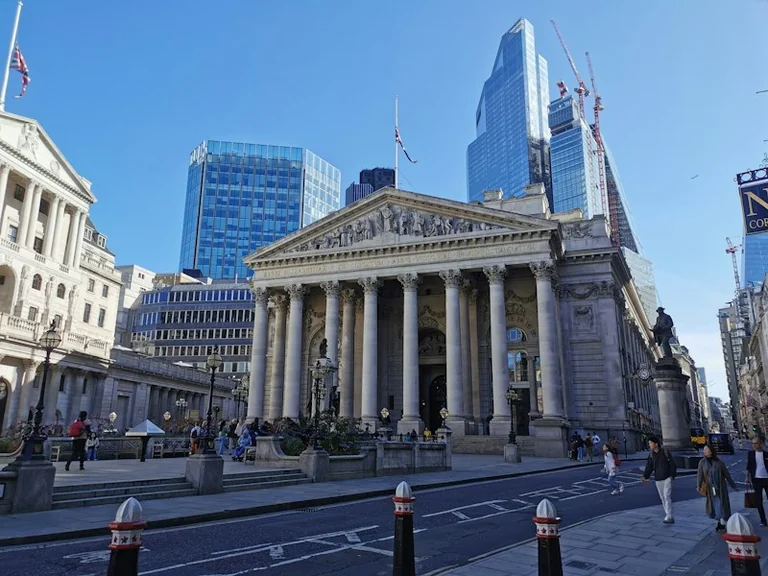
For a household approaching a remortgage, the rate available on a new deal can matter more than the immediate effect of one committee meeting. Lenders price fixed-rate products using several considerations, including their funding costs and expectations about future rates. A November rise could affect those calculations, but it would not give borrowers a reliable formula for the offer they will receive.
An example shows why the details matter. If a £200,000 interest-only balance became 0.25 percentage points more expensive and the full increase passed through, the extra interest would be £500 over a year, or about £41.67 a month. That is an illustration, not a forecast of the November decision or a typical mortgage bill. Repayment mortgages, different balances, fees and contract terms produce different figures.
Borrowers who want to understand their exposure can check whether their current rate is fixed, tracks Bank Rate, or is set by the lender. They can then look at the contract’s change terms and the date any fixed deal ends. Those facts are more useful for a household budget than assuming that every mortgage moves by the same amount as Bank Rate.
What savers could gain—and what is uncertain
A higher Bank Rate can create room for better savings returns, but a bank or building society decides what rate to offer on each account. An easy-access account with a variable rate may change after a policy decision; the size and timing of any change depend on the provider. A fixed-rate savings account normally keeps its agreed rate for its fixed term.
For scale, a 0.25 percentage point increase on £10,000 of savings would add £25 in gross interest over a full year if the provider passed through the whole increase and the balance stayed constant. An account that received only part of that increase would earn less. Fees, withdrawal conditions and tax treatment can also affect what an individual keeps.
Savers should therefore compare the rate and terms actually offered to them, not assume that a Bank Rate rise guarantees a matching increase. The same caution applies if the Bank holds: providers can still revise their savings products. The November policy decision will answer the forecast question, while each account’s terms will determine its practical effect.
The November announcement is the decisive check
The Bank of England lists 5 November 2026 as the next scheduled Monetary Policy Committee announcement. On that date, the published Bank Rate will provide a clear outcome for this forecast: above 3.75% means YES; 3.75% or lower means NO.
For households, the next useful step comes after that result. Mortgage borrowers can check their lender’s notice and contract terms; savers can check the rate shown for their account and compare available offers. Those product rates may move differently from Bank Rate, so the announcement answers whether policy rose, while provider information shows what changed for an individual household.
Source: Bank of England
Context & actions About this article
Source check How the forecast is decided
The Bank of England’s November announcement will decide whether Bank Rate rose above the September level of 3.75%.
- The Bank of England reported a 6–3 vote to hold Bank Rate at 3.75% on 17 September 2026.
- Three committee members preferred an increase to 4% in September.
- The next scheduled Monetary Policy Committee announcement is 5 November 2026.
- A November rate above 3.75% resolves YES; a hold or cut resolves NO.
- Source
- Bank of England monetary policy summary and minutes
- Scope
- United Kingdom
- Updated
- 2026-09-26 11:55
Source check
Report a trust issue
Send a clear signal to community moderation if the source, facts or context need review.


Comments