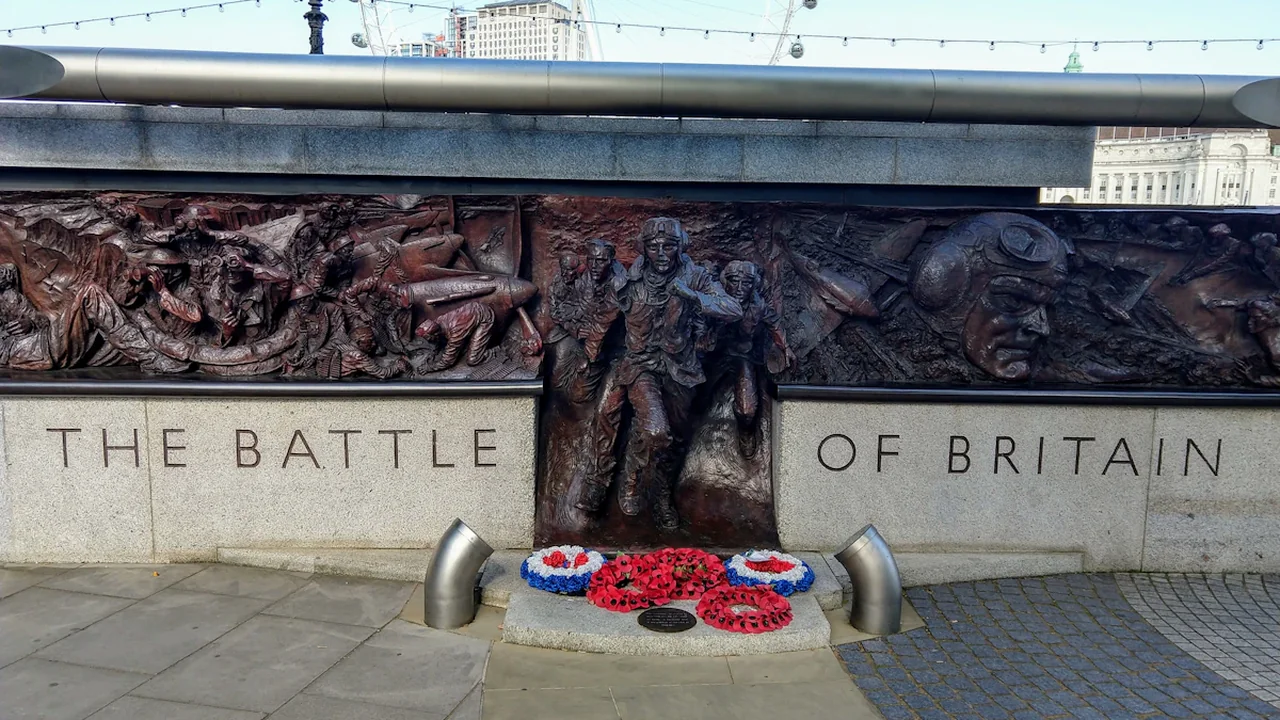
September 20 is not the formal anniversary of the Battle of Britain. It is better understood as a useful date for examining how the 1940 air campaign entered UK national memory, alongside the documented milestones of 15 September, known as Battle of Britain Day, and 31 October, commonly used as the campaign’s end date. The Royal Air Force’s defence of Britain, the civilian experience of the Blitz and later commemorations all form part of the story readers should keep in view.
The documented Battle of Britain timeline
The Battle of Britain was the air campaign fought between the German Luftwaffe and the Royal Air Force during the summer and autumn of 1940. It followed the fall of France and Germany’s attempt to gain the air superiority needed for a possible invasion of Britain.
The campaign is usually dated from 10 July to 31 October 1940. These dates are a historical framework rather than a single battlefield event. Fighting took place over the English Channel, southern England, London and other parts of the country, with the balance and objectives changing during the campaign.
Read also: UK clocks go back on 25 October 2026: why evenings get darker
A simplified timeline helps explain why no single September date can stand for the whole battle:
- 10 July 1940: The commonly accepted opening date of the Battle of Britain.
- August 1940: German attacks increasingly targeted RAF airfields, radar stations and aircraft production.
- 7 September 1940: The Luftwaffe began major daylight attacks on London, marking a significant shift towards the capital and other urban areas.
- 15 September 1940: Battle of Britain Day, remembered for a major daylight air battle and the continuing RAF defence against German raids.
- Late September 1940: The threat of an immediate German invasion receded as the Luftwaffe failed to secure air superiority.
- 31 October 1940: The date most often used to mark the end of the formal campaign.
The RAF’s achievement was not simply a matter of fighter pilots in the air. Britain’s defence depended on an integrated system involving radar, observation posts, command centres, airfields, ground crews, intelligence and aircraft production. The RAF Museum’s research collections help place the service within that wider institutional history, while Imperial War Museums provides broader Second World War context.
Why the RAF mattered beyond the fighter pilots
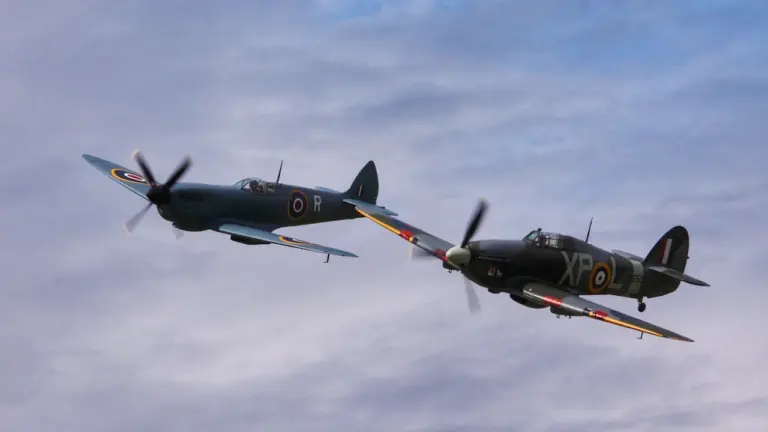
The Royal Air Force became the public face of the campaign, particularly through the pilots who flew Hurricanes, Spitfires and other aircraft. Yet the outcome depended on thousands of people whose work was less visible.
Fighter controllers directed aircraft towards incoming raids. Radar operators and observers supplied early warnings. Mechanics repaired damaged aircraft between sorties, while factory workers helped replace losses. Airfield staff, medical teams and transport workers also supported the tempo of the defence.
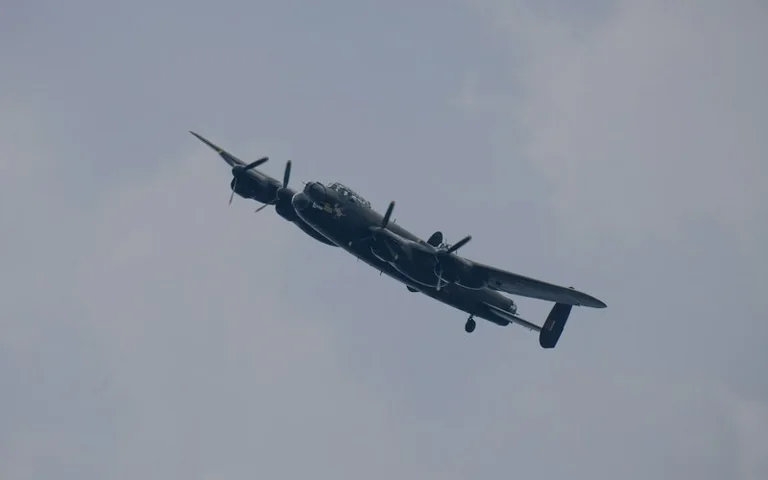
This wider view matters because the familiar national story can reduce the Battle of Britain to individual courage. Personal bravery was important, but Britain’s survival also reflected organisation, technology, logistics and decisions made across the defence system. The campaign was won through a network rather than by one group acting alone.
Civilian life during the Blitz
The Battle of Britain and the Blitz are closely connected, but they are not identical terms. The Battle of Britain refers primarily to the air campaign for control of the skies and the wider strategic struggle. The Blitz usually describes the sustained German bombing of British towns and cities, especially from September 1940 into 1941.
For civilians, the raids meant disrupted sleep, damaged homes, casualties, evacuation and the constant need to use shelters. London became the most recognisable symbol of the Blitz, but bombing affected cities and industrial areas across Britain. Civilian life also included fire-watching, air-raid precautions, emergency medical work and the management of food, transport and shelter.
The Blitz was not a background detail to the RAF’s campaign. It shaped public experience and later memory. People remembered not only aircraft battles but also sirens, blackout curtains, ruined streets, communal shelters and the effort to maintain ordinary routines under attack.
September 20 and the making of national memory
A September 20 anniversary framing can therefore mislead if it suggests that the Battle of Britain formally began or ended on that date. The more accurate approach is to use September 20 as a point for discussing remembrance while identifying 15 September and 31 October as the key established dates in the campaign’s public timeline.
Later commemorations often presented the battle as a clear national test in which Britain stood alone and emerged undefeated. That interpretation contains important truths, including the RAF’s successful resistance to German air superiority. It can also simplify a complicated international and imperial war, overlook the contribution of non-British personnel and allied airmen, and blur distinctions between the campaign and the Blitz.
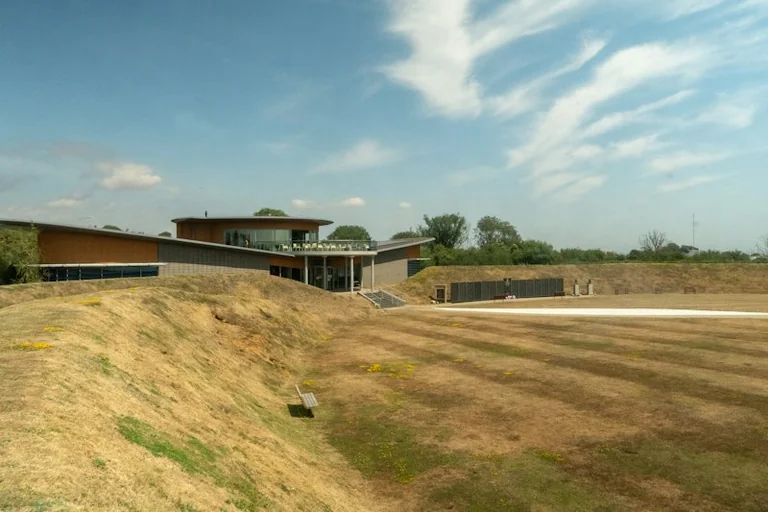
Historical writing should hold both elements together. The Battle of Britain was a real military campaign with identifiable dates, technologies, targets and institutions. It was also transformed into a powerful national story through memorials, anniversaries, museums, television, school lessons and political language.
What the archives add
The Imperial War Museums and RAF Museum are valuable because their collections connect public memory with surviving evidence: aircraft, photographs, oral histories, official records, personal objects and research materials. These sources show how the campaign was experienced at different levels, from operations rooms and airfields to homes and shelters.
They also encourage caution. A famous phrase or anniversary custom is not automatically evidence of how every person experienced 1940. Archival material can reveal disagreement, fear, exhaustion and uncertainty alongside the resilience usually emphasised in commemorations.
The next dates to use when checking the story
Readers revisiting the subject should begin with the established campaign window of 10 July–31 October 1940, then use 15 September to examine Battle of Britain Day and the intensification of public remembrance. The next useful check is 31 October, the conventional end date for the campaign, before moving into the distinct history of the Blitz and the later bombing war.
That sequence keeps September 20 in its proper place: not as a formal Battle of Britain anniversary, but as a timely date for asking how documented events became one of the defining stories of UK history.
Source: Imperial War Museums
Context & actions About this article
Source check Historical context
This article uses historical context from Imperial War Museums and RAF Museum research materials to distinguish campaign dates from later remembrance traditions.
- The Battle of Britain is commonly dated from 10 July to 31 October 1940.
- Battle of Britain Day is associated with 15 September 1940.
- The Blitz and the Battle of Britain are related but distinct historical terms.
- September 20 is treated here as a remembrance date, not a formal campaign anniversary.
- Source
- Imperial War Museums
- Scope
- United Kingdom
- Updated
- 2026-09-24 10:18
Source check
Report a trust issue
Send a clear signal to community moderation if the source, facts or context need review.


Comments