
By GlobeBids | 24 September 2026
The UK clocks go back on Sunday 25 October 2026. At 2am British Summer Time (BST), they return to 1am Greenwich Mean Time (GMT). The change gives people an extra hour by the clock that night, but sunset will appear about an hour earlier on the clock the following evening. Anyone arranging travel, an early shift or a timed device should check which time their plans use.
What happens when British Summer Time ends
British Summer Time puts UK clocks one hour ahead of Greenwich Mean Time during the warmer part of the year. In autumn, the UK returns to GMT. The UK government’s clock-change page gives the dates and times for the switch.
Read also: UK clocks go back on 25 October 2026: what changes at home
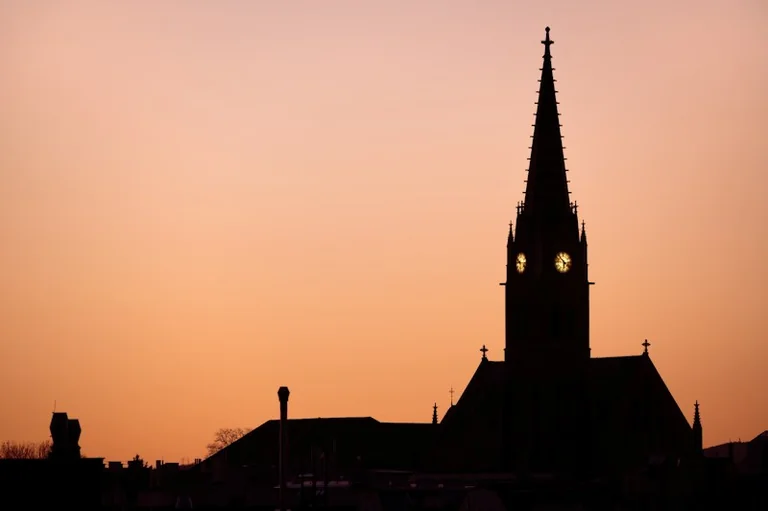
Moving the clocks back does not remove an hour of daylight. It changes where daylight falls on the clock: mornings become lighter by clock time, while evenings become darker by clock time. Autumn days are also getting shorter naturally, so the earlier-looking sunset arrives during a season when daylight is already declining.
The change is easiest to notice in a familiar routine. A journey home that began in daylight one Friday may begin closer to dusk the following week, even if the departure time has not changed. The shift can affect a school pickup, an outdoor exercise session or the point at which a driver needs headlights. The exact amount of daylight still depends on where someone lives and on the date.
Why Britain began changing its clocks
Britain introduced summer time during the First World War, after years of debate about making better use of daylight. The idea was to move an hour of usable light towards the evening during summer, when many people were awake and active. The UK Parliament’s history of British Summer Time traces the campaign associated with William Willett and the legislation introduced in 1916.
That history helps explain a common source of confusion: GMT is the UK’s standard time in winter, while BST is the summer adjustment. When clocks go back, Britain is ending that adjustment. The familiar phrase “an extra hour in bed” describes the repeated clock hour, not a longer day or an extra hour of daylight.
The original argument concerned how daylight lined up with daily activity. That question remains recognisable today, although work, school and travel patterns have changed. An earlier sunset on the clock matters differently to someone working from home, someone finishing a late shift and someone travelling across several time zones.
The repeated hour can affect travel and appointments
The autumn switch creates two clock readings between 1am and 2am: one during BST and one during GMT. That distinction matters most for overnight journeys, work shifts and appointments scheduled near the change. A booking that simply says “1:30am” may need more context than an appointment later on Sunday.
For trains, flights and other booked travel, use the time shown by the operator and check any message it sends about the change. International travel adds another detail: countries do not necessarily change clocks on the same date. A call or connection that usually has a familiar time difference may therefore fall at a different local time for a period.
For an ordinary Sunday plan, the practical effect is simpler. A meeting set for 10am UK time on 25 October takes place after the UK has returned to GMT. If people joining from abroad are involved, include the date and time zone in the invitation rather than relying on a remembered difference between countries.
Check the clocks that shape your routine
Phones and computers commonly update their displayed time automatically when their time-zone setting is correct. An alarm clock, oven, car dashboard or heating controller may need a manual change. A device can also show the wrong time if its automatic setting is switched off or its time zone is set incorrectly.
A short check on Saturday evening or Sunday morning can prevent avoidable confusion:
- Confirm that your phone or computer is set to the UK time zone if you expect it to show local UK time.
- Check manually set clocks, alarms and heating schedules.
- Review overnight bookings and shifts that fall near the repeated 1am hour.
- Look at the start time of any outdoor trip planned for late afternoon, when darkness will arrive earlier by the clock.
If an appointment depends on the exact changeover time, the UK government page is the place to check the date and rule. For everyday plans after the switch, the useful point to remember is that the UK will be on GMT and evening light will fall earlier on the clock.
Source: UK Government
Context & actions About this article
Source check Sources and context
The UK government explains the clock-change rule, while UK Parliament provides historical context for British Summer Time.
- Check the 2026 change date and time on the UK government’s clock-change page.
- Consult UK Parliament’s history of British Summer Time for its origins.
- Source
- UK Government: When do the clocks change?
- Scope
- United Kingdom
- Updated
- 2026-10-03 08:41
Source check
Report a trust issue
Send a clear signal to community moderation if the source, facts or context need review.




Comments