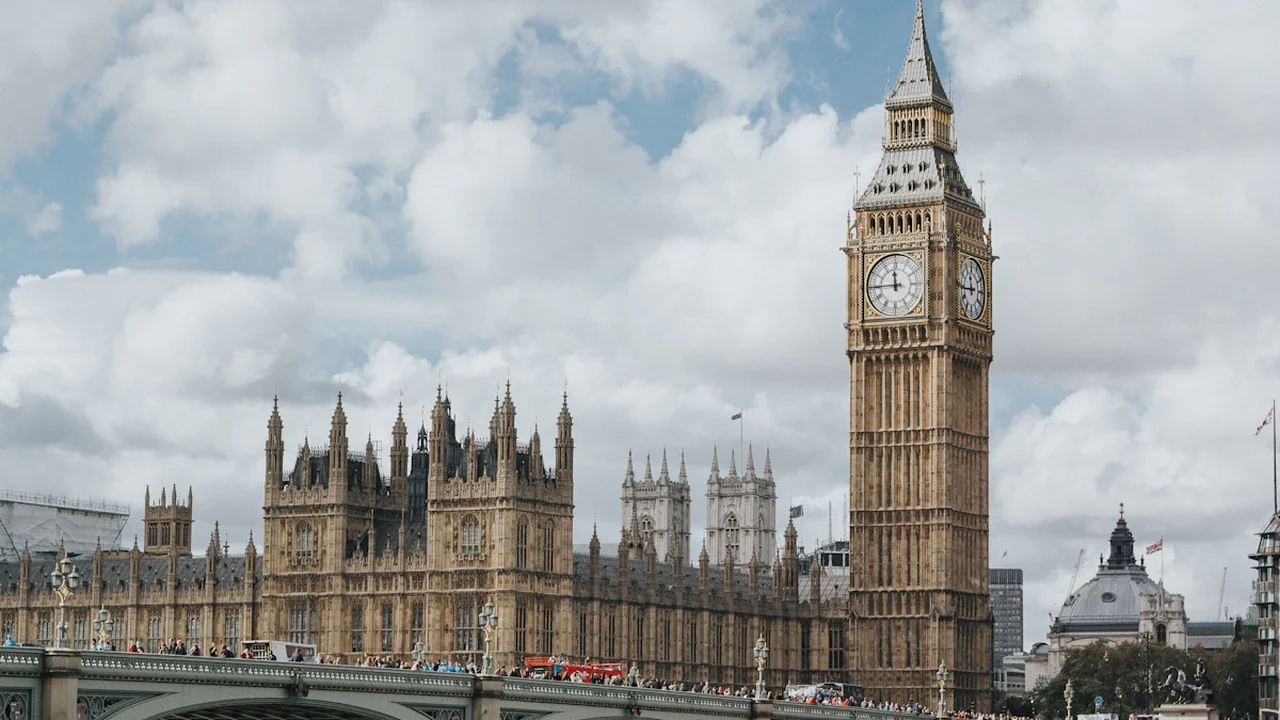
Across the UK, clocks go back by one hour at 2am on Sunday 25 October 2026, marking the end of British Summer Time for the year. The change affects people across the country: mornings will become lighter by the clock, while sunset will arrive earlier. The UK returns to Greenwich Mean Time (GMT), the standard time used during the winter months.
What changes at 2am on 25 October
At 2am, clocks are set back to 1am. The hour between 1am and 2am happens twice on the clock, so the night is one hour longer by civil time. Phones and other internet-connected devices usually change automatically; clocks that do not connect to a time service may need adjusting by hand.
The clock change alters the time shown on clocks, not the amount of daylight available. The sun continues its seasonal pattern: as autumn advances, daylight hours shorten. Moving back to GMT shifts the clock schedule so that sunrise and sunset are shown an hour earlier than they would be under British Summer Time.
How British Summer Time became a seasonal convention
The UK’s seasonal time arrangement developed through proposals, public debate and legislation over time. It should not be reduced to one inventor or a single motive. Ideas about changing clocks were discussed before the current legal framework, with supporters arguing that a seasonal adjustment could make better use of daylight during the longer days of the year.
The practice became part of everyday life through repeated changes between summer time and the standard time used in winter. That annual rhythm now shapes how people plan work, travel, school routines and evening activities. The October change is the point when the summer schedule ends and the country returns to GMT.
What the Summer Time Act 1972 provides
The Summer Time Act 1972 sets out the statutory basis relating to summer time in Great Britain. It provides the framework for the seasonal time arrangement, rather than serving as the whole history of how daylight-saving ideas emerged or were debated.
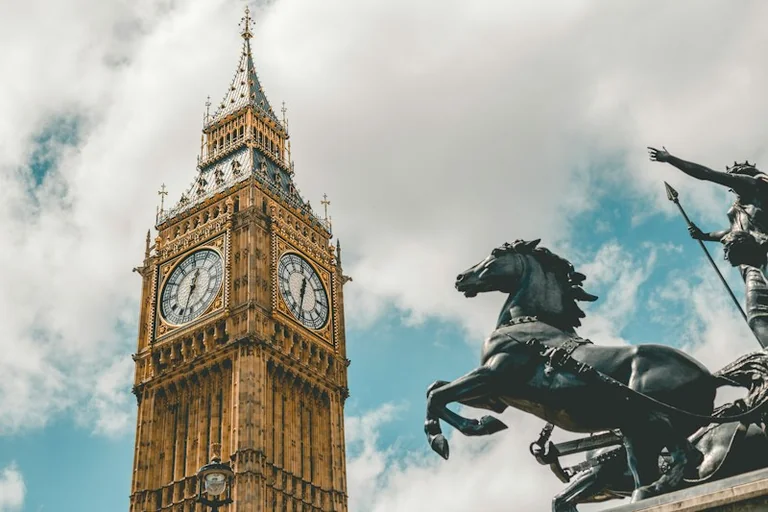
The arrangement has two familiar parts. During British Summer Time, clocks are one hour ahead of GMT. When British Summer Time ends, clocks go back one hour and the UK returns to GMT. The Government’s clock-change guidance gives the practical instruction for the seasonal transition; the Act is the legal foundation relating to summer time in Great Britain.
What the change means for daylight in daily life
For people following the same local clock, the immediate effect is straightforward: mornings appear lighter and evenings darker by the clock. An outdoor trip that ended at 6pm during British Summer Time, for example, may take place closer to dusk at 5pm after the change, depending on the date and location.
The extra clock hour overnight can affect schedules, especially for people working overnight or coordinating journeys and appointments. Since the hour from 1am to 2am repeats, it is useful to check which time a booking or work rota means if it falls during that period. Most everyday plans outside the repeated hour simply follow the new clock time.
The change also signals the return to the winter time convention. It does not add daylight to the day; it changes how daylight lines up with the hours people use for their routines. As winter approaches, shorter days continue regardless of the clock setting.
Source: legislation.gov.uk
Context & actions About this article
Source check Background
The account distinguishes the legal framework in Great Britain from the wider history of seasonal time and uses government guidance for the clock change.
- The Summer Time Act 1972 provides the statutory basis relating to summer time in Great Bri...
- UK Government guidance says clocks go back one hour when British Summer Time ends.
- The 2026 change is stated as 2am on Sunday 25 October.
- Source
- UK Government
- Scope
- United Kingdom
- Updated
- 2026-10-25 09:39
Source check
Report a trust issue
Send a clear signal to community moderation if the source, facts or context need review.



Comments