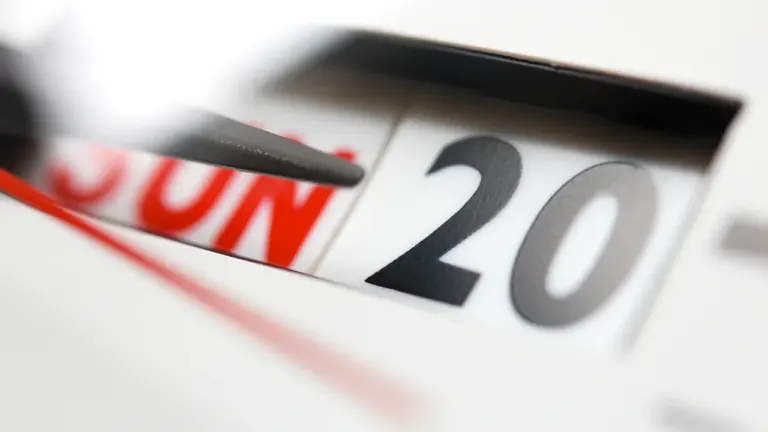
The UK moved from British Summer Time (BST) to Greenwich Mean Time (GMT) on Sunday 25 October 2026, putting clocks back by one hour. The change affects people across the UK, but its practical impact depends on work and travel schedules: check any clocks that did not update, allow for earlier evening darkness, and give yourself time to settle into the new routine.
The UK clock change took place on 25 October
At the autumn change, the clock moves back one hour as the UK switches from BST to GMT. The UK Government lists the official dates for the seasonal clock changes on its clock-change page.
Because this date has passed, the useful question now is whether your home, journey and daily schedule have caught up. The time change is UK-wide; the extra hour on the clock does not mean every person’s day will feel different in the same way.
Check clocks and devices that may need attention
Many connected devices, including smartphones and computers, usually adjust their time automatically when their settings and network connection allow it. Check the displayed time rather than assuming every device updated correctly, particularly if a device has automatic time settings switched off or has been disconnected.
Some clocks and appliances may need to be changed by hand. A quick check around the home can prevent small mix-ups with alarms, appointments and scheduled tasks.
- Compare the time on your phone with a reliable time display.
- Check wall clocks, watches, car displays and clocks on kitchen appliances.
- Review alarm settings and any appliance timers that rely on the displayed clock.
- If a device still shows the old time, look for its manual time or automatic-time setting.
If you share responsibility for getting someone else ready or travelling, check the clocks and alarms that person relies on too. A device may keep time correctly while its alarm or schedule still needs attention.
Rework your commute for darker evenings
The clock change shifts daylight earlier in the day and brings darkness earlier in the evening. What that means for your journey depends on when you travel and whether you walk, cycle, drive or use public transport. Check the conditions for your own route rather than assuming the same adjustment applies to everyone.
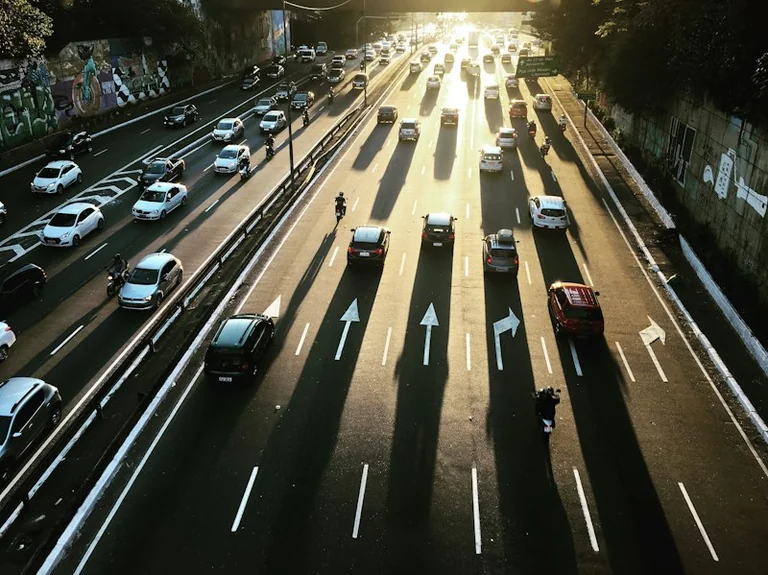
If you travel home near dusk, consider whether you will need more time to get ready or to reach a stop, station or car park. When walking or cycling, take care to be visible and look out for other road users as light fades. Drivers should take account of visibility and changing conditions on the route.
For a commute that begins early, morning light may arrive sooner by the clock. Even so, local weather, route conditions and your departure time matter. Check current travel information before setting off if your journey is affected by disruption or poor conditions.
Ease your sleep and daily routine into the new time
The clocks have changed, but your usual routine may take a little time to line up with the new clock. Keep your wake-up time, meals and evening plans consistent where practical, and adjust alarms or reminders that were set around the old schedule.
There is no single adjustment that suits everyone. Work patterns, caring responsibilities and travel can all affect how easy it is to keep a routine. If changing your schedule is difficult, make a small, practical adjustment that fits your commitments rather than trying to follow a rigid plan.
Check appointment times and shared calendars as well. Online services generally display the local time set by their systems, but confirming a booking or travel detail is sensible if you are unsure which time was intended.
A short checklist for the days after the change
- Confirm that phones, computers and other connected devices show the current time.
- Manually adjust any clocks or appliances that did not update.
- Check alarms, calendar entries and appliance timers.
- Allow for earlier darkness when planning an evening journey or walk.
- Keep daily routines practical and consistent as you settle into GMT.
- Refer to the UK Government’s clock-change page if you need to check the official seasonal dates again.
Source: UK Government
Context & actions About this article
Source check Date and routine check
The UK Government’s clock-change page provides the official seasonal dates; the routine suggestions are practical guidance that may vary by schedule and journey.
- Confirm the autumn change date on the UK Government page.
- Check device settings and clocks that may need manual adjustment.
- Consider the timing and light conditions of your own commute.
- Source
- UK Government
- Scope
- United Kingdom
- Updated
- 2026-10-27 10:34
Source check
Report a trust issue
Send a clear signal to community moderation if the source, facts or context need review.



Comments