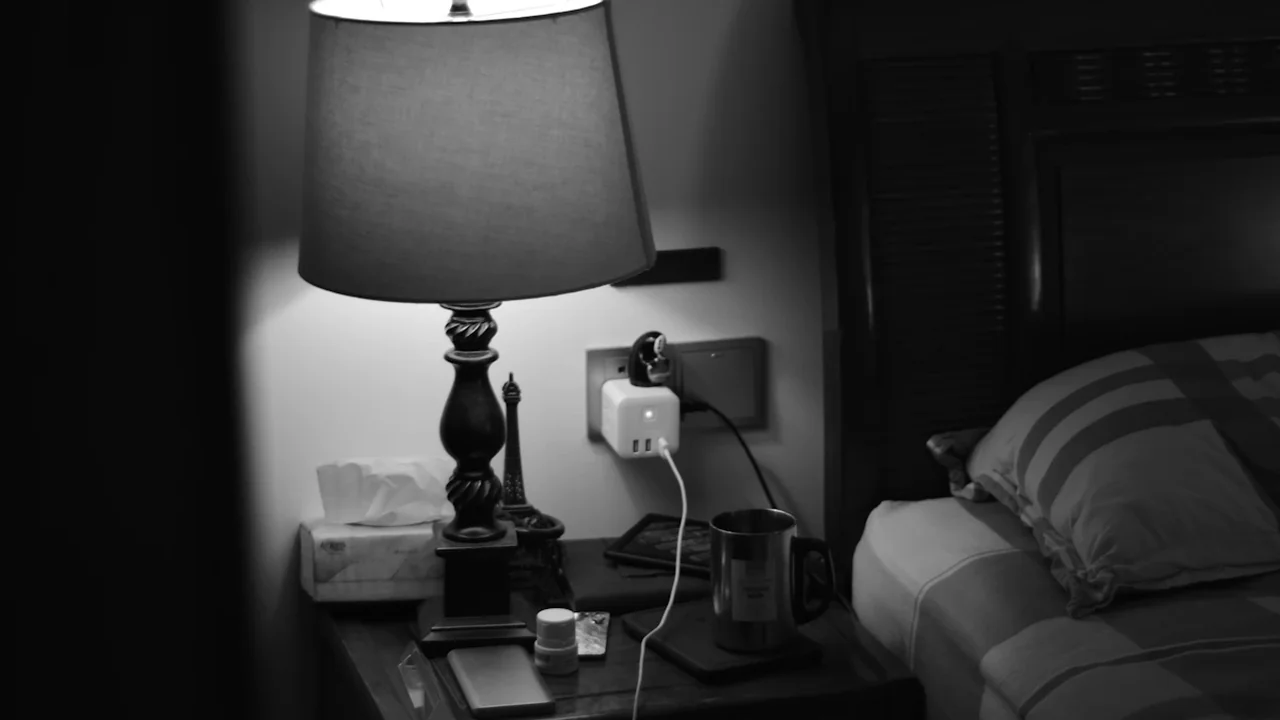
A phone can stretch the time between deciding to go to bed and actually settling down. A message invites a reply, a short video leads to another, or a routine check turns into 20 minutes of scrolling. If that sounds familiar, a seven-night test of notifications and charging location can help you see whether a small change makes winding down easier for you.
The aim is to observe your own routine, not to prove that your phone causes every difficult night. Stress, work schedules, caffeine, pain and other factors can affect sleep too. Keep the test simple enough that you can follow it on an ordinary week.
Why a quick phone check can delay bedtime
Content matters as much as the device. A lively group chat, work email or upsetting news story may leave you thinking about what to say or do next. Even enjoyable content can make it harder to stop when each item offers another reason to keep watching.
Notifications add interruptions. A sound, vibration or illuminated screen can pull your attention back just as you begin to relax. Habit plays a part as well: you may reach for the phone without receiving an alert, especially if checking it is already part of your bedtime routine.
Light is one possible influence, but it is not a complete explanation. In a 2015 laboratory study published in PNAS, researchers compared reading on a light-emitting e-reader with reading a printed book before bed and found differences in measures including melatonin timing and next-morning alertness. That study tested e-readers under controlled conditions; it cannot predict the effect of your particular phone routine. What you read, how long you stay engaged and why you pick up the phone are also worth considering.
Run a seven-night test you can actually compare
Choose a roughly consistent point when you intend to start winding down, such as 30 minutes before lights out. Each night, write down the time you begin that routine and the time you put the light out. The difference is your wind-down time. A note on paper works well because recording the result need not become another phone check.
Use the first two nights to see what normally happens. Then change one part of the routine at a time:
- Nights 1–2: Keep your usual notification and charging habits. Record wind-down time and a few words about interruptions.
- Nights 3–5: Silence nonessential alerts during your wind-down period. Keep your charging location the same.
- Nights 6–7: Keep those notification settings and charge the phone somewhere less tempting to reach, if practical. A spot across the room may be enough.
You can use a scheduled focus mode or change individual app settings. Consider muting shopping alerts, social media notifications and nonurgent group chats first. Keep any contacts or alerts you need for safety, caring or work on call. Check that the settings behave as expected before relying on them overnight.
Try to keep your intended bedtime and other evening habits reasonably similar across the week. You do not need a perfect experiment, but a major change in shift hours or caffeine intake will make the comparison harder to interpret. Add a brief note when something unusual happens.

Make the charging spot fit your life
Moving the charger can introduce a useful pause between the impulse to check and picking up the phone. It does not have to mean leaving the device outside the bedroom. Across the room, on a shelf or face down beyond arm’s reach may be more workable than beside your pillow.
Think through what you use your phone for at night. If it is your alarm, set it before winding down and make sure you can hear it from the new spot. If you use it for reading or audio, choose what you want in advance and turn off distracting alerts. The practical question is whether the setup makes unplanned checking less likely while still doing what you need.
For some people, keeping a phone close is necessary. If you care for someone, may receive an urgent call, use an accessibility feature or need the phone for personal safety, keep it where it must be. You can still test a narrower change, such as silencing one nonessential app or placing the screen face down while allowing important calls through. Do not use a setting you have not checked if missing an alert could matter.
Judge the result by your own evenings
At the end of the week, compare the notes rather than relying on how one night felt. Did you spend less time between starting your routine and lights out? Were there fewer unplanned checks? Did the new setup feel calmer, inconvenient or both?
For example, if your first two wind-down periods lasted 45 and 50 minutes, and most later nights took about 25 minutes, that is a useful signal to explore. It is not proof that the phone change caused the difference. Seven nights are a starting point, and ordinary variation can be large.
You may find that silencing alerts helps while moving the charger adds little. You may find that the problem is a particular type of content rather than notifications. Keep the part that fits your life and adjust the rest. If sleep difficulties persist or affect your daytime functioning, a healthcare professional can help you look beyond phone habits.
Tonight’s first step is simply to note when you begin winding down and when you turn out the light. That gives you a baseline before changing any settings.
Source: Editorial research
Context & actions About this article
Source check How to use this guide
This guide uses a simple bedtime log and draws on sleep research, including a controlled e-reader study, without assuming the same result for every phone user.
- Record the start of winding down and lights-out time each night.
- Note unusual interruptions or changes in your evening schedule.
- Keep essential safety and caring alerts available.
- Scope
- International
- Updated
- 2026-09-30 11:51
Source check
Report a trust issue
Send a clear signal to community moderation if the source, facts or context need review.




Comments