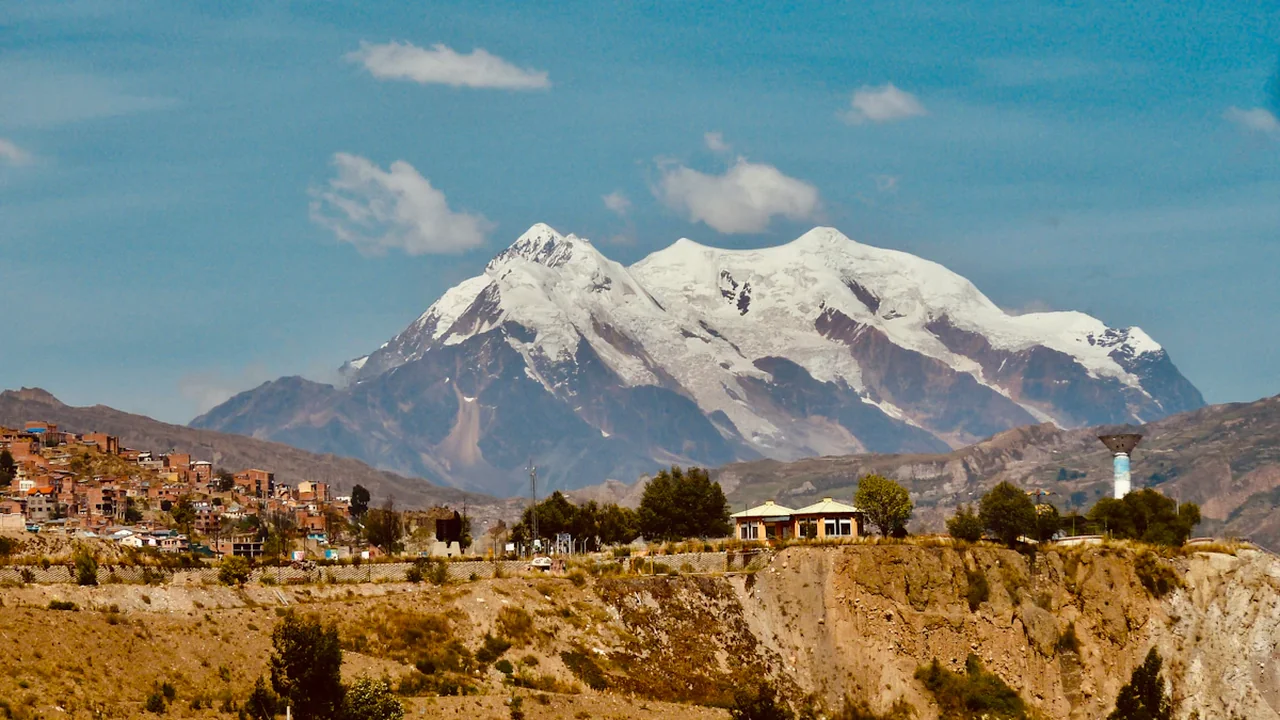
On 9 October 1967, Ernesto “Che” Guevara was executed in Bolivia, a day after Bolivian forces captured him following a military operation in the country’s southeast. The anniversary marks the end of his life as a revolutionary. The image that later made him a global symbol belongs to a different history, shaped by politics, publishing and popular culture.
Why Guevara was fighting in Bolivia
Guevara became internationally known through the Cuban Revolution, which brought Fidel Castro’s movement to power in 1959. He later left Cuba to support revolutionary movements elsewhere. Bolivia became the setting for an attempted guerrilla campaign intended to widen armed resistance in Latin America.
The campaign faced difficult conditions. Guevara’s group operated in a remote rural area, struggled to build support among local communities and was pursued by Bolivian forces. These circumstances help explain the military context of his capture, but do not establish every later claim about the operation or its political meaning. His international reputation did not guarantee local backing, and Bolivia’s role was that of a country with its own political and military history, not simply a stage for events in Guevara’s biography.
Capture and execution: the documented sequence
The established outline is brief: Bolivian forces captured Guevara in October 1967, and he was executed on 9 October while in government custody. Encyclopaedia Britannica records the capture and execution in Bolivia. The date is widely used to mark the end of his life, though accounts of the campaign also draw on later testimony and records that need to be considered in context.
- October 1967: Guevara was captured by Bolivian forces during the campaign.
- 9 October 1967: He was executed in Bolivia, while in government custody.
- After his death: News and images circulated internationally, helping turn a revolutionary commander into a figure of political and cultural symbolism.
This sequence distinguishes the central facts from questions requiring more detailed sourcing. Britannica confirms the month, country and outcome; it does not by itself settle every disputed detail about the decisions made by Bolivian authorities, the precise circumstances inside the place of detention or the handling of Guevara’s remains. Those details should not be treated as established solely on the basis of the date-led summary.
Bolivia’s place in the story
The campaign took place in a remote rural setting and involved Guevara’s guerrillas, Bolivian forces and nearby communities. Its course was shaped by the local conditions and by the group’s struggle to build support. Recalling the anniversary only through Guevara’s later fame can make the campaign seem inevitable or universally supported. It was neither: it was a specific armed effort in Bolivia that ended in capture and execution, with meanings that differed among Bolivians and observers abroad.
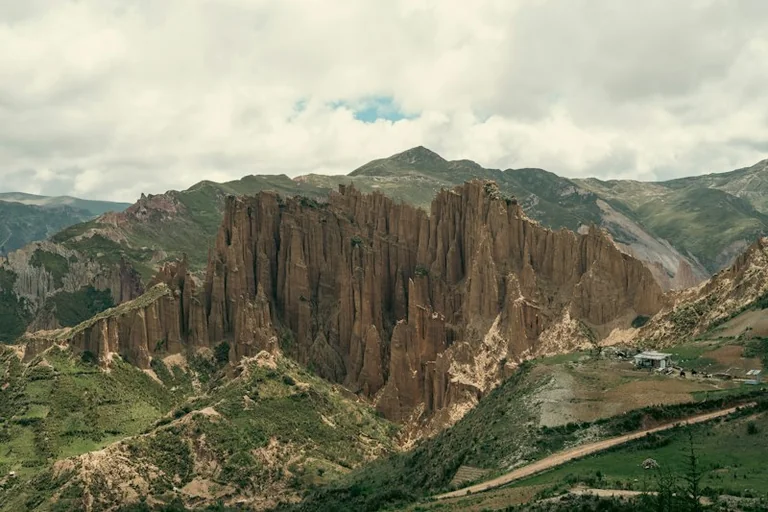
This local setting matters because the global story can obscure the people and place at its centre. Guevara’s international reputation may explain why the campaign attracted attention, but it should not be mistaken for evidence that his project had broad local support.
How an executed guerrilla became a global image
After Guevara’s death, photographs and reproductions carried his face far beyond the events of 1967. The image became an emblem used by movements and audiences with different aims. For some, it represents rebellion, anti-imperialism or revolutionary commitment. For others, it evokes the violence and coercion associated with armed revolutionary politics.
A portrait on a poster or shirt cannot explain why Guevara went to Bolivia, how the campaign unfolded or what Bolivians experienced. Nor does the image settle how his politics should be judged. Its broad circulation is part of the history, but the uses and meanings attached to it are interpretations rather than a single agreed account.
Why 9 October remains in cultural memory
The anniversary connects a specific event in Bolivia with the later global life of Guevara’s image. Remembering 9 October 1967 means recalling that he was captured and executed there, while recognizing that the symbol associated with him grew through later political and cultural use.
Encyclopaedia Britannica provides a concise reference for the date and the central sequence of capture and execution. A fuller account of disputed operational details would require more specific historical records. Keeping that distinction clear helps explain why Guevara remains influential and contested: the execution is a documented event, while the meanings attached to his portrait have changed across places and generations.
Source: Encyclopaedia Britannica
Context & actions About this article
Source check Source
Encyclopaedia Britannica records Guevara’s capture and execution in Bolivia in October 1967.
- Capture in Bolivia
- Execution in October 1967
- Distinction between documented events and later symbolism
- Source
- Encyclopaedia Britannica
- Scope
- Bolivia
- Updated
- 2026-10-09 09:02
Source check
Report a trust issue
Send a clear signal to community moderation if the source, facts or context need review.

Comments