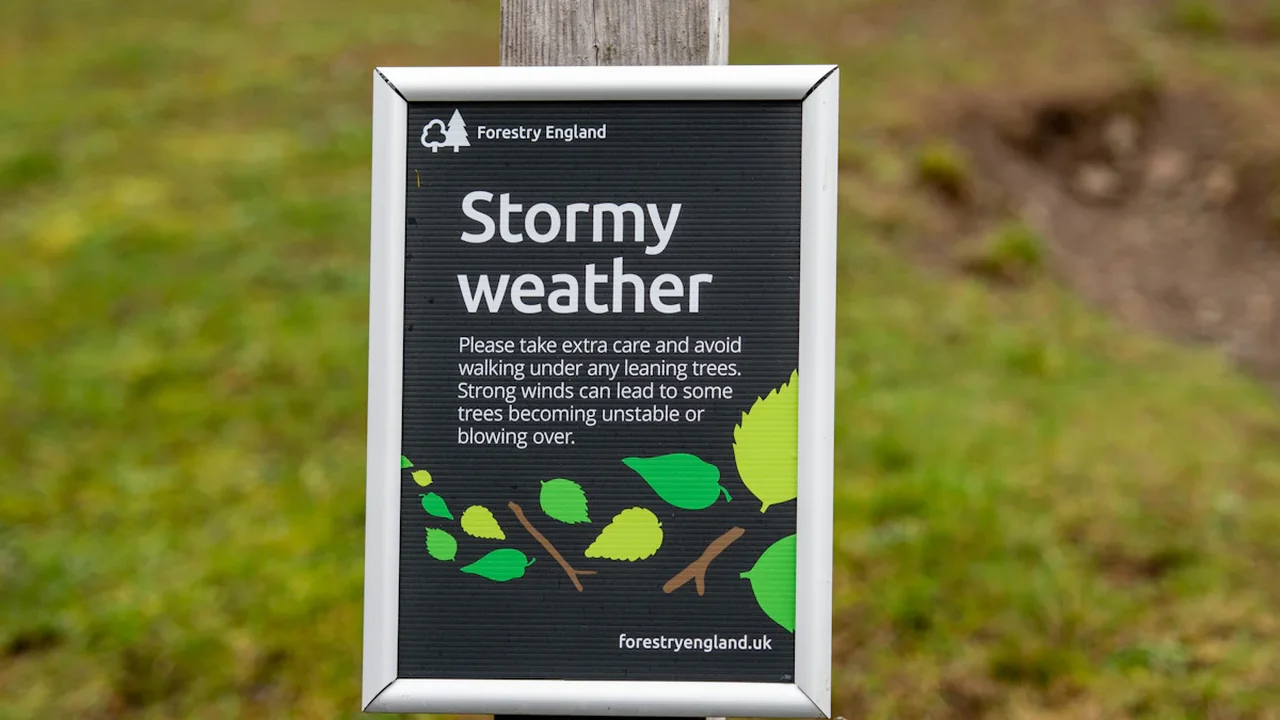
The Met Office’s official UK warnings page should be your first check before commuting, driving, walking children to school or starting outdoor work today. It shows warnings by hazard and location, while local forecasts provide the routine detail needed for decisions such as clothing, journey timing and whether plans can go ahead.
Because weather conditions and warnings can change, check the live warning map for your area before leaving. Do not assume that a warning applies nationally, or that a clear warning map means conditions will be comfortable everywhere.
What the Met Office warning map tells you
A weather warning highlights the possibility of impacts from a specified hazard, such as flooding or strong winds, in a defined area and time period. The warning level and affected locations are separate from the everyday forecast shown for a town or city.
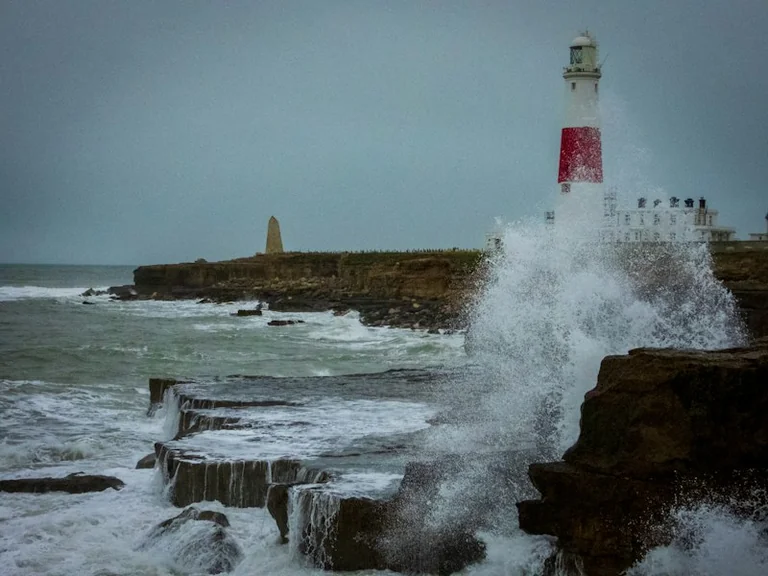
Use both services:
- Check the UK warnings page for active hazards, warning areas and timing.
- Open your local forecast for temperature, rain, wind and visibility.
- Recheck before travelling if conditions are changing or your journey lasts several hours.
Only the live Met Office map can confirm whether a particular county, town or route is included. This article does not assume that any named region is currently under warning.

Who should take extra care this morning
The same conditions can create different risks for different people. Commuters and drivers may face delays, reduced visibility, surface water or exposed routes. People walking children to school should allow extra time and avoid unsafe crossings or flooded paths.
Older people, young children and anyone with mobility, respiratory or other health vulnerabilities may need additional support in cold, wet or windy conditions. Outdoor workers should check whether equipment, scaffolding, temporary structures or exposed work areas need securing.
Practical checks before leaving home
- Check the warning map and your local Met Office forecast.
- Look for travel updates from your rail, bus, road or airport operator.
- Allow extra time and choose safer routes where flooding, fallen branches or strong winds may be possible.
- Carry suitable waterproof or warm clothing and make sure phones are charged.
- Secure loose garden items, bins and outdoor equipment if strong winds are forecast.
- Never drive or walk through floodwater when the depth or road surface is uncertain.
The next check that matters
The most useful decision point is your actual departure time. Revisit the Met Office warnings page and local forecast shortly before leaving, then follow emergency services or transport-operator advice if conditions worsen. The affected area, warning level and timing should be taken from the live Met Office information rather than from a general headline or yesterday’s forecast.
Source: Met Office
Context & actions About this article
Source check Official weather source
The Met Office publishes UK weather warnings and related advice by hazard and location.
- Check the live UK warning map
- Confirm the affected area and warning timing
- Compare the warning with your local forecast
- Follow transport and emergency-service advice
- Source
- Met Office
- Scope
- United Kingdom
- Updated
- 2026-09-21 09:29
Source check
Report a trust issue
Send a clear signal to community moderation if the source, facts or context need review.


Comments