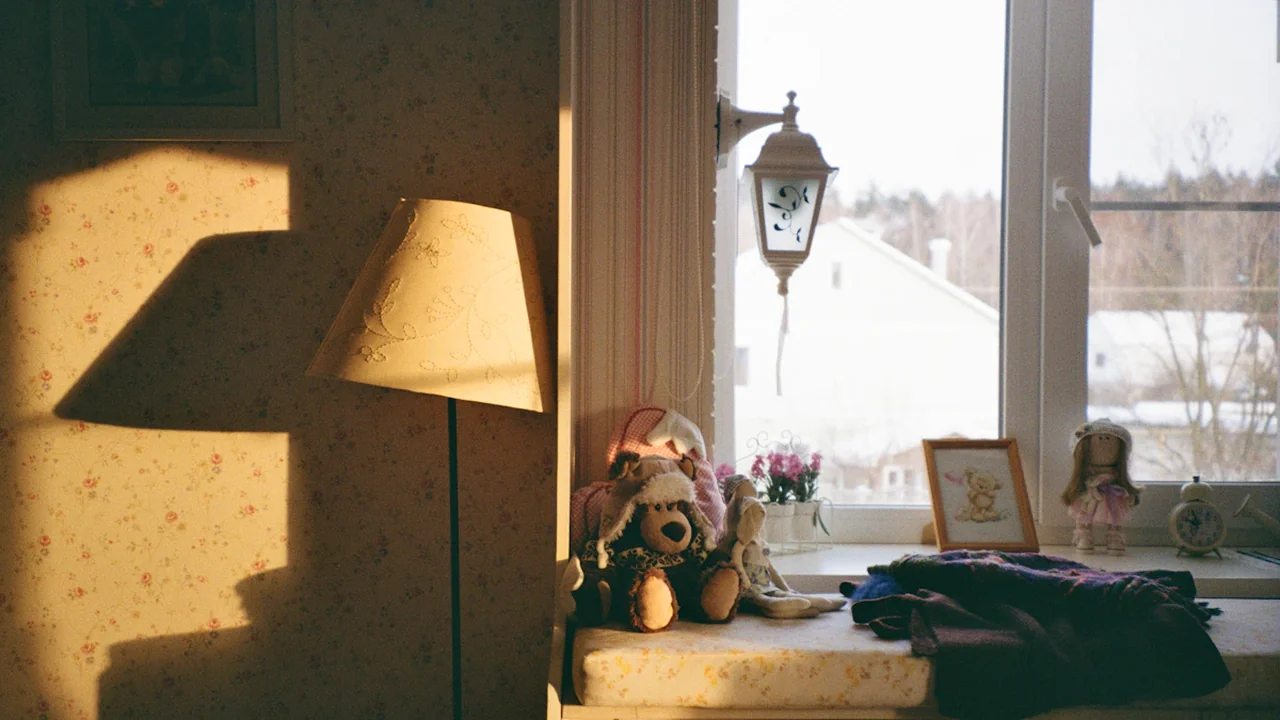
Dreaming about a former home can bring memories, relationships and feelings about change into focus. It does not have one universal meaning, and it cannot predict that you will return, reunite with someone or experience a particular event. Instead, the details you remember may offer a useful starting point for reflection on what that place means to you now.
An old house in a dream might be a childhood home, a rented flat or somewhere you lived during a turning point. The setting can feel vivid even when the dream’s events are strange. You do not have to decode it as a hidden message: noticing what stood out and how you felt can be enough.
Why a former home can feel so meaningful
A home is both a physical place and part of a person’s history. Rooms, routines and familiar objects can become linked with family life, independence, safety, conflict or other experiences. Remembering a particular house may therefore bring several periods of life to mind at once.
Researchers use the term autobiographical memory for memories of personal experiences. A remembered place can help organize those memories: a kitchen may bring back family routines, while a bedroom may recall privacy or adolescence. But the association is personal. The same room can feel comforting to one person and difficult to another.
People may also feel attached to places that shaped their routines or sense of belonging. That attachment can continue after moving away, even if the building has changed or is no longer accessible. A dream may revisit the remembered version of a place, which can differ from how it looks today.
A house can suggest the self, but it has no fixed meaning
Some cultural traditions and approaches to dream interpretation treat a house as a symbol of the self, family or inner life. These are interpretations, not established rules. There is no reliable universal dictionary that can tell you what an old house means simply from the image of a house.
If the symbolism feels useful, treat it as a question rather than a verdict. Did the house seem familiar or altered? Were you moving through it freely, searching for something, or trying to leave? Your own associations with the place matter more than a standard interpretation assigned to a room or building.
A dream can also combine memories with recent experiences, concerns and stray details. The house might matter because you have been thinking about your family, facing a move or remembering a past version of yourself. It might also be a setting your sleeping mind drew on without a clear message behind it.
The room and the feeling may offer more than the address
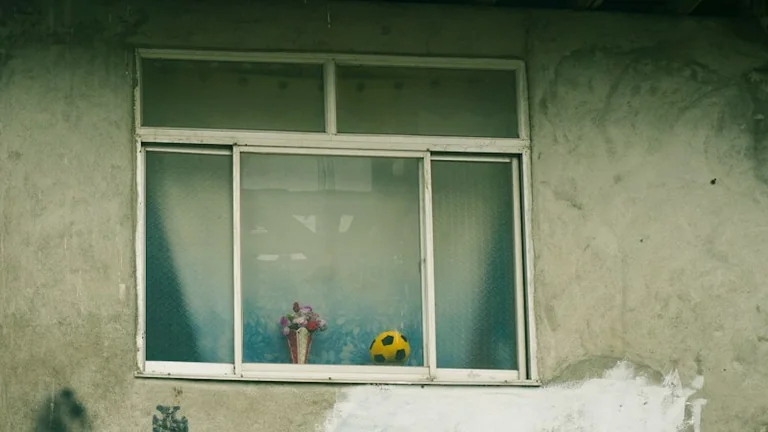
Try recalling the most specific detail you can: a hallway, a window, a staircase, a garden or an unfamiliar room. Ask what you associate with it, rather than assuming the dream has a predetermined meaning. A locked door, for example, is not automatically a sign that something is being withheld; it may simply be part of the dream’s scene.
The emotion can be just as telling as the setting. Did you feel welcome, uneasy, calm, lonely or relieved? A familiar home that felt strange might prompt you to think about how your relationship to that period has changed. A warm dream could bring comfort, but it does not promise that the past can be restored.
Use the dream to reflect on a current transition
A former home can make it easier to notice what has changed since you lived there. If you are starting a new job, moving, becoming a parent or adjusting to a change in family life, ask whether the dream’s emotions resemble anything you feel now. Similar feelings do not prove that the dream is a direct response to that transition; they can simply give you language for reflection.
A few prompts may help:
- Which room, object or moment stayed with you after waking?
- What period of your life do you connect with that place?
- How did you feel in the dream, and how did you feel when you woke up?
- Has something in your life recently brought up a similar feeling?
- Is there anything from that earlier period you want to carry forward, or leave behind?
Writing down a short description can help preserve details before they fade. You can note the place, the strongest emotion and any recent events that come to mind. There is no need to force an answer if no connection feels clear.
Keep dream interpretation open-ended
Dreams are personal experiences, and an image alone cannot establish what a person feels or what will happen. Two people who dream about the same kind of house may connect it with entirely different memories. Even your own associations can shift over time.
If a recurring or distressing dream is affecting your sleep or daily life, consider discussing it with a qualified health professional. For an occasional dream about an old home, reflection can remain simple: notice the place, name the feeling and consider whether it echoes a change in your life. The dream does not have to be a prediction or a puzzle with one correct solution.
Source: Sleepfoundation
Context & actions About this article
Source check Interpretation context
Dream symbols do not have universal meanings; this article treats an old home as a personal prompt for reflection, not a prediction.
- Consider your own memories and feelings about the place.
- Dream imagery alone cannot predict a reunion or future event.
- Source
- Sleep Foundation
- Scope
- International
- Updated
- 2026-10-19 07:52
Source check
Report a trust issue
Send a clear signal to community moderation if the source, facts or context need review.


Comments