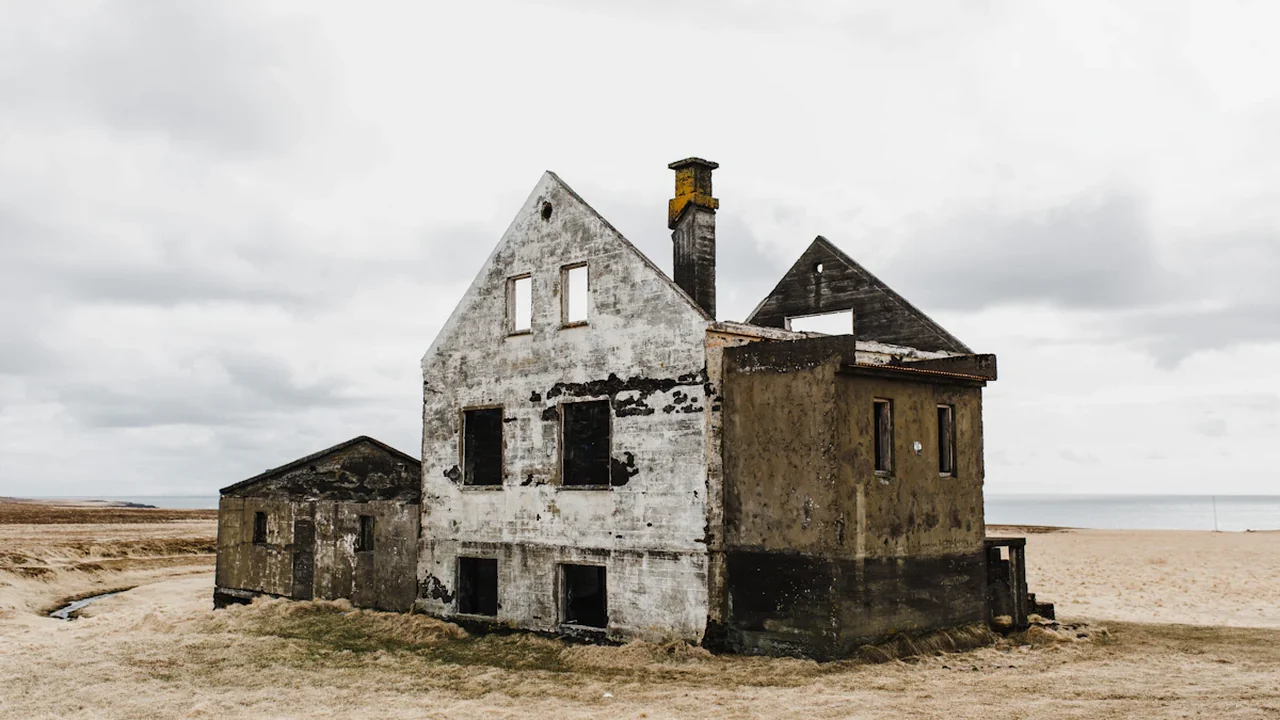
An old house in a dream is not automatically a warning. It may bring together memories, family history, identity and current change, with each room shaped by the dreamer’s own associations. The most useful starting point is not a universal symbol dictionary, but the house’s details, the people present and the strongest emotion left after waking.
Why an old house can feel emotionally familiar
Dreams often draw on places that carry emotional meaning. Sleep and memory research suggests that dreaming can incorporate fragments of recent experiences, older memories and emotionally important material, although no single theory explains every dream. A house is especially flexible because it can represent a real childhood setting, a family relationship or a period of life that still feels unfinished.
That does not mean the house has one fixed meaning. An old kitchen might remind one person of shared meals and safety, while another person associates it with arguments or responsibility. A narrow hallway may feel ordinary to one dreamer but unsettling to someone who remembers being kept out of certain rooms.
The age and condition of the building can also reflect the dream’s atmosphere without predicting the future. Peeling paint might suggest neglect, change or simply a remembered visual detail. A house under renovation may connect with a real transition, such as moving, changing work, becoming a parent or reconsidering a family role.
Rooms often connect with personal memories
Different rooms can make a dream feel unusually precise because they are linked to different activities, relationships and stages of life. Rather than assigning a universal meaning to each room, ask what that particular space means to you.
- A bedroom may bring up privacy, rest, illness, intimacy or childhood.
- A kitchen may connect with care, family routines, nourishment or conflict.
- A staircase may recall movement between parts of a home or changes in status and responsibility.
- An attic or basement may simply reflect storage, forgotten objects or a real place from memory.
- A locked room may represent something unknown, protected or emotionally difficult to approach.
The same room can change meaning from one dream to the next. A basement that once felt frightening might later feel like a place where you are searching for useful belongings. That shift may matter more than the room’s traditional symbolism.
The people and objects matter too
Notice who appears in the house and how they behave. A deceased relative, former friend or childhood version of yourself may represent a remembered relationship, a quality you associate with that person or a question connected with the past. Their presence does not prove that the dream carries a supernatural message.
Objects can work in a similar way. A family photograph, old coat, broken clock or missing key may be connected to a specific event or feeling. Write down the first personal association before looking for a broader interpretation. Your immediate response is often more informative than a generic list of dream meanings.
The house’s condition may mirror the dream’s emotional tone
Dreamers often remember whether an old house felt welcoming, abandoned, crowded, unstable or unexpectedly beautiful. These impressions can provide a practical route into reflection.
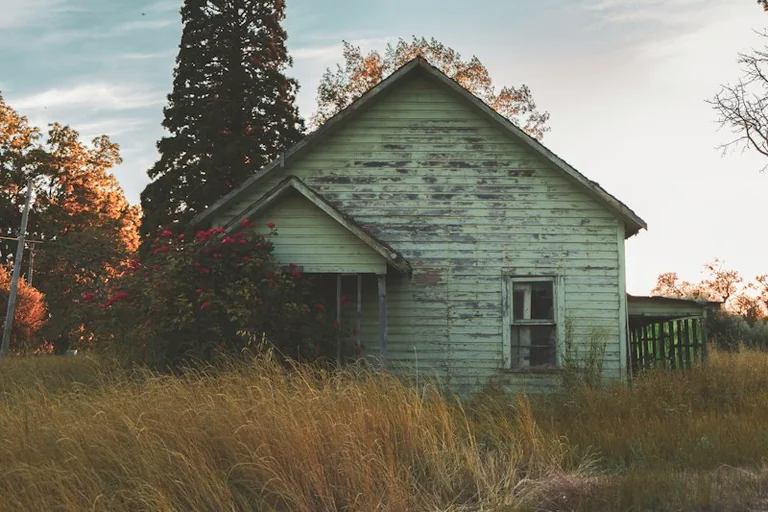
A bright, lived-in house may accompany feelings of belonging or renewed connection. A damaged house may appear during grief, uncertainty or a period when old assumptions no longer fit. A house that is larger inside than outside may express surprise, possibility or the sense that there is more to understand about oneself.
These are possibilities, not diagnoses. Anxiety, medication, disrupted sleep, stress and ordinary memory processing can all influence dream content. A disturbing dream is not proof that something bad will happen, and a comforting dream does not guarantee that a difficult issue is resolved.
A five-part map for reflecting on the dream
A short written map can help turn a vivid dream into a grounded reflection. Try completing these prompts soon after waking, before details fade:
- Place: What did the house look and feel like? Was it familiar, altered or completely unknown?
- Rooms: Which rooms did you enter, avoid or discover? What personal memories do they bring up?
- People: Who was present, absent or expected? What quality or relationship do you associate with each person?
- Objects: Which item drew your attention? Does it connect with a real event, habit, worry or hope?
- Emotion: What feeling was strongest when you woke—comfort, grief, shame, curiosity, fear, relief or something else?
Then add one final question: “Where is this emotion appearing in my waking life?” The answer does not need to be dramatic. It might point to a recent conversation, an upcoming decision, a family memory or the ordinary pressure of having too much to manage.
Family and cultural memory deserve care
An old house can carry more than one person’s history. It may evoke migration, inheritance, loss, language, religion, community or a home that no longer exists. Family members may remember the same place differently, and cultural traditions may give houses particular emotional or spiritual importance.
Respectful interpretation leaves room for those differences. Avoid assuming that a dream about an ancestral home means the dreamer has received a message from relatives or that a damaged building represents a family curse. If the dream brings up grief or a painful history, personal reflection may be helpful, but it should not replace support from a trusted person or qualified mental health professional when distress persists.
The most useful question is often simple: what does this house hold for me right now? Its meaning may change as your circumstances change. A recurring old house can be less a warning than a meeting place between memory, identity and the next stage of life.
Source: Editorial research
Context & actions About this article
Source check How to read this guide
This article combines cautious sleep and memory context with a personal reflection exercise rather than treating dream symbols as universal facts.
- Dream content can draw on memories and emotions
- Personal associations matter more than fixed symbol lists
- Disturbing dreams do not predict future events
- Scope
- International
- Updated
- 2026-09-21 09:23
Source check
Report a trust issue
Send a clear signal to community moderation if the source, facts or context need review.



Comments