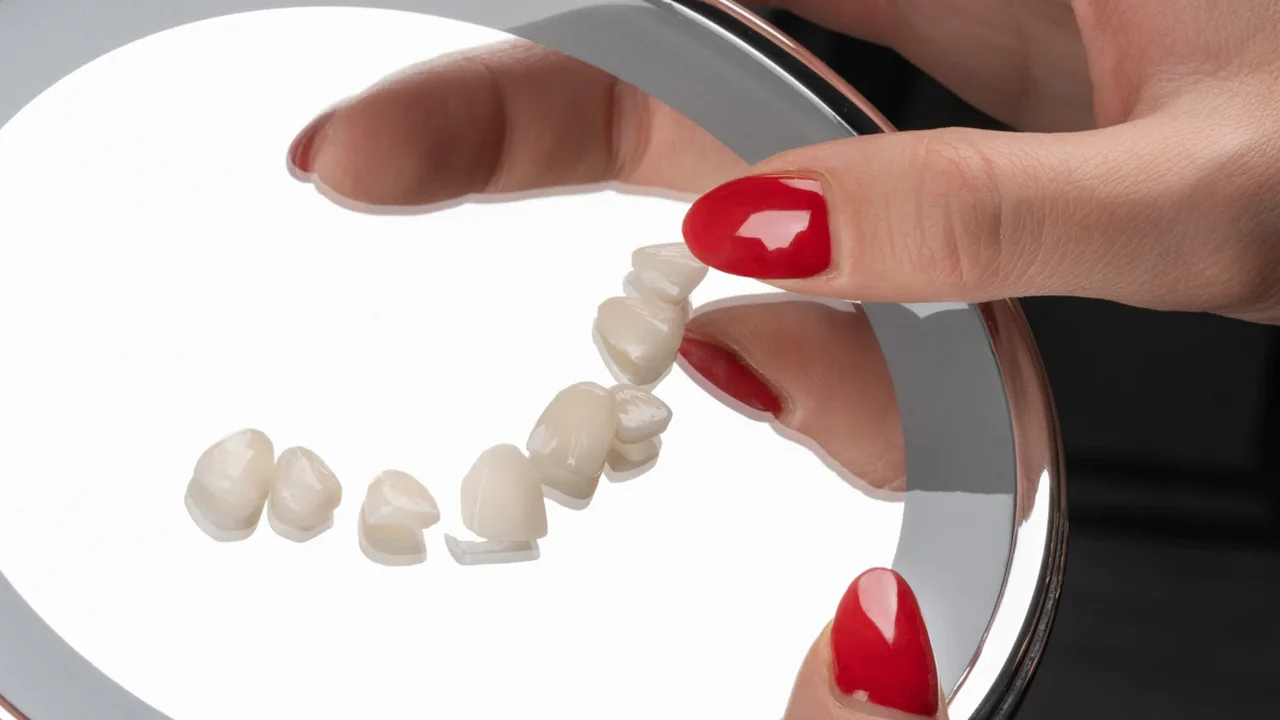
A dream about a loose tooth, or teeth falling out, can feel vivid enough to linger after waking. Popular dream-interpretation traditions link tooth loss with themes such as change, appearance or control, but no single meaning is established for everyone. Ordinary experiences, including dental discomfort, a recent appointment or stress, may also be worth considering. The Sleep Foundation’s overview offers general background on dreams; it does not establish one definitive interpretation for this particular dream.
Tooth-loss dreams have many popular interpretations
Across popular interpretations, losing teeth is often associated with transition, insecurity, communication or a sense of losing control. Some readings focus on appearance and how others see us; others treat the dream as a symbol of change or uncertainty. These ideas can offer prompts for reflection, but they are not evidence that a particular event or problem is occurring.
The range of interpretations is itself a reason to be cautious about treating any one of them as a rule. A symbol that feels meaningful to one person may mean little to another. Dreams can also be memorable without carrying a message that can be decoded. It is reasonable to explore a possible connection while leaving room for the dream to have no clear meaning.
Everyday experiences may be useful context
Dreams can draw on recent memories, feelings and sensations. If a tooth-loss dream follows dental discomfort or an appointment, those experiences may be relevant context. A stressful day or a period of change might also come to mind when reflecting on it.

A possible connection is not proof of a cause. Thinking about recent events is a way to reflect, not a diagnosis or a reason to assume something bad will happen. The available source context is general: the Sleep Foundation page discusses dreams broadly, rather than confirming a specific explanation for tooth-loss dreams.
Use the feeling as a starting point for reflection
Instead of beginning with a fixed symbolic meaning, start with what you remember and how the dream felt. The emotion may give you a more personal starting point than a list of interpretations. A few notes after waking can help keep the reflection specific without turning it into a search for certainty.
You might write down what happened in the dream as clearly as you can recall it, then note whether fear, embarrassment, relief, confusion or another feeling stayed with you. Consider whether anything about dental care, stress, appearance, change or control comes to mind. Ask whether an association feels plausible in your waking life, while allowing that none may fit.

Treat any connection as a question rather than a verdict. If nothing resonates, there is no need to force an explanation. A brief note may be enough; repeatedly searching for a hidden meaning can add worry without making the dream clearer.
When to discuss recurring distress or sleep problems
One unsettling dream, by itself, is not a reason to expect harm or assume there is a health problem. If distressing dreams keep recurring, cause ongoing distress or interfere with sleep, consider discussing the pattern with a health professional. You can describe how often it happens, how it affects your rest and what you have noticed around the dreams.
For a single tooth-loss dream, note what you felt and consider recent everyday context while keeping the interpretation open. If the dreams or sleep difficulties continue, a health professional can help you discuss the pattern.
Source: Sleepfoundation
Context & actions About this article
Source check About dream meanings
Popular symbolism can offer a reflection prompt, but no single interpretation explains every tooth-loss dream.
- Consider the emotion you remember from the dream
- Note any recent everyday associations
- Seek professional support if distressing dreams or sleep problems persist
- Source
- Sleep Foundation
- Scope
- International
- Updated
- 2026-10-21 09:28
Source check
Report a trust issue
Send a clear signal to community moderation if the source, facts or context need review.



Comments