
Dreaming of floodwater can leave you with a vivid feeling long after you wake. The water’s depth, movement and setting may offer useful questions about change or overwhelm, but they do not establish a fixed meaning or predict a real flood. Start with what happened in the dream and how you felt, then consider whether anything in waking life feels similarly difficult to contain.
By the GlobeBids Editorial Team
How deep was the floodwater?
Picture the difference between water covering a pavement and water rising above a doorway. Both are floodwater, but they create different experiences for the person in the dream. Where did the water reach? Could you stand, walk or see a way through? Were you watching it from somewhere dry?
Depth can help you name the scale of the feeling you remember. An ankle-deep flood might have felt inconvenient, manageable or strangely calm. Rising water might have brought urgency. Those are possibilities to test against your own experience, not meanings assigned by the image alone.
Ask what felt most pressing: the water itself, the possibility that it would rise, or the effort of keeping someone or something safe. A dream can be frightening because of what seems about to happen, even when little happens within it. That distinction may help you describe an uncertain situation in your life more precisely.
If you cannot remember the depth, do not fill it in. A single clear detail, such as wet shoes or a dry staircase, is enough to begin reflecting.
Was the water rising, rushing or standing still?
Movement changes the scene. Fast water may leave little time to choose a direction; still water may make a familiar route unusable. Did the flood arrive suddenly, creep in slowly or begin to recede? Were you moving with it, against it or away from it?
Consider the pace of anything that currently demands your attention. Does a change feel abrupt, gradual or stalled? This question may be more useful than deciding that moving water always represents one emotion. The same scene could feel threatening to one dreamer and relieving to another.
Notice your actions as well as the water’s. Perhaps you closed a door, climbed higher, helped someone cross or simply stood and watched. What did that action feel like in the dream? A choice that looks sensible when retold might have felt impossible at the time. Your remembered response can reveal more about the dream’s emotional tone than the flood image by itself.
Where did the flood happen?
A flooded home, street or unfamiliar place can draw attention to different parts of the story. Which location was it, and what does that place mean to you? A childhood house may carry memories that have little to do with the home you live in now. An unknown street may matter because you felt lost, or it may simply be where the dream unfolded.
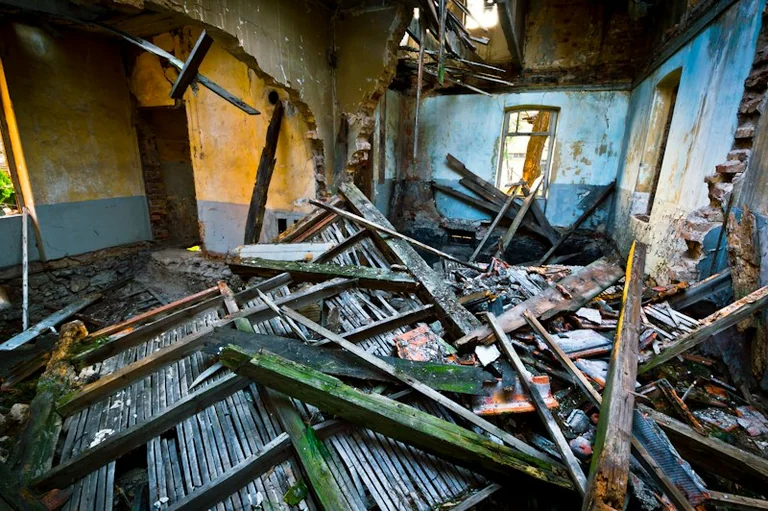
Look for concrete details before reaching for a symbolic reading. Was a room inaccessible? Could you find an exit? Was anyone else present, and did you know them? Did you feel responsible for a person, an object or a task? These details give you questions to consider without turning a dream into a verdict about your relationships or future.
The setting also offers a check against overinterpretation. If you recently saw flood footage, experienced heavy rain or talked about water damage, those experiences may have supplied imagery for the dream. You can acknowledge that possibility while still taking the feeling the dream stirred up seriously.
What does water mean to you?
Water carries varied meanings across stories and cultures. It can be associated with danger, renewal, passage, loss or other ideas, depending on the story and the people telling it. No single cultural meaning belongs to every reader, and a broad symbol cannot tell you what your own dream meant.
If a particular story, family saying or spiritual tradition comes to mind, ask what it means within that context and whether it feels relevant to this dream. You do not have to adopt an interpretation merely because it is familiar. Your own memories of swimming, storms, rivers or home may shape your response just as strongly.
It can help to separate three things on paper: what you saw, what you felt and what you think it might mean. For example, “water covered the stairs” is a remembered detail; “I felt trapped” names an emotion; “I may be worried about a change” is a possible interpretation. Keeping those apart leaves room to revise your view.
If the dream was distressing, return to the present first
You do not need to interpret a frightening dream while your body still feels alarmed. Sit somewhere comfortable, put your feet on the floor and name five things you can see. Notice where you are and remind yourself that you are awake. Take a few slow breaths at a pace that feels comfortable, or get a drink of water before deciding whether to write anything down.
Once you feel steadier, try three short journal prompts:
- What is one detail of the water I remember clearly?
- What feeling was strongest, and when did it change?
- Is there a change or demand in my life that brings up a similar feeling?
You may find a connection, several possible connections or none. Any of those outcomes is reasonable. A flood dream is a personal experience to reflect on, not a weather warning. If distressing dreams keep disrupting your sleep or daily life, consider discussing them with a qualified health professional. For now, the next useful check is simple: notice what feeling remains after you are fully awake, and whether it connects to something you can address today.
Source: Editorial research
Context & actions About this article
Source check About dream meanings
Dream imagery has no fixed meaning and cannot predict a real flood; the questions here are prompts for reflection.
- Separate remembered dream details from possible interpretations.
- Consider recent experiences that may have influenced the imagery.
- Seek professional support if distressing dreams repeatedly disrupt sleep or daily life.
- Scope
- International
- Updated
- 2026-09-27 08:42
Source check
Report a trust issue
Send a clear signal to community moderation if the source, facts or context need review.



Comments