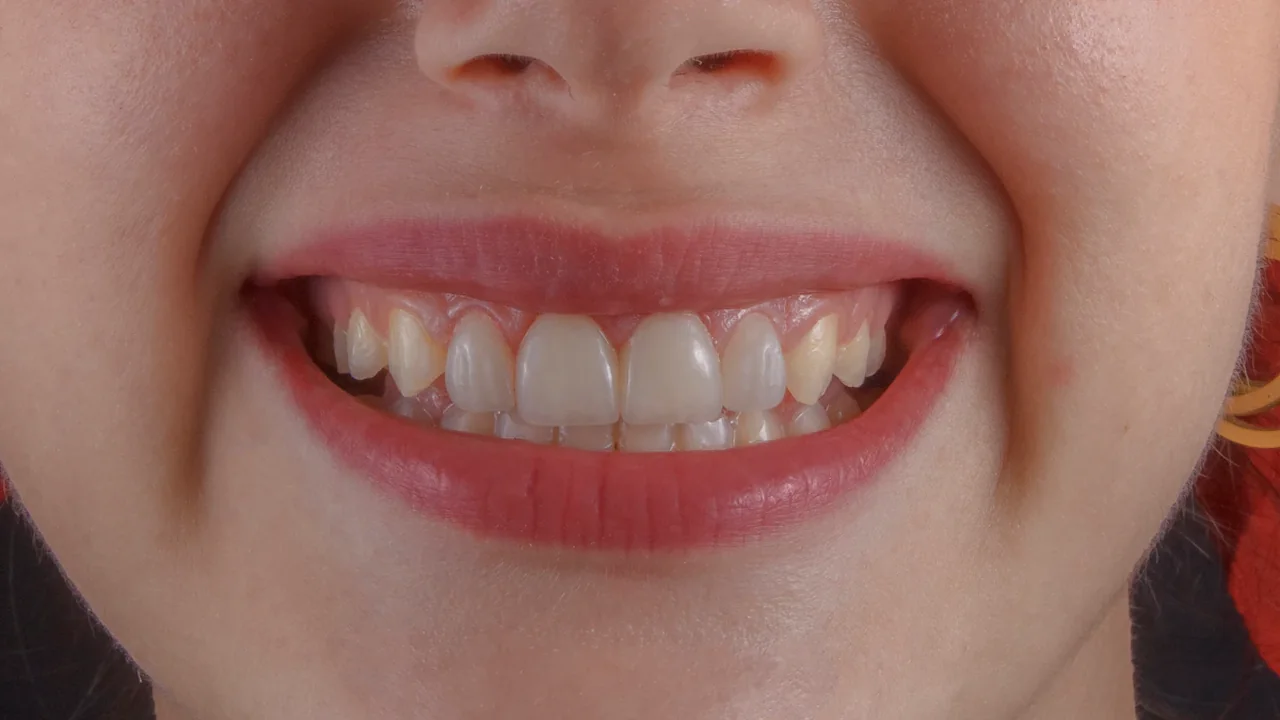
Dreams about teeth falling out are among the most frequently reported nocturnal experiences. While these vivid scenarios can be unsettling, they are rarely prophetic and do not hold a single, universal meaning. Instead, they serve as a symbolic reflection of how you are navigating your waking life, often acting as a mirror for internal states rather than a forecast of future events.
Common Associations and Symbolic Reflection
Psychological interpretations often link dental dreams to themes of control, communication, and personal agency. Because teeth are essential for speaking, eating, and presenting ourselves to the world, losing them in a dream can manifest as a variety of subconscious concerns:
- A sense of vulnerability: Feeling exposed or lacking the tools to express yourself effectively in a professional or personal setting.
- Fear of change: Navigating a significant life transition, such as a new job, a move, or a shift in social status, can often trigger these dreams as the brain processes the loss of the “known.”
- Self-image concerns: Worrying about how you are perceived by others or a fear of being judged can manifest as the loss of the very features that define your smile and appearance.
The Role of Emotion in Interpretation
Rather than fixating on the symbol of the tooth itself, it is more productive to focus on the emotion attached to the dream. The context of your reaction—whether you felt embarrassment, terror, or perhaps a strange sense of relief—is often more informative than the imagery itself.
Read also: Dreaming Your Teeth Fall Out: Meaning, Stress and Speech
If you were desperately trying to hide your mouth during the dream, it may reflect a desire to conceal a secret or a feeling of inadequacy in a specific social setting. Conversely, if the dream felt neutral or surreal, it may simply be a byproduct of your brain processing daily information. By identifying the dominant emotion, you can often pinpoint the specific area of your waking life that requires your attention.
Physical Cues and Sleep Physiology
It is vital to distinguish between symbolic reflections and potential physical symptoms. Sometimes, the brain incorporates real-world sensations into the dream narrative, creating a “sensory bridge” between your physical state and your subconscious.
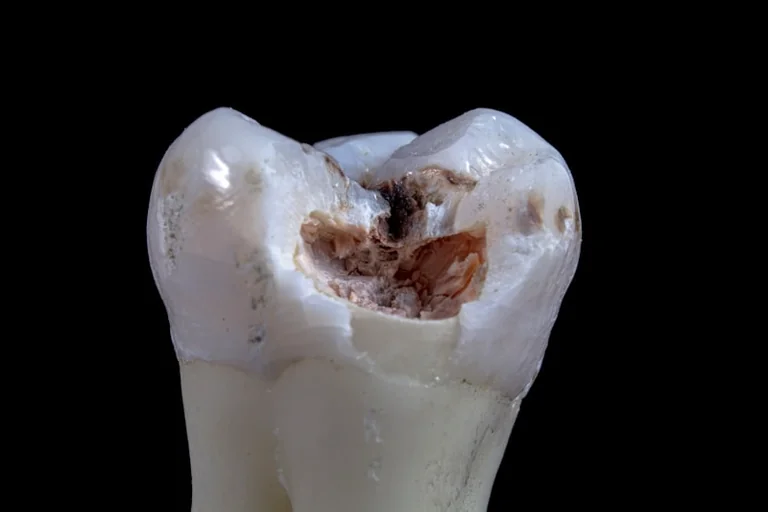
- Bruxism: If you grind or clench your teeth during sleep—a condition known as bruxism—your brain may interpret the resulting jaw tension or pressure as teeth crumbling or falling out. This is a common phenomenon where the mind attempts to rationalize physical discomfort.
- Dental Discomfort: Sensitivity, gum irritation, or a recent dental procedure can trigger a subconscious focus on your mouth, which then becomes the central theme of your dream.
- Sleep Quality: Fragmented sleep or high stress levels are known to increase the vividness of dreams. When sleep is disrupted, the brain’s ability to regulate emotional content decreases, making dreams feel more significant and intense upon waking.
Cultural Perspectives and Variation
Interpretations of dental dreams vary widely across the globe. In some cultural traditions, losing teeth is associated with upcoming financial gain or personal growth, while in others, it is linked to the health of family members or the passing of time. These cultural frameworks are fascinating for their storytelling value and historical context, but they are not clinical indicators of your future or your physical health. They serve as a reminder that the way we interpret our dreams is deeply influenced by our environment and upbringing.
Useful Details: When to Seek Professional Advice
If you wake up with a sore jaw, a headache, or tooth sensitivity, the most effective next step is to consult a dentist rather than a dream dictionary. Persistent jaw pain or visible signs of wear on your enamel are indicators of physical conditions like bruxism that require professional management.
If you find that your dreams are accompanied by persistent anxiety or if the stress of your waking life feels unmanageable, speaking with a qualified mental health professional can provide more effective support than symbolic interpretation. By addressing the physical or psychological root causes, you can often reduce the frequency of these unsettling nocturnal experiences.
Source: Editorial research
Context & actions About this article
Source check Editorial approach
This guide separates symbolic interpretation from physical dental health, emphasizing professional consultation for persistent symptoms.
- Consult a dentist for jaw pain or teeth grinding symptoms.
- Consider stress management for recurring sleep disturbances.
- View dream symbols as subjective reflections rather than clinical facts.
- Source
- National Health Service (NHS) - Bruxism advice
- Scope
- International
- Updated
- 2026-08-31 18:12
Source check
Report a trust issue
Send a clear signal to community moderation if the source, facts or context need review.


Comments