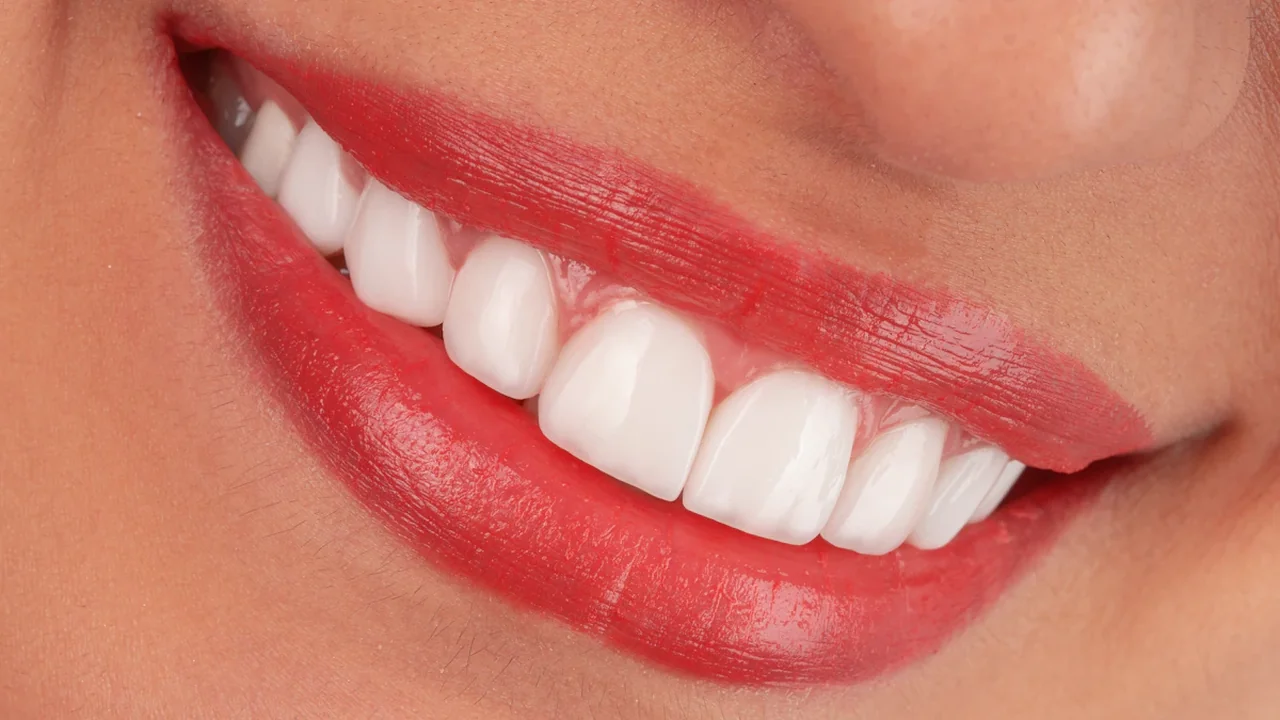
Dreaming that your teeth fall out can feel disturbingly real, but it does not have one fixed meaning. The dream may reflect vulnerability, appearance concerns, communication anxiety, ageing or a loss of control. It is not reliable evidence that illness, death or another future event is approaching.
By the GlobeBids Lifestyle Desk
Updated August 31, 2026
The most useful clues are often found in the scene itself. Did losing a tooth hurt? Were you embarrassed, unable to speak or examining yourself in a mirror? Those details can become practical questions about current stress, difficult conversations and self-consciousness. Physical symptoms after waking, however, call for attention to dental health rather than symbolism.
Why teeth-loss dreams can feel so unsettling
Teeth are connected with several sensitive areas of everyday life. They affect how people speak, eat and perceive their appearance, while losing them can suggest change or reduced control. A dream that focuses on teeth can therefore combine several concerns without representing one literal event.
The emotional tone matters more than a universal dream dictionary. Fear may point towards uncertainty or vulnerability. Shame can fit concerns about appearance or social judgment. Frustration at being unable to speak may reflect a conversation in which the dreamer feels ignored, cautious or misunderstood.
This does not mean the dream uncovers a hidden fact. Dream interpretation is subjective, and the same image can carry different associations for different people. A useful interpretation should help someone reflect on waking life without presenting speculation as certainty.
Common versions of the dream and possible themes
Small changes in the dream can shift the questions worth asking:
- A single loose tooth: Is one particular decision, relationship or responsibility making you feel insecure?
- Several teeth crumbling: Have multiple pressures accumulated, leaving you worried that things are becoming difficult to manage?
- Teeth falling out while speaking: Are you holding back, rehearsing a difficult conversation or worrying about saying the wrong thing?
- Hiding your mouth: Have you recently felt exposed, judged or unusually conscious of your appearance?
- Checking a mirror: Are you evaluating how others see you, or reacting to a change in age, identity or confidence?
- Pain or blood in the dream: Was the strongest feeling fear, physical discomfort or a sense of irreversible loss?
- Replacing or collecting the teeth: Are you trying to repair a situation, restore control or preserve something that seems to be changing?
These are prompts, not verdicts. For example, a person preparing for a presentation might connect the dream with communication anxiety. Someone facing a major transition might associate it with uncertainty or ageing. Another person may simply have noticed dental discomfort during sleep.
Stress, speech and self-consciousness
A teeth-loss dream can be especially relevant when waking life contains an unresolved conversation. The mouth is central to speech, so difficulty talking in the dream may echo concerns about being heard, choosing the right words or revealing too much.
Consider whether any recent situation involved:
- avoiding a necessary conversation;
- feeling unable to defend a boundary;
- worrying about criticism or embarrassment;
- replaying something you said;
- managing a change that feels outside your control.
Appearance can be another theme. Teeth are visible when people smile and speak, and a dream involving a mirror or other people’s reactions may coincide with self-consciousness. That does not make the dream an objective judgment about appearance. It may instead show how strongly the possibility of judgment is occupying your attention.
Ageing is also a familiar association because teeth can symbolize strength, health or change over time. Yet an ageing interpretation should not be imposed automatically. A younger person experiencing workplace stress may find that control or speech fits much better.
Cultural beliefs do not make the dream a prediction
Teeth dreams have appeared in historical, spiritual and folk traditions, sometimes as omens involving illness, family change, misfortune or death. The details and supposed meanings vary between communities, which itself shows that there is no single cultural interpretation.
Such beliefs can matter as family history or cultural symbolism. A person raised with a particular folk belief may feel genuine fear after the dream, even if they do not consciously accept the prediction. Recognizing that emotional influence can be helpful without treating the omen as factual.
There is no reliable basis for using a dream to predict illness, death or future events. It should not be used to make medical decisions, accuse another person, cancel important plans or assume that harm is imminent. If the dream has triggered persistent fear, discussing that fear with a trusted person or qualified mental health professional may be more constructive than searching for increasingly alarming interpretations.
Questions that can turn the dream into useful reflection
Begin with what happened before deciding what it meant. Writing down the scene soon after waking can preserve details that would otherwise disappear.
Ask yourself:
- What emotion was strongest: fear, shame, pain, helplessness or surprise?
- Did I try to speak, and could anyone understand me?
- Was I alone, or was someone watching and reacting?
- Did I look in a mirror or worry about my appearance?
- What currently feels unstable, exposed or outside my control?
- Is there a conversation I am avoiding or repeatedly rehearsing?
- Did I wake with jaw tension, tooth sensitivity or a headache?
A brief dream-log entry might read: “Three teeth became loose while I was answering a question at work. I felt embarrassed and could not finish speaking.” A grounded reflection would be: “I may be worried about being judged in an upcoming meeting.” It would not be: “The dream proves something bad will happen.”
After identifying a plausible waking concern, choose one proportionate response. That might mean preparing notes for a conversation, asking for clarification, setting a boundary or reducing avoidable stress before bed. If no connection feels convincing, it is also reasonable to leave the dream unexplained.
When teeth dreams may coincide with a real dental issue
Sometimes the body supplies sensations that become part of a dream. Teeth grinding or jaw clenching during sleep, known as bruxism, may be associated with morning jaw tightness, facial soreness, headaches, worn teeth or increased sensitivity. A dream cannot establish whether bruxism is present.
Arrange a dental assessment if you notice real tooth pain, damaged or loose teeth, recurring sensitivity, jaw tension, clicking, morning headaches or signs that you grind your teeth. Seek prompt professional advice for severe pain, facial swelling, dental trauma or other concerning symptoms.
Do not rely on symbolic interpretation to explain persistent physical discomfort. A dentist can examine the teeth and jaw, discuss possible causes and advise whether treatment or further assessment is appropriate.
A balanced way to interpret the dream
Treat the dream as an invitation to notice feelings, not as a coded forecast. Start with its emotional and social details, connect them cautiously to current circumstances, and avoid forcing a meaning that increases fear without offering insight.
The practical dividing line is simple: questions about vulnerability, speech or self-consciousness belong in reflection; pain, grinding and jaw tension belong in a dental conversation. That distinction allows cultural symbolism to be acknowledged without confusing it with evidence about health or the future.
Source: Editorial research
Context & actions About this article
Source check Interpretation and health context
This guide treats dream meanings as subjective reflections and directs readers with real dental symptoms towards professional assessment.
- Distinguishes possible themes from fixed meanings
- Rejects dreams as reliable predictions of illness, death or future events
- Identifies physical symptoms that warrant a dental assessment
- Scope
- International
- Updated
- 2026-08-31 18:07
Source check
Report a trust issue
Send a clear signal to community moderation if the source, facts or context need review.



Comments