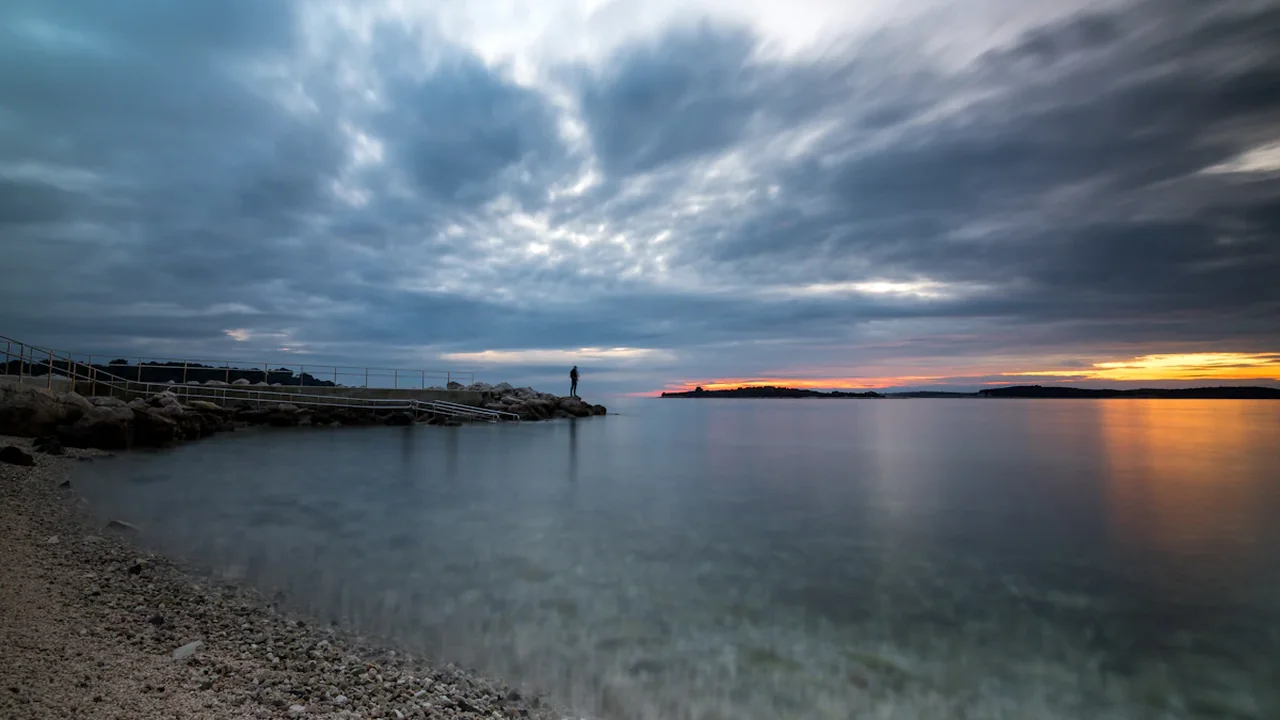
Dreams featuring the sea are rarely singular in their meaning. Because the ocean represents a vast, shifting landscape in both our waking lives and our subconscious, interpreting these dreams requires looking past simple symbolism. The way you interact with the water—whether you are observing from a distance or fully immersed—often serves as a mirror for your current emotional state and your relationship with the unknown.
The Influence of Water Conditions
Water serves as the primary indicator of the dreamer’s internal emotional climate. The state of the sea in your dream provides a baseline for how you are processing your current environment.
- Calm, glassy water: This is frequently associated with feelings of stability, reflection, or a genuine need for rest. It suggests a period where your internal life feels manageable, predictable, and perhaps even stagnant. It is a state of equilibrium.
- Rough, churning seas: Violent storms or high swells do not necessarily predict external chaos. Instead, they often mirror feelings of being overwhelmed or a healthy, subconscious respect for forces outside your immediate control. These dreams may acknowledge that you are currently navigating a turbulent transition in your personal or professional life, where the outcome is not yet fixed.
Your Position Relative to the Tide
Your physical relationship to the water changes the narrative of the dream significantly, shifting the focus from the environment to your agency within it.
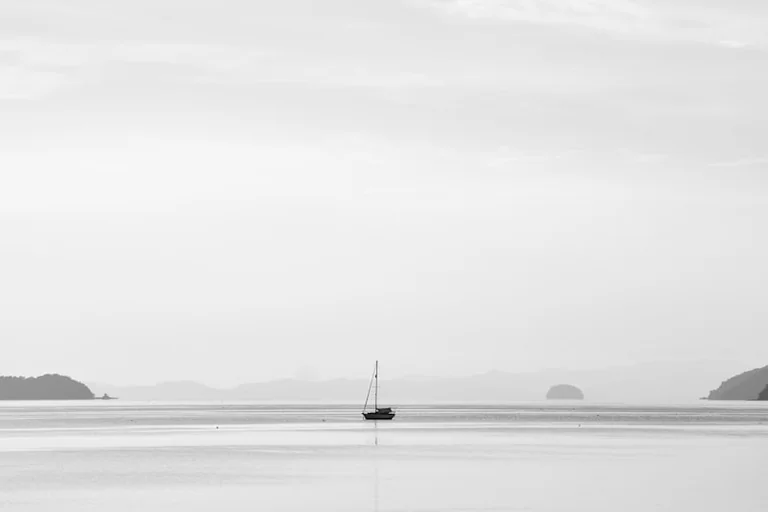
- Standing on the shore: This often signifies a boundary. You are observing your emotions or a situation from a place of relative safety. This position suggests you are weighing a decision before committing to action, acting as a spectator to your own internal currents.
- Swimming or sailing: These actions suggest active engagement. Whether you are using your own physical effort to swim or utilizing a vessel to sail, you are participating in your current circumstances. You are actively navigating the currents of your life rather than merely watching them pass.
- Being pulled underwater: This can indicate a feeling of being submerged by responsibilities or emotions that are currently beyond your immediate capacity to manage. It represents a loss of control or a fear of being overwhelmed by the depth of your own feelings.
Maritime Context and Cultural Significance
In British culture and wider maritime traditions, the sea has long held a dual identity as both a source of livelihood and a boundary of danger. It is the threshold between the known world and the unknown. Historically, the sea represents both an escape from the constraints of land and a formidable, untamable power that demands respect.
When you dream of the sea, consider whether your subconscious views it as a space of freedom and opportunity or as a volatile barrier. This cultural conditioning often informs how we react to water in our dreams—whether we feel drawn to the horizon or anxious about the depth. The sea is a space where the boundaries of the self are tested against the vastness of the external world.

Reflection Prompts for Your Dreams
To better understand your sea dreams, consider these questions during your waking hours to bridge the gap between the dream state and your daily reality:
- Emotional state: Did the water reflect how you feel today, or did it feel like a reaction to a specific, external stressor? Identifying the source of the emotion can help distinguish between internal moods and external pressures.
- Boundaries: Did you feel safe on the shore, or did you feel trapped by the land? This distinction clarifies whether you view your current boundaries as protective or restrictive.
- Direction: In your dream, were you moving toward the deep water or trying to return to the safety of the beach? Understanding your desired direction can clarify where you feel you are heading in your current life and whether you are seeking growth or security.
Source: Editorial research
Context & actions About this article
Source check Editorial approach
This guide focuses on psychological and cultural context for dream interpretation rather than predictive or mystical outcomes.
- Review of symbolic archetypes in maritime literature
- Analysis of common emotional responses to water in dream research
- Scope
- International
- Updated
- 2026-08-24 07:30
Source check
Report a trust issue
Send a clear signal to community moderation if the source, facts or context need review.




Comments