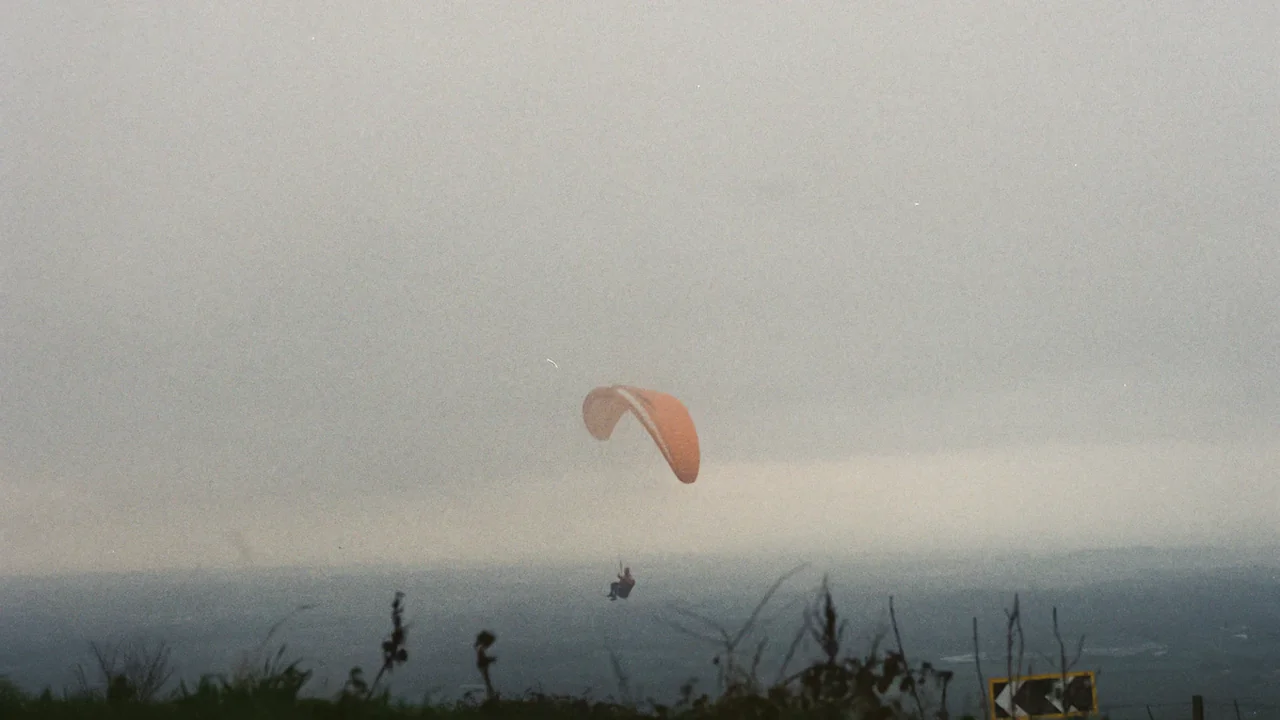
A flying dream can feel like release, mastery or sudden danger, but it does not carry one universal message. The useful question is how the flight felt, what allowed or interrupted it, and whether that emotional pattern resembles a decision, responsibility or relationship in waking life.
Why flying dreams can feel so different
Flying imagery often combines freedom with exposure. In one dream, you may rise easily above rooftops and wake with a sense of possibility. In another, the ground keeps pulling closer, your control disappears or the height becomes frightening. The same image can therefore support very different reflections.
A gentle flight might echo a period when you feel capable of handling change. It could also reflect a wish for distance from demands that have become exhausting. A dream of struggling to stay airborne may connect with pressure, uncertainty or the fear that success depends on constant effort.
Read also: John Donne’s ‘No man is an island’: asking for help
These are possibilities, not a fixed code. Dream images are shaped by personal memory, recent experiences and the emotions present during sleep. Someone who loves flying may experience height as play, while someone anxious about risk may experience it as exposure.
Freedom is only part of the picture
Many flying dreams are remembered as uplifting because they create a strong physical sense of movement without ordinary limits. You may cross a familiar town, skim over water or discover that your body can do something impossible. That emotional lift can make the dream feel like an invitation to act more boldly.
Yet freedom can also bring responsibility. If you are the only person in the sky, the dream may leave you feeling isolated rather than liberated. If other people are watching, the central emotion may be performance or judgement. If you keep returning to one place, the dream may be less about escape than about a decision you have not finished considering.
Try separating the image from the feeling by asking:
- Did the flight feel chosen, accidental or forced?
- Were you enjoying the view, hiding from something or trying to reach someone?
- Did control come naturally, or did you need tools, wings or help?
- What part of your current life feels unusually open or unusually risky?
From Icarus to broomsticks: flying in cultural memory
Western stories have long used flight to explore ambition and danger. In the Greek myth of Icarus, flight is linked with escape, invention and a failure to respect limits. The story is often read as a warning about overconfidence, but it can also raise a more personal question: who set the limits, and which risks were worth taking?
The broomstick is another familiar image. European witch folklore and later illustrations connected witches with airborne travel, turning flight into a symbol of forbidden knowledge, independence and social suspicion. A broomstick in a modern dream may therefore feel playful, rebellious or unsettling depending on the dreamer’s relationship with those associations.
Popular culture adds more variations. Peter Pan makes flight resemble childhood freedom and resistance to ordinary time. Mary Poppins turns it into a form of imaginative care, while Superman presents flight as responsibility attached to unusual ability. These stories do not prove what a dream means, but they give the mind a library of emotional possibilities.

The cultural reference that matters most is the one your own mind selected. A person who grew up loving superhero films may experience effortless flight as competence. Someone who associates flying with falling scenes in cinema may feel the same movement as a warning. Personal history changes the reading.
Control, fear and the limits of dream dictionaries
Dream dictionaries can be tempting because they offer quick answers: flying means freedom, falling means failure, and so on. Their weakness is that they flatten the most important detail—the dreamer’s emotional experience.
Consider two dreams in which the sleeper rises above a city. In the first, the air is warm, visibility is clear and landing is easy. In the second, the sleeper cannot steer, sees people below in danger and wakes in panic. Treating both as symbols of freedom would miss the difference between agency and helplessness.
A more useful approach is to track the dream’s pattern. Did you make a choice? Did someone else control the movement? Were there consequences? Did you feel more like an explorer, a performer, a fugitive or a passenger?
This approach also avoids treating dreams as predictions. A frightening flight does not forecast an accident, and an exhilarating one does not guarantee success. The dream may still help you notice how you are approaching a real decision, especially when the emotional tone remains vivid after waking.
A short reflection for an uplifting or frightening flight
Write down the dream in a few sentences before trying to interpret it. Include the setting, the direction of movement, the people present and the moment when the emotion changed.
Then complete these prompts:
- “The best part of being in the air was…”
- “The moment I lost confidence or control was…”
- “In waking life, I am currently deciding whether to…”
- “One small action that would give me more agency is…”
Keep the final answer practical and modest. It might be asking for clearer information, setting a boundary, testing an idea or accepting that a worthwhile choice still carries uncertainty. The dream does not need to deliver a verdict to be useful; it can simply show which part of a decision feels freeing and which part feels exposed.
Source: Editorial research
Context & actions About this article
Source check Context note
This feature draws on familiar folklore and popular culture while treating dream meaning as personal reflection rather than a universal code or prediction.
- Compare the dream’s emotional tone with its imagery
- Separate personal associations from cultural symbolism
- Relate the reflection to a current decision or source of agency
- Scope
- International
- Updated
- 2026-10-07 11:20
Source check
Report a trust issue
Send a clear signal to community moderation if the source, facts or context need review.



Comments