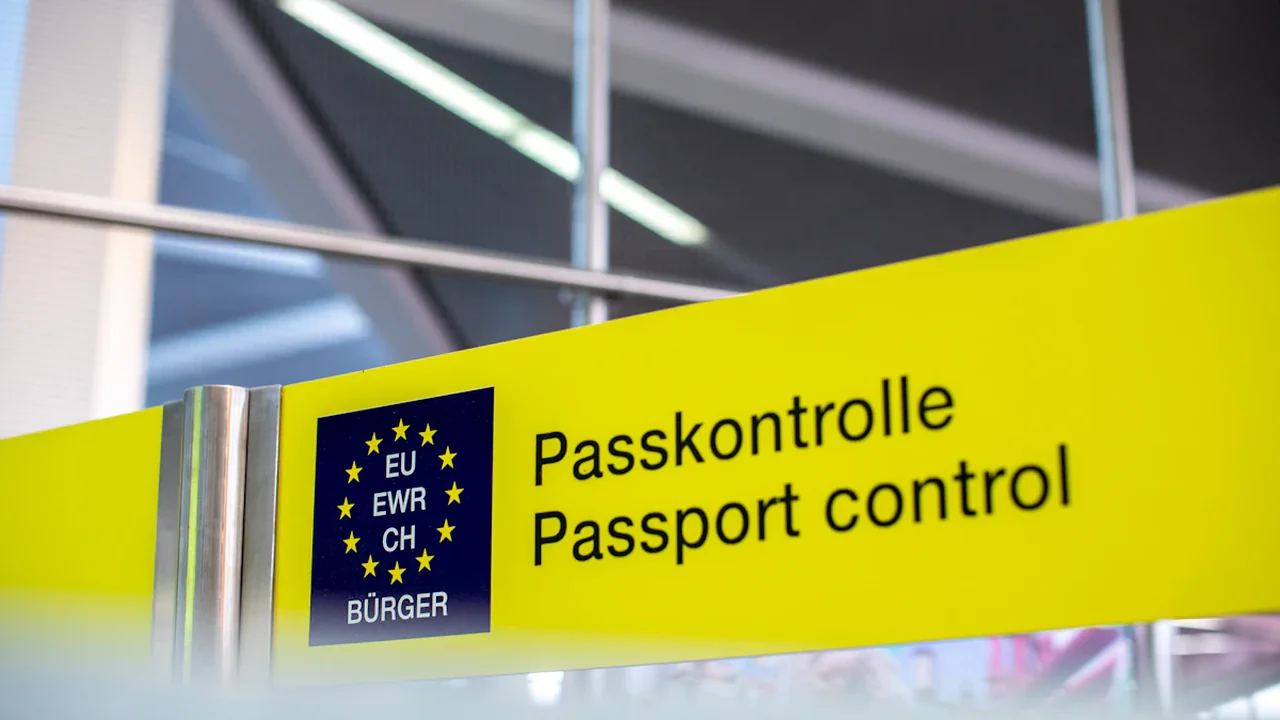
As travel patterns to the European Union evolve, UK passport holders are encountering new digital border requirements. Understanding the distinction between upcoming electronic registration systems is essential for a smooth journey this autumn.
Essential Travel Details
- EES vs. ETIAS: These are two distinct systems. The Entry/Exit System (EES) is for biometric registration, while ETIAS is a travel authorisation requirement.
- Biometric Data: EES will record your name, passport details, and facial/fingerprint scans upon your first entry into the Schengen Area.
- Preparation: Always check the latest GOV.UK travel advice for your specific destination before departing.
Distinguishing Between EES and ETIAS
It is common to conflate the Entry/Exit System (EES) with the European Travel Information and Authorisation System (ETIAS), but they serve different purposes. The EES is a digital border management tool designed to track non-EU citizens entering and leaving the Schengen Area. It replaces the manual stamping of passports with an automated electronic log of entry and exit dates.
ETIAS, conversely, is a pre-travel authorisation requirement for visa-exempt travellers. They are separate protocols, and travellers should ensure they are not relying on information meant for one when preparing for the other.
Read also: EES vs ETIAS: What UK Travellers Must Do for Europe
What to Expect at the Border
When the EES is fully operational, your first arrival at a participating European border will involve an electronic registration process. This involves capturing biometric data, specifically facial images and fingerprints. This procedure is mandatory for British citizens and other non-EU travellers.
Because this is a new digital step, you should anticipate that your first journey might take slightly longer than previous trips. Border authorities are adjusting procedures to account for the time required to capture and verify this biometric information.
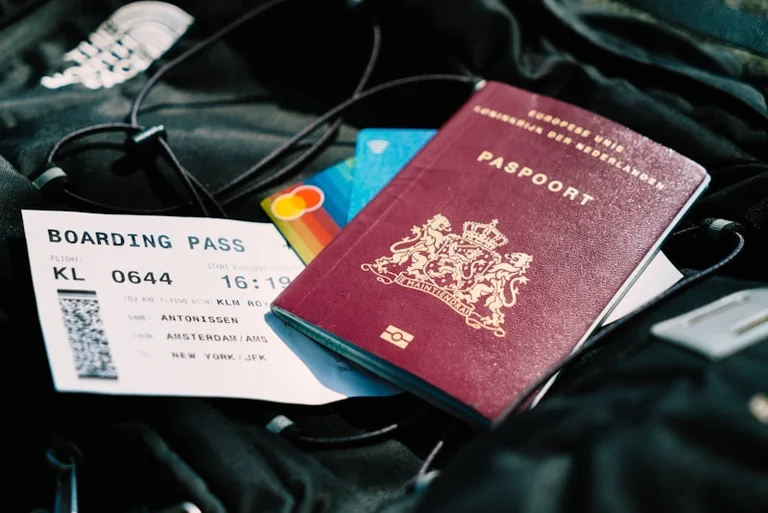
Why Procedures Vary by Route
Your experience at the border will depend heavily on your mode of transport. Procedures at airports, international rail terminals, and ferry ports differ significantly due to their unique infrastructure and passenger volumes.
Some carriers may implement pre-registration tools or dedicated areas for biometric data collection to speed up the process. Always monitor communications from your airline, train operator, or ferry company in the days leading up to your departure, as they provide the most accurate instructions for your specific route.
Pre-Departure Verification Steps
Before you head to the terminal, take these steps to ensure you are prepared:
* Check Official Sources: Review the European Union’s official travel portal for the most current EES status and requirements.
* Verify GOV.UK Guidance: Consult the UK Government’s travel advice page for your destination country, as local implementation can vary.
* Carrier Updates: Check your travel provider’s website or email updates for any route-specific instructions regarding new border procedures.
* Document Readiness: Ensure your passport is valid for the duration of your stay and meets the entry requirements for the Schengen Area.
Source: European Union
Context & actions About this article
Source check Official guidance
This article relies on official guidance from the European Union and the UK Government regarding border protocols.
- Confirm current status on the EU official travel portal
- Check GOV.UK foreign travel advice
- Source
- European Union Travel Portal
- Scope
- United Kingdom
- Updated
- 2026-08-30 14:48
Source check
Report a trust issue
Send a clear signal to community moderation if the source, facts or context need review.




Comments