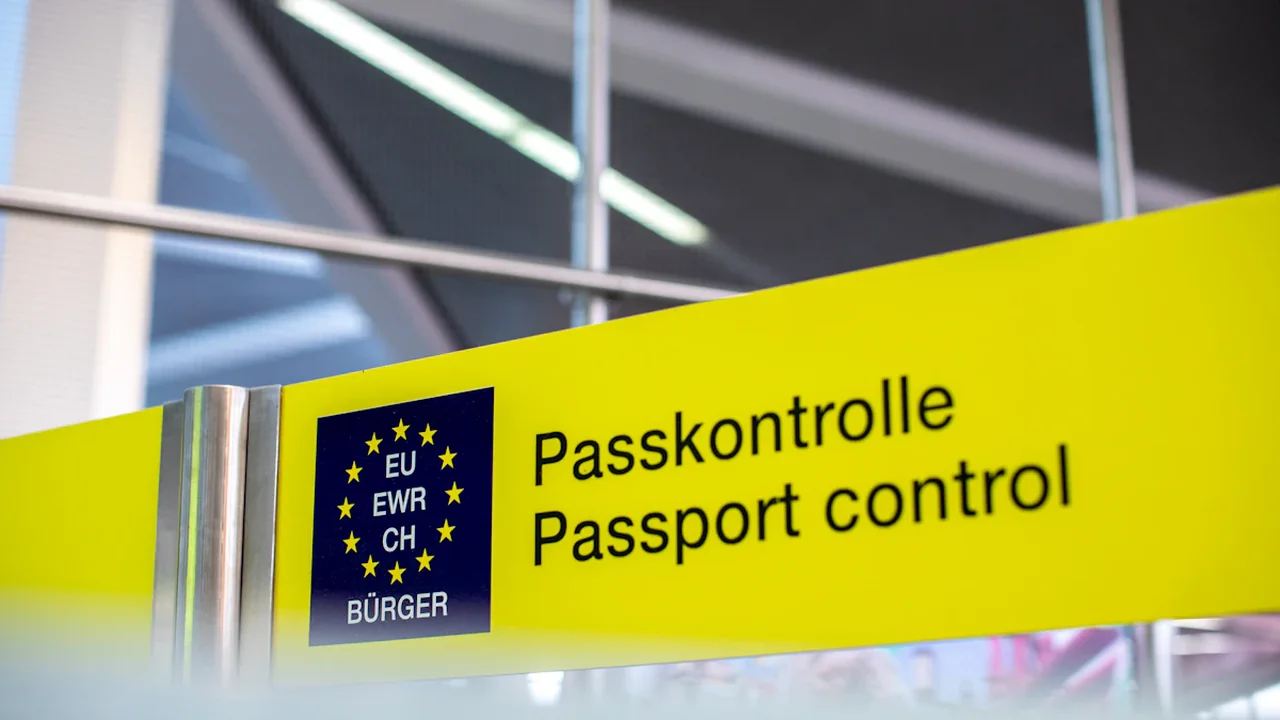
British travellers should check both their passport dates and permitted stay before travelling to Europe. Rules vary by destination, nationality and passport type, so do not assume the Schengen requirements apply everywhere.
By the GlobeBids Travel Desk | 22 August 2026
Check the advice for every country on your journey
Use the Foreign, Commonwealth & Development Office travel advice for your destination before departure. Check any country where you will change flights, pass through border control or stay overnight, because transit requirements can differ from the rules at your final destination.
Repeat the check shortly before travelling. Entry conditions can change, and airlines or ferry operators may impose separate identification requirements.
British passports face two separate Schengen date tests
For a short visit to the Schengen area, a British citizen’s passport generally must:
- Have been issued less than 10 years before the arrival date.
- Remain valid for at least three months after the planned departure date.
These are separate tests. Extra validity added to an older passport may mean its printed expiry date looks acceptable while its issue date does not. Compare the issue and expiry dates with the precise dates of the trip rather than relying only on the remaining months.

Different requirements may apply to non-British passports, residence-card holders and people travelling under withdrawal-agreement rights.
Count every Schengen day within the rolling 180-day window
British citizens can normally visit the Schengen area without a visa for up to 90 days in any 180-day period. The allowance covers the area as a whole, not 90 days in each country. Both arrival and departure days count.
For example, a 60-day stay followed by a 30-day stay elsewhere in Schengen can use the full allowance if both fall within the same rolling 180-day window. Older travel days gradually stop counting as the window moves forward.
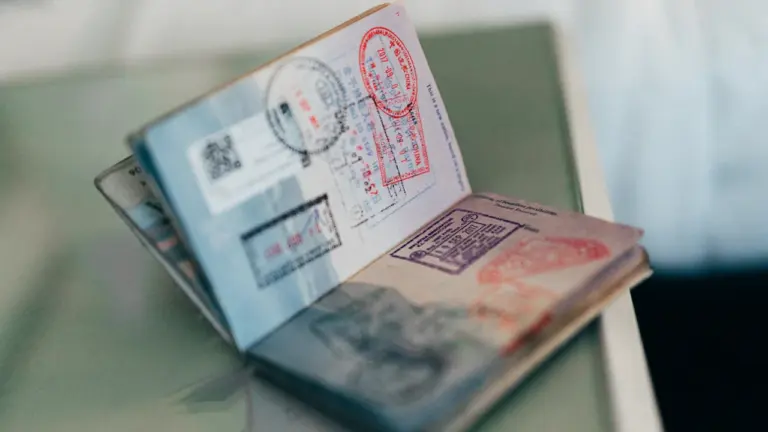
Travellers nearing the limit should list every Schengen entry and exit, including short breaks and connecting journeys involving border control. Passport stamps can help, but incomplete or unclear stamps should not be treated as proof that a day is excluded. Longer stays may require a visa or residence permission from the relevant country.
Ireland follows separate Common Travel Area arrangements
Ireland is outside the Schengen area and has separate arrangements with the UK under the Common Travel Area. British citizens should still check Irish entry guidance and their carrier’s identification policy. Time spent in Ireland does not use the Schengen 90-day allowance.
Complete these checks before departure
- Open the FCDO entry-requirements page for every destination and connecting country.
- Compare the passport issue date and expiry date with the travel dates.
- Count Schengen days across the previous and planned 180-day period.
- Check that each child has the required valid passport and supporting consent documents.
- If travelling as a dual national, confirm which passport must be shown at each border.
- Carry evidence of accommodation, onward travel and funds if the destination may request it.
- Seek destination-specific advice before booking if the planned stay approaches 90 days.
Source: UK Government
Context & actions About this article
Source check How this guide was checked
This guide distinguishes Schengen rules from destination-specific requirements and the separate Common Travel Area arrangements.
- Passport date rules checked against UK government Europe travel guidance
- Destination-specific advice linked to the FCDO travel service
- Ireland guidance checked against the Common Travel Area framework
- No unconfirmed border-system launch date is stated
- Source
- UK Government passport rules for travel to Europe
- Scope
- United Kingdom and Europe
- Updated
- 2026-08-22 14:29
Source check
Report a trust issue
Send a clear signal to community moderation if the source, facts or context need review.

Comments