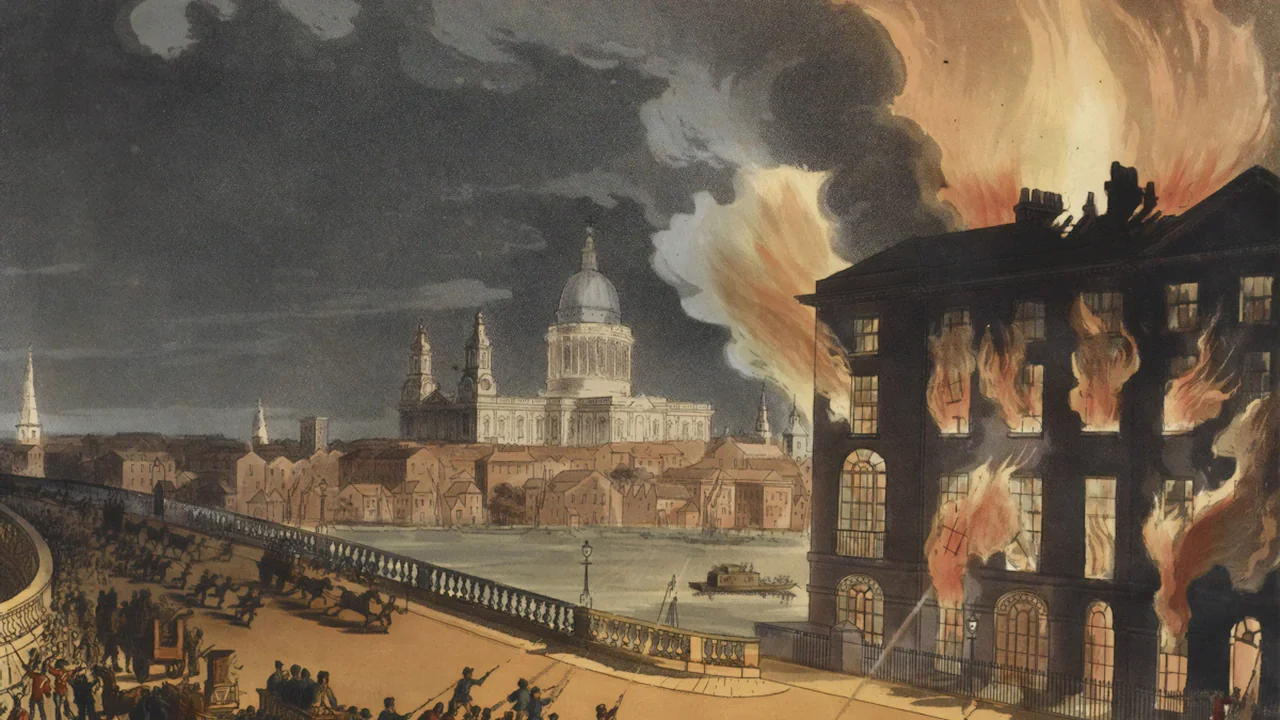
London’s Great Fire began in Pudding Lane on 2 September 1666 and destroyed much of the City of London over several days. The rebuilding that followed changed how homes and streets were designed, while the disaster sharpened attention to fire safety. The Museum of London’s historical account helps trace what happened—and separate the documented story from familiar legends.
2 September 1666: A fire starts in Pudding Lane
The fire began at a bakery in Pudding Lane, in the City of London. London’s tightly packed streets and buildings, many made with timber, gave flames an opportunity to spread. The Museum of London describes the fire’s origins and course, but the broad chronology is clearer than some of the details repeated in popular retellings.
The fire was not a single sudden event that engulfed the whole city at once. It spread over several days, affecting neighborhoods as it moved. Accounts of the disaster should distinguish this known sequence from later stories that may be difficult to verify.
The fire spread through the City over several days
In the days after it began, the blaze consumed a large part of the City. The scale of the destruction reflected both the materials used in buildings and the close layout of streets and houses. Fire could move from one structure to another in a dense urban area, making it difficult to contain once it had taken hold.
The Museum of London’s historical materials cover the fire’s course and effects. They provide a useful basis for understanding the disaster without treating every vivid anecdote as established fact. The safest account keeps the known starting point, multi-day spread and extensive destruction distinct from details that require stronger evidence.
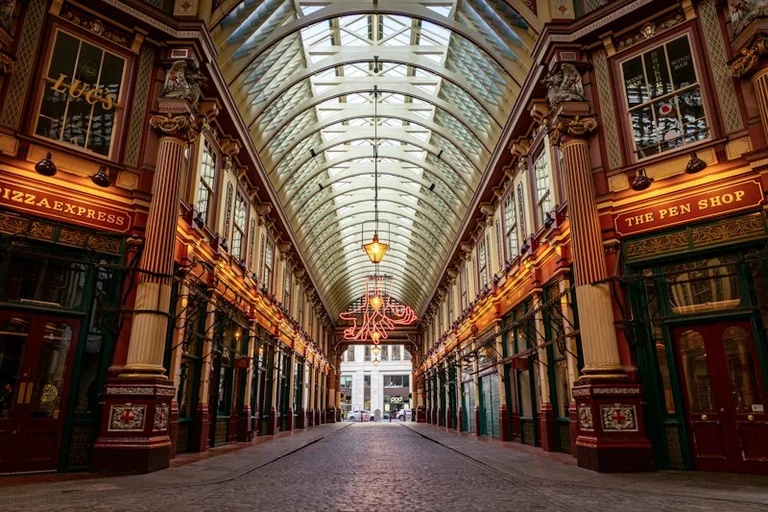
Rebuilding reshaped London’s streets and buildings
After the fire, London faced the task of replacing homes and other buildings across a devastated part of the City. Rebuilding brought pressure to use safer construction and improve the urban environment. The disaster became an important turning point in the city’s history because it made the risks of closely packed, combustible buildings impossible to ignore.
The changes that followed were not simply a clean redesign of the entire city. London’s familiar street pattern and property boundaries mattered, as did the practical need to rebuild. The fire influenced later thinking about building materials, street planning and fire prevention, but its effects unfolded through decisions made during reconstruction and in the years that followed.
This distinction matters: the fire created a powerful reason to change, while the city’s actual rebuilding had to work within the realities of an existing urban landscape. Its legacy is therefore found in both the plans and safety measures that followed and in the compromises of restoring a working city.
A lasting lesson in fire safety
The Great Fire made fire safety a civic concern. It highlighted the danger of combustible construction and crowded streets, and it helped drive a longer shift toward safer building practices and more deliberate urban planning. Later fire prevention measures belong to that legacy, even though the disaster itself did not instantly eliminate the risk of urban fires.
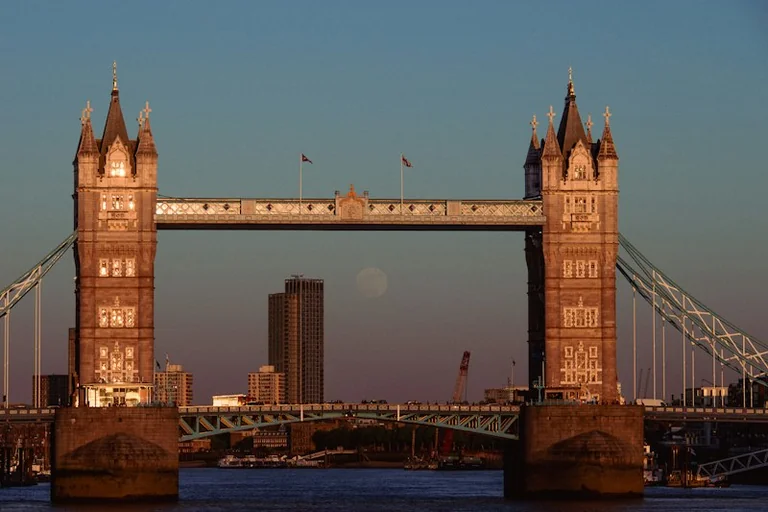
For Londoners, the aftermath involved more than replacing lost buildings. It prompted questions about how a city should be built, how its streets could function, and how future fires might be prevented or contained. Those questions remain relevant to the history of the City of London, where the built environment reflects successive periods of growth and rebuilding.
What the fire changed—and what remains uncertain
The central historical points are straightforward: the Great Fire started in Pudding Lane on 2 September 1666, burned for several days and destroyed a large part of the City of London. Its aftermath influenced rebuilding, urban planning and fire safety.
The details of individual episodes and popular legends need more careful treatment than the broad chronology. The Museum of London’s account is a useful place to check the event’s origins, course and effects. The next milestone in the story is the rebuilding itself: how London replaced what had been lost while adapting the city to the lessons of 1666.
Source: Museum of London
Context & actions About this article
Source check Historical context
This explainer uses the Museum of London’s historical materials for the fire’s origins, course and effects, while treating familiar legends cautiously.
- The fire began in Pudding Lane on 2 September 1666
- It burned for several days
- It destroyed a large part of the City of London
- The account distinguishes broad chronology from uncertain legend
- Source
- Museum of London
- Scope
- City of London, England
- Updated
- 2026-10-20 08:24
Source check
Report a trust issue
Send a clear signal to community moderation if the source, facts or context need review.
Comments