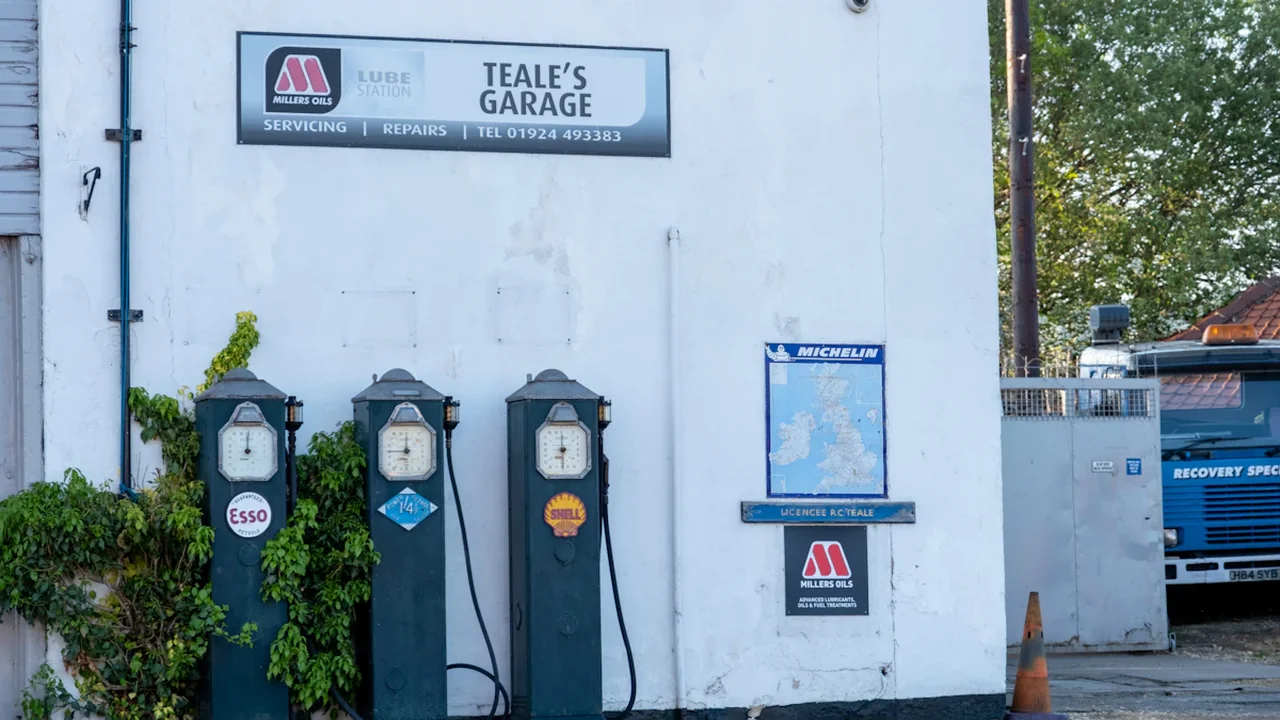
Longer school runs, commutes and weekend trips can make a small difference at the pump feel expensive. The most useful way to cut fuel costs is to compare nearby prices on the day, avoid unnecessary miles and make a few basic vehicle checks before setting off.
National fuel-price headlines can signal a wider trend, but they do not tell you what every local forecourt charges. Prices can differ between stations on the same route, so use current local listings and date-stamp any comparison you make.
Compare the forecourts you can actually use
Check prices at stations near home, work and your planned route before filling up. Include a detour only if its fuel saving is likely to outweigh the extra distance and time.
Use this simple on-the-day template rather than relying on an old national average:
| Fuel and station type | Price seen today | Location or route | Notes |
|---|---|---|---|
| Petrol, supermarket forecourt | ___ p/litre | ___ | Queue, opening hours |
| Petrol, independent station | ___ p/litre | ___ | Loyalty offer, detour |
| Diesel, supermarket forecourt | ___ p/litre | ___ | Queue, opening hours |
| Diesel, independent station | ___ p/litre | ___ | Loyalty offer, detour |
The Competition and Markets Authority monitors competition in the road-fuel market. GOV.UK also publishes road-fuel price information, which can help drivers understand the wider market, but local displayed prices remain the figure that matters when you buy.

Make quick vehicle checks before leaving
Set tyre pressures when tyres are cold
Use the pressures stated in the vehicle handbook, fuel-flap label or door-frame sticker. Under-inflated tyres can increase rolling resistance and may affect handling and tyre wear. Check all four tyres and, where relevant, the spare.
The AA’s fuel-saving advice also supports straightforward maintenance and smoother fuel-saving driving habits. Avoid carrying heavy items you do not need, particularly for routine trips, and remove roof equipment when it is not required.
Plan the journey to avoid wasted fuel
Before a longer journey, check the route for roadworks, closures and predictable congestion. A slightly longer but steadier route may sometimes use less fuel than repeated stop-start traffic, although the answer depends on distance, traffic and the vehicle.
- Combine nearby errands instead of making separate trips.
- Leave enough time to avoid harsh acceleration and late braking.
- Use the highest appropriate gear without labouring the engine.
- Avoid extended idling while waiting, where it is safe and lawful to switch off.
For a family journey, compare prices again shortly before departure and keep the date beside your notes. That gives you a more useful benchmark than a national headline and helps show whether a cheaper station is genuinely worth the diversion.
Source: GOV.UK
Context & actions About this article
Source check Price-checking guide
This guide uses GOV.UK road-fuel information and AA fuel-saving advice; forecourt prices should be checked and dated on the day.
- Compare displayed prices at nearby forecourts on the day you fill up.
- Check tyre pressures against the vehicle manufacturer's guidance.
- Review the route for closures, congestion and unnecessary detours.
- Source
- GOV.UK road fuel prices
- Scope
- United Kingdom
- Updated
- 2026-09-13 08:59
Source check
Report a trust issue
Send a clear signal to community moderation if the source, facts or context need review.


Comments