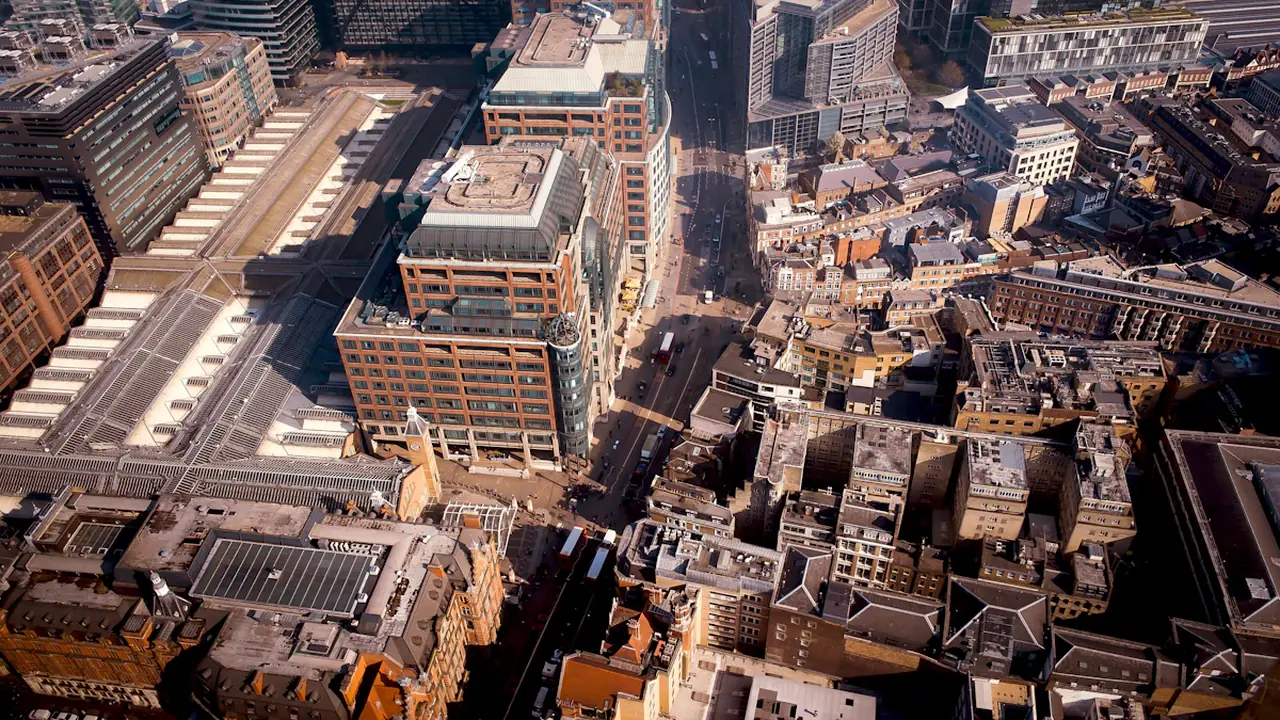
The London Design Festival returns on Saturday, 12 September 2026, once again transforming the capital into a vast, interconnected map of installations, exhibitions, and design districts. With the programme spread across multiple boroughs, the primary challenge for attendees is not finding events, but avoiding the exhaustion of cross-town travel. Success at the festival requires a shift from a “see-it-all” mindset to a geographically focused itinerary.
Prioritise Geography Over Variety
Instead of attempting to visit every corner of the city, group your interests by neighbourhood. The official London Design Festival website categorises exhibitions by district, which is the most effective way to build a compact, manageable route. By choosing one or two central hubs for your day, you significantly minimise time spent on public transport and reduce the risk of travel-related fatigue. Aim to cluster your visits within a single borough to maximise your time on the ground.
Distinguish Between Display Types
Not all events operate on the same terms, and understanding these differences is vital for a smooth experience. Categorise your list into two distinct types:
- Walk-in installations: These are typically public-facing, outdoor, or foyer-based displays that require no prior planning or ticketing. These are ideal for filling gaps in your schedule.
- Bookable activities: Workshops, curator talks, and private viewings often reach capacity weeks in advance.
Always check the specific venue page for ticketing requirements before you leave. If an event is reservation-led, ensure you save your booking confirmation offline. Mobile signal can be notoriously unreliable in crowded exhibition spaces or historic buildings, and having your digital ticket ready to display avoids unnecessary delays at entry points.
Build a Flexible Daily Schedule
Programme details can shift as the opening weekend approaches. We recommend checking the status of your chosen venues directly on the morning of your visit via the official festival channels. A robust strategy involves mixing one high-priority, ticketed event with several flexible, open-access installations. This balance ensures that a single cancellation or transport delay does not disrupt your entire day.
Accessibility and Logistics
Factor in significant transfer times between districts when planning your route. London’s transport network experiences increased pressure during the festival, so allow at least 45 minutes to move between major zones. Before departing, confirm the accessibility of your chosen venues. Some historical sites or temporary pop-up spaces may have limited step-free access or specific entry requirements that differ from standard public buildings. Checking these details in advance prevents arriving at a site only to find it unsuitable for your needs.
Source: London Design Festival
Context & actions About this article
Source check Planning Methodology
This guide uses official festival scheduling practices to help attendees manage the citywide programme.
- Review official neighbourhood district maps
- Verify individual venue opening hours
- Confirm accessibility requirements for specific sites
- Source
- London Design Festival
- Scope
- London, United Kingdom
- Updated
- 2026-09-11 07:39
Source check
Report a trust issue
Send a clear signal to community moderation if the source, facts or context need review.




Comments