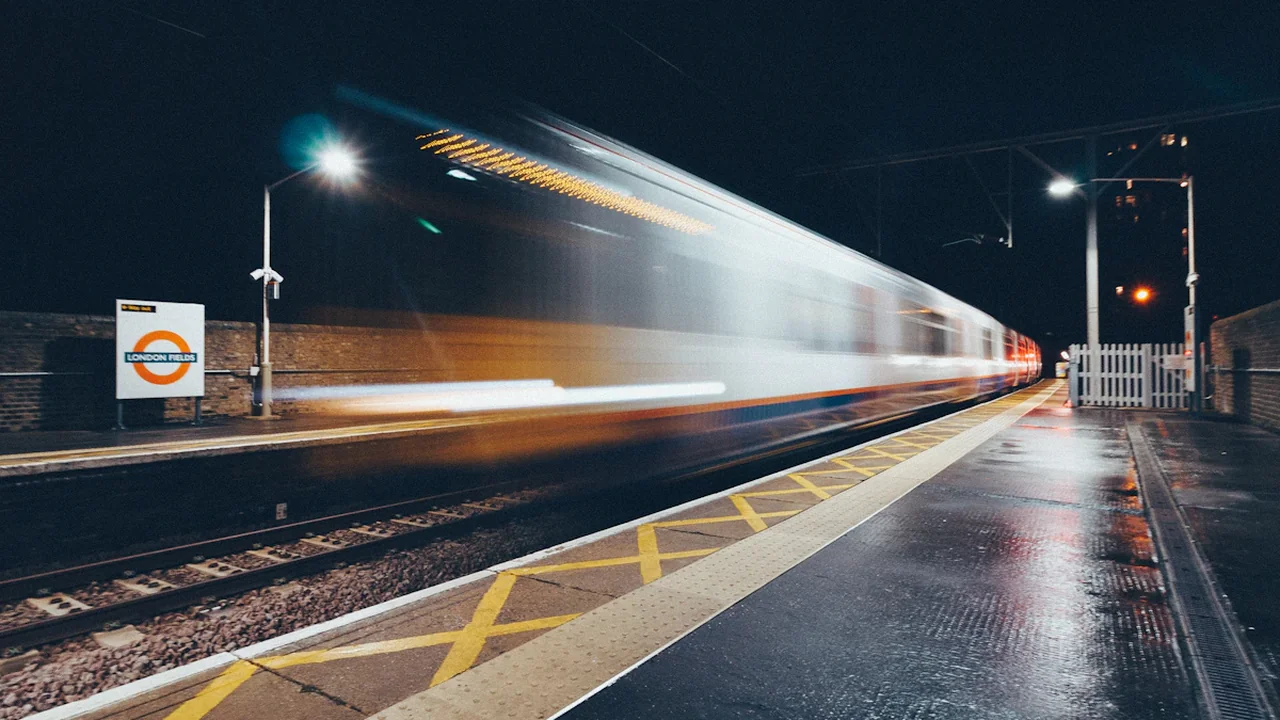
A train begins moving just as you reach the platform. The doors stay closed, the carriages disappear, and the station clock seems to confirm that the opportunity has gone. Dreaming about missing a train is not a prediction. It may instead reflect pressure around deadlines, shared expectations or a choice that feels difficult to reverse.
By the GlobeBids Culture Desk | Updated September 1, 2026
The image can feel especially relevant in early September, when work, school and university routines resume after summer. Calendars become crowded, departure times matter again, and decisions postponed during quieter weeks may suddenly appear urgent.
Read also: Recurring Dreams About Water: What They Reveal About Your Wellbeing
Why a missed train can resemble deadline anxiety
Rail travel is organised around fixed timetables. Unlike a walk or an unplanned drive, a scheduled train is expected to leave at a particular minute, whether or not every passenger is ready. That structure makes the railway a natural mental image for deadlines that appear external and non-negotiable.
The dream may emerge when someone is preparing for an examination, returning to work, applying for a position or trying to finish a project. It can also accompany smaller pressures: getting children ready for school, coordinating a commute or waiting for another person to make a decision.
The important detail is not necessarily the train itself. It is the relationship between the dreamer and the schedule. Were you late because you overslept, became lost, packed too much or stopped to help somebody? Each version points towards a different possible association.
For example, searching endlessly for the correct platform may resemble uncertainty about priorities. Running while carrying heavy luggage could suggest that existing responsibilities are making a new commitment harder to reach. Watching the train leave without trying to stop it may carry relief rather than anxiety.
Lost choices may matter more than lateness
A railway line offers movement, but it also follows a predetermined route. Missing one service can therefore represent more than poor timing: it may evoke the fear that choosing one direction has closed another.
This association can appear during periods of transition. A person may be deciding whether to change jobs, begin a course, move home or continue a relationship. Even a welcome decision can produce unease because every firm choice removes some alternatives.
That does not mean the dream reveals a hidden answer. Dreams often combine recent experiences, emotions and familiar images without delivering a single message. A commuter who actually missed a train last week may simply be revisiting the frustration. Someone who associates stations with holidays could experience the same scene as disappointment about rest or freedom.
The emotional residue after waking is often more informative than a symbolic definition. Consider whether the strongest feeling was:
- Panic about being judged or falling behind
- Anger at an unfair timetable or another person
- Regret about an opportunity that seems unavailable
- Confusion about where you were meant to go
- Relief that you no longer had to make the journey
Relief changes the reading considerably. It may suggest that the supposed opportunity felt more like an obligation. Anger may direct attention towards conditions imposed by somebody else, while regret can point towards an unresolved decision.

Railway symbolism changed with modern European life
Journeys have long represented tests, transitions and changes of identity in British and European storytelling. Older tales often sent travellers along roads, across forests or over water, where delays and wrong turns could signal danger, uncertainty or transformation.
Railways added a different kind of symbolism during the industrial era. The route was fixed, the timetable was public, and strangers travelled together according to a shared system. Trains could represent progress and connection, but also separation, social routine and the unsettling speed of change.
A missed departure consequently combines older journey symbolism with a modern fear of failing to keep pace. The traveller is not merely lost; they are out of step with a system that continues without them. That distinction can resonate when work or study feels governed by calendars, application windows and institutional schedules.
These cultural associations provide context, not a universal symbol dictionary. A railway enthusiast, a daily commuter and someone with a distressing memory of train travel may attach entirely different meanings to the same dream. Personal history remains more relevant than any fixed interpretation.
Record the details before choosing an interpretation
Dream memories fade quickly, so reflective journalling works best soon after waking. Write the scene as it occurred before trying to explain it. Even a few lines can preserve details that would otherwise be replaced by a more orderly story later in the day.
Four details worth capturing
- Who was travelling? Note whether you were alone, following someone or responsible for a group.
- Was another train available? A later service may suggest delay or adaptation rather than permanent loss.
- Where was the train going? Record whether the destination was known, unfamiliar or never mentioned.
- What emotion remained? Name the feeling present after waking, not only the emotion experienced inside the dream.
Then look for a current situation with a similar structure. Is there a firm deadline? Are several people following the same routine? Does one decision appear to eliminate another path? Is the pressure coming from an actual rule, or from an assumption that nobody has questioned?
Choose one real deadline and clarify it. Check the exact date, identify who controls it and ask whether the timing can be renegotiated. If it cannot move, divide the remaining work into a first action small enough to complete today. The purpose is not to obey the dream but to use its emotional pattern as a prompt for practical attention.
Recurring dreams can signal an unresolved pattern
A missed-train dream that returns may be linked to a continuing source of stress, particularly if the setting changes while the same panic remains. Tracking the dates can reveal whether it appears before weekly meetings, assessment periods, travel days or difficult conversations.
Recurring dreams alone do not establish a psychological condition. However, if repeated dreams regularly disrupt sleep, intensify anxiety or connect with a traumatic experience, discussing them with a qualified health professional may be more useful than searching for increasingly elaborate symbolism.
The next useful check is simple: notice whether the dream changes after the relevant deadline is clarified. Finding another platform, boarding a later service or feeling less distressed may reflect a changed relationship with the pressure—even if the original timetable remains the same.
Source: Editorial research
Context & actions About this article
Source check How to read this interpretation
This interpretation connects personal associations with cultural railway symbolism and should not be treated as a diagnosis or prediction.
- Compare the dream with recent deadlines or travel experiences.
- Prioritise the emotion after waking over a fixed symbolic definition.
- Seek professional support if recurring dreams repeatedly disrupt sleep or intensify distre...
- Scope
- International
- Updated
- 2026-09-18 07:32
Source check
Report a trust issue
Send a clear signal to community moderation if the source, facts or context need review.




Comments