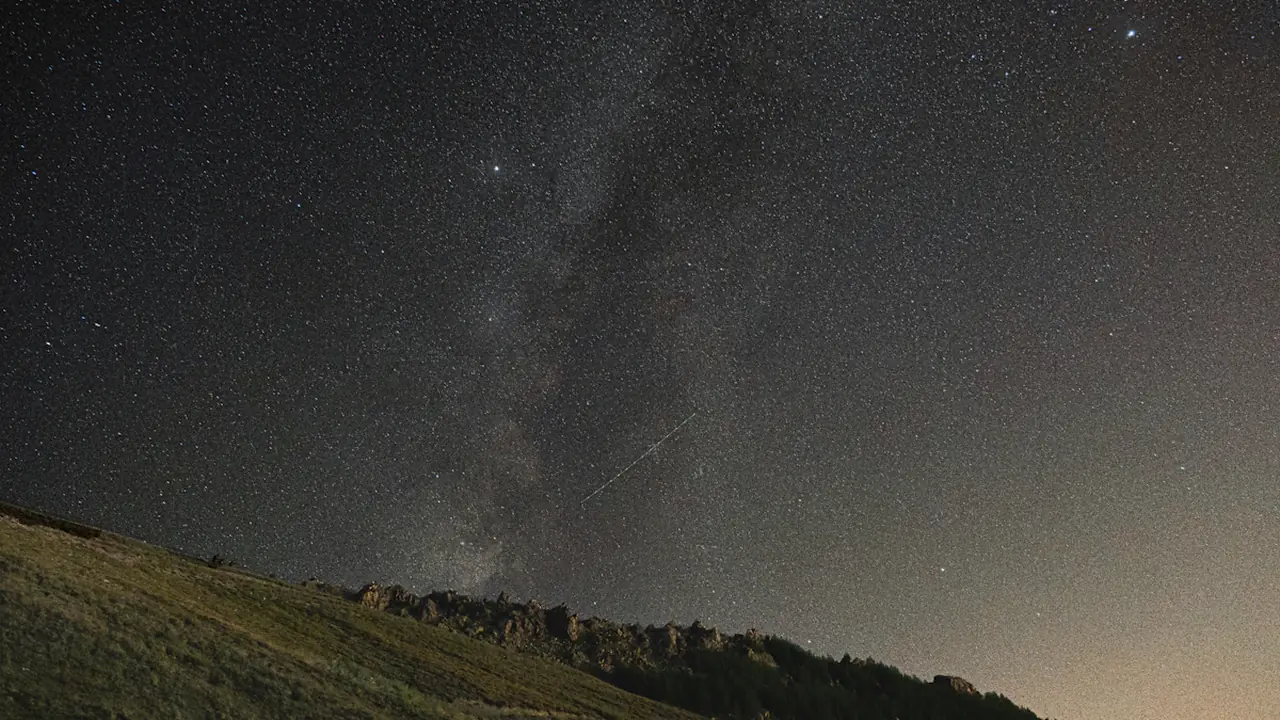
The Perseid meteor shower can be worth watching from the UK tonight if your local sky is clear enough, but the best decision is made close to departure. Check the latest cloud forecast and Moon conditions for your exact area, then choose a legal, safe place with a broad, dark view of the sky. You do not need a telescope, and no fixed meteor count can be promised because cloud, light pollution and viewing conditions vary.
Check your local sky before setting out
A clear forecast several miles away may not match the sky above your chosen spot. Use the Met Office’s location-specific forecast shortly before you leave, paying particular attention to cloud cover during the hours you plan to watch.
The Moon also matters. A bright Moon can wash out fainter meteors, while patchy cloud can make a darker site less useful than a nearer place with clearer gaps. If the forecast looks poor, it may be wiser to wait, watch from home or choose another safe location rather than make a long trip.
Read also: UK Perseids tonight: check cloud before heading out
- Check cloud cover for your viewing hour, not just the daytime forecast.
- Compare a nearby darker location with conditions where you live.
- Allow time for changes in cloud and wind after sunset.
- Keep expectations flexible: a clear, patient hour can be more rewarding than a rushed journey.
Find a wide, dark view without taking risks
The most useful viewing spot is usually one with an open horizon and as little direct artificial light as possible. Street lamps, car headlights and brightly lit buildings reduce the number of faint meteors your eyes can pick out.
Choose a permitted public place you can reach safely, such as an established viewpoint, public open space or a recognised dark-sky area where night access is allowed. Do not stop on road verges, block access routes, climb fences or enter private land without permission.
Tell someone where you are going and when you expect to return. Take warm layers even after a warm day, sturdy footwear, water and a charged phone. A dim red light is useful for reading a map or finding your way without spoiling your night vision or dazzling other viewers.
Watch with your eyes, not a telescope
The Perseids are an annual shower caused by material shed by comet 109P/Swift-Tuttle, according to NASA. Meteors appear to trace back to a point in the sky called the radiant, but they can streak across any part of the sky.
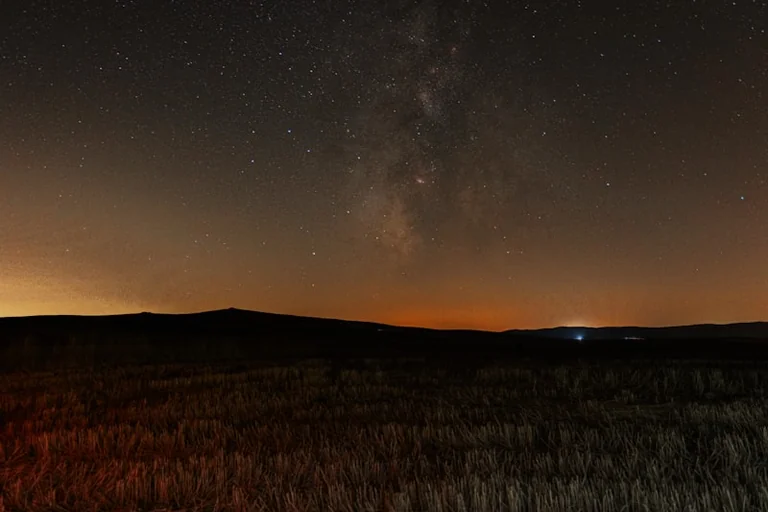
That is why a telescope is unnecessary: its narrow field of view makes it easier to miss the wider display. Lie back or use a reclining chair if possible, face the darkest open part of the sky and keep your gaze broad rather than fixed only on the radiant.
Give your eyes around 20 to 30 minutes to adapt to darkness. Avoid repeatedly checking a bright phone screen; use its red-light setting if available, or keep it put away once you are settled. Royal Museums Greenwich also advises unaided viewing under dark skies, which makes this a low-cost event when conditions cooperate.
A simple plan for the first hour
Arrive before you need to see anything, so you can park or walk safely in the remaining light. Settle in, let your eyes adjust, and watch continuously rather than scanning in short bursts. Meteor activity can be uneven, so a quiet spell does not mean the shower is over.
If clouds thicken, temperature drops sharply or the route back feels unsafe, leave early. The goal is a comfortable evening outdoors, not staying until a particular number of meteors appears.
Take this short Perseid checklist
- Check the latest local Met Office cloud forecast before travelling.
- Pick a permitted, familiar location away from direct street lighting.
- Bring warm layers, a charged phone and a dim red light.
- Skip telescopes and binoculars; use your unaided eyes and a wide view.
- Allow at least 20 minutes for your eyes to adjust.
- Avoid road verges, private land and isolated routes you cannot leave safely.
Before you go, compare the cloud forecast for home and your intended viewing spot one final time. A safe nearby place with a clear gap in the clouds is often the better Perseid plan.
Source: Royal Museums Greenwich
Context & actions About this article
Source check Viewing guidance
Perseid viewing depends on local cloud, Moon brightness, light pollution and safe access to your chosen location.
- Check the Met Office forecast for your exact location and viewing hour.
- Confirm that night access is permitted before travelling.
- Use a wide, dark view and allow time for your eyes to adapt.
- Source
- Royal Museums Greenwich
- Scope
- United Kingdom
- Updated
- 2026-08-14 18:06
Source check
Report a trust issue
Send a clear signal to community moderation if the source, facts or context need review.


Comments