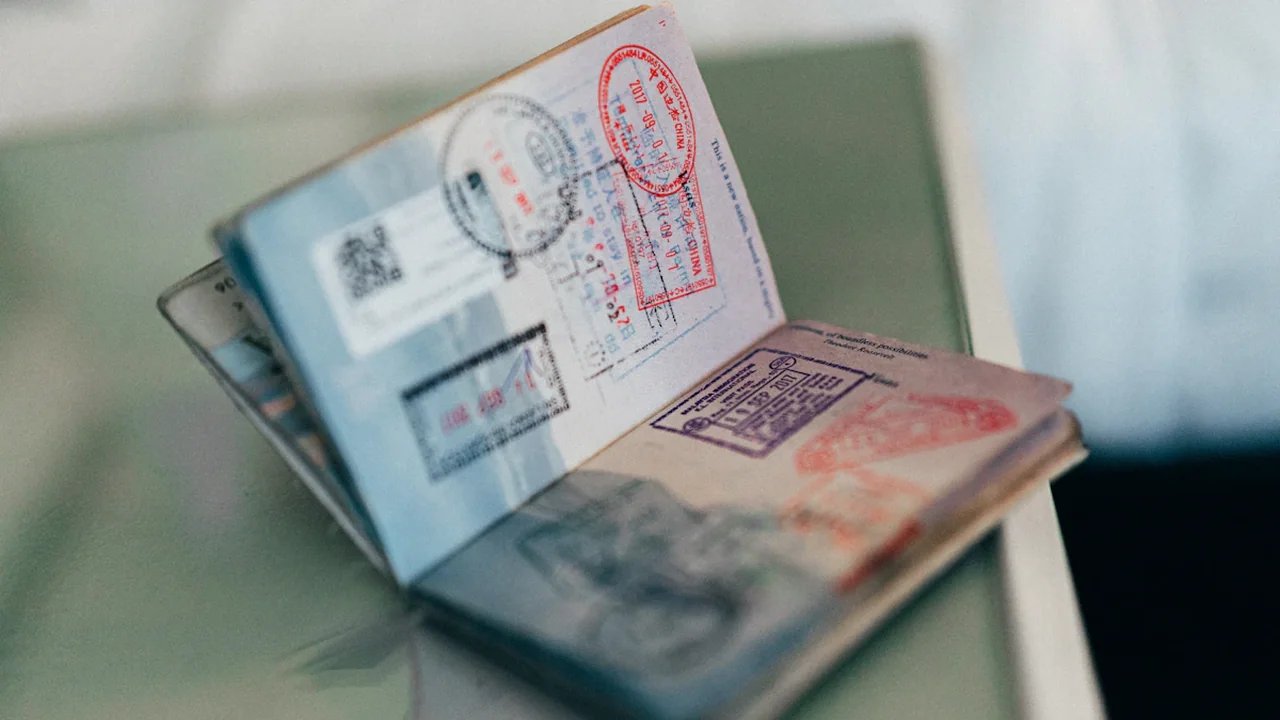
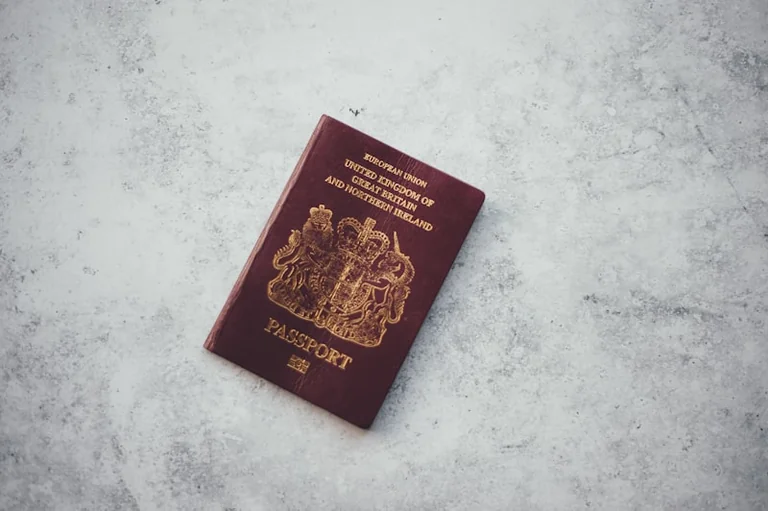
UK travellers heading to Spain for the bank holiday should check two passport dates before departure. For entry to Spain’s Schengen area, a British passport normally must have been issued less than 10 years before arrival and remain valid for at least three months after the planned departure date.
Before travelling:
- Check the issue date and expiry date independently.
- Calculate earlier Schengen visits under the 90-in-180-day rule.
- Examine every adult’s and child’s passport separately.
- Recheck the official Spain entry page immediately before departure.
Check whether the passport was issued less than 10 years ago
Count backwards 10 years from the date you expect to arrive in Spain. The passport’s issue date normally must fall within that period. A passport can therefore be unexpired but still fail this test, particularly if time was added when an older UK passport was renewed.
Do not calculate this requirement from the expiry date. Read the issue date printed on the passport itself and compare it with the planned arrival date.
Check for three months of validity after leaving Spain
Next, work forward from the date you plan to leave the Schengen area. The passport normally must expire at least three months after that departure date.
This is a separate calculation from the issue-date test. Passing one does not mean the passport automatically passes the other, and simply being valid for the dates of the holiday is not enough.
A worked date example
For an arrival in Spain on 20 August 2026 and a planned Schengen departure on 27 August 2026, the passport would normally need an issue date after 20 August 2016 and an expiry date no earlier than 27 November 2026.
The example is only a date-checking aid. Border authorities make the admission decision and may examine other entry requirements.
Earlier Schengen trips count towards the stay limit
British visitors can normally stay in the Schengen area for up to 90 days in any rolling 180-day period without a visa. This is not a fresh 90-day allowance for every holiday or calendar year.
Days spent in Spain and other Schengen countries during the relevant previous 180 days count together. Frequent travellers should list their entry and exit dates before booking or departing, including short breaks and trips made through another Schengen country.
Check children’s passports separately
Children’s passports have their own issue and expiry dates and often expire sooner than adult passports. Families should inspect each document individually rather than assuming passports renewed together have identical validity.
Also confirm that names and booking details match the relevant travel documents.
Recheck Spain’s official entry guidance before departure
Consult the Foreign, Commonwealth & Development Office’s live Spain entry-requirements page immediately before travelling. Requirements, border procedures and electronic systems can change, while transport providers may conduct their own document checks.
These rules describe Spain’s Schengen entry guidance and should not be applied automatically to non-Schengen destinations. Meeting the date and stay conditions does not guarantee entry; the final decision rests with border authorities.
Source: Foreign, Commonwealth & Development Office
Context & actions About this article
Source check Official travel guidance
This guide applies the FCDO’s Spain entry guidance to the passport and Schengen-stay checks UK travellers need to make.
- Compare the passport issue date with the planned arrival date.
- Confirm at least three months of validity after the planned Schengen departure.
- Include previous Schengen visits in the rolling 180-day calculation.
- Review the live official page immediately before travel.
- Source
- Foreign, Commonwealth & Development Office
- Scope
- United Kingdom and Spain
- Updated
- 2026-08-29 13:23
Source check
Report a trust issue
Send a clear signal to community moderation if the source, facts or context need review.




Comments