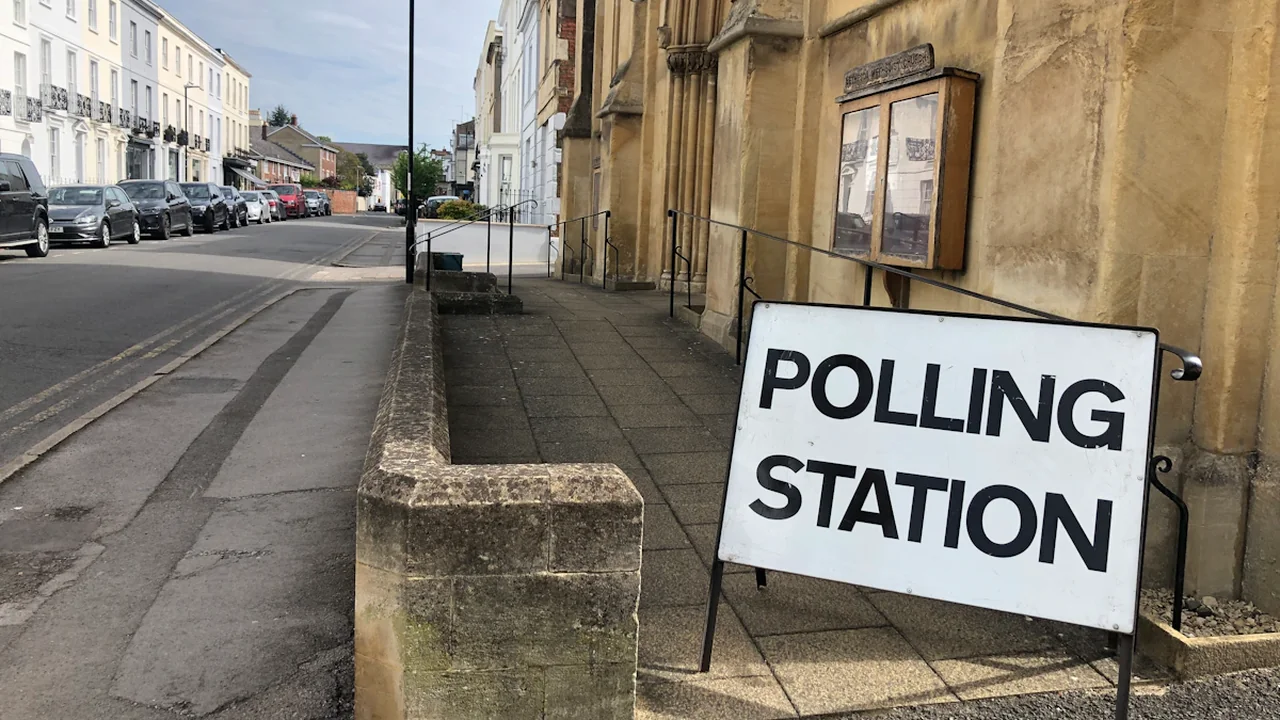
The UK has a legal route to an early general election, but no election follows automatically from that fact. The Dissolution and Calling of Parliament Act 2022 provides the framework for dissolving Parliament and calling a general election. For this forecast, the decisive event is polling for a UK general election on or before 31 December 2027. A dissolution announcement alone would not meet that deadline.
The question is about polling day
This forecast asks one narrow question: Will voters go to the polls in a UK general election by 31 December 2027? It concerns an election for MPs to the House of Commons across the United Kingdom. It does not turn on speculation about when an election might be announced.
- YES: Polling for a UK general election takes place on or before 31 December 2027.
- NO: No UK general election polling takes place by the end of that date.
- Decisive check: The published polling date for a UK general election, supported by official election information and the resulting House of Commons election record.
The cutoff is inclusive. Polling on 31 December 2027 would count as YES; polling on 1 January 2028 would not. That distinction matters because an election can be set in motion before voting happens. Readers following an announcement should check the date on which voters are due to cast their ballots.
How Parliament can reach an early election
The 2022 Act sets the statutory framework for the dissolution and calling of Parliament. Dissolution brings a Parliament to an end ahead of a general election. The election then gives voters the opportunity to choose MPs for a new House of Commons.
That framework makes an early election legally possible. It does not say one will occur before the forecast deadline. Political decisions, the formal steps leading to an election and the date ultimately set for polling all matter to the outcome. Treating the existence of the Act as evidence that a 2027 election is planned would go beyond what the cited legislation establishes.
An early election would change the timetable for choosing MPs and could bring forward decisions about the direction of national policy. It would also affect parties, candidates, election administrators and voters preparing for a nationwide poll. Those consequences explain why a credible election date matters more than speculation about the timing of a political announcement.
Dissolution and polling are different events
A statement that Parliament will be dissolved signals a move toward an election. Dissolution itself is a formal step in that process. Polling day is when voters cast their votes. These dates should not be used interchangeably when judging whether this forecast has been met.
Consider an announcement in late 2027 that sets polling for early 2028. The announcement would fall before the deadline, but the vote would fall after it, so the forecast would resolve NO. If polling instead takes place in December 2027, it would resolve YES even if the results are declared after the deadline. The test is when polling takes place, not when every count finishes.
Which elections would count?
The forecast is limited to a UK general election: a nationwide election for the House of Commons. A parliamentary by-election fills a seat between general elections and would not count, even if voters in that constituency go to the polls before the deadline. Nor would a local or devolved election, because those contests do not elect a new House of Commons.
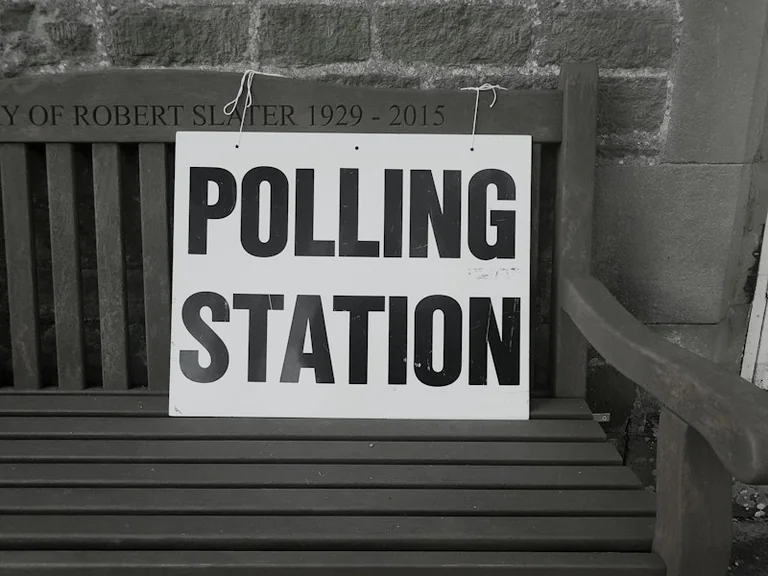
This scope prevents an ordinary election notice from being mistaken for the event in question. Voters may encounter several kinds of ballot before the end of 2027. The useful checks are whether the contest is identified as a UK general election and whether its official polling date falls within the stated period.
An election date announced before the deadline remains a forward-looking fact until polling happens. Plans and timetables can be discussed publicly, but the resolution rule calls for the vote itself. If there is uncertainty about a proposed date, the published polling information is more useful than a prediction about when Parliament might end.
What supports YES, and what supports NO?
A YES outcome requires public evidence that polling for a UK general election occurred no later than 31 December 2027. An official election timetable would establish the intended polling date; official information about the election and its results would provide the clearest confirmation that the vote took place. The date, the type of election and the fact of polling must all match the question.
A NO outcome follows if the deadline passes without such polling. That includes a case in which an early election is announced during 2027 but scheduled for 2028. It also includes a case in which there is political pressure for an election, yet no UK general election takes place by the cutoff.
These paths do not require a view about which party might win, how many seats might change hands or why an election might be called. They require an observable event by a fixed date. Until a polling day within the window actually occurs, the legal possibility of an election and the forecast outcome remain separate questions.
Why the deadline matters beyond the forecast
For voters, the practical difference between a late 2027 vote and a 2028 vote is more than a calendar detail. A general election gives the public a new opportunity to choose MPs. Moving that opportunity forward could alter when a new House of Commons begins its work and when the next government seeks to advance its priorities.
The deadline also guards against reading too much into developments that stop short of polling. Political statements, campaign preparations and discussion of dissolution may indicate that an election is being considered. None establishes that voters will face a general election by the end of 2027. Equally, the absence of an announcement today does not prove that the deadline cannot be met.
The next decisive information would be an official UK general election polling date. If one is announced, compare it with 31 December 2027, then check whether polling takes place as scheduled. That single date determines whether an early election answers this forecast with YES or NO.
Source: UK legislation
Context & actions About this article
Source check How the forecast is checked
The 2022 Act establishes the legal framework; the outcome depends on whether UK general election polling occurs by 31 December 2027.
- Confirm that the contest is a UK general election for the House of Commons.
- Check the officially published polling date against 31 December 2027.
- Confirm through official election information that polling took place.
- Source
- UK legislation: Dissolution and Calling of Parliament Act 2022
- Scope
- United Kingdom
- Updated
- 2026-10-02 09:59
Source check
Report a trust issue
Send a clear signal to community moderation if the source, facts or context need review.


Comments