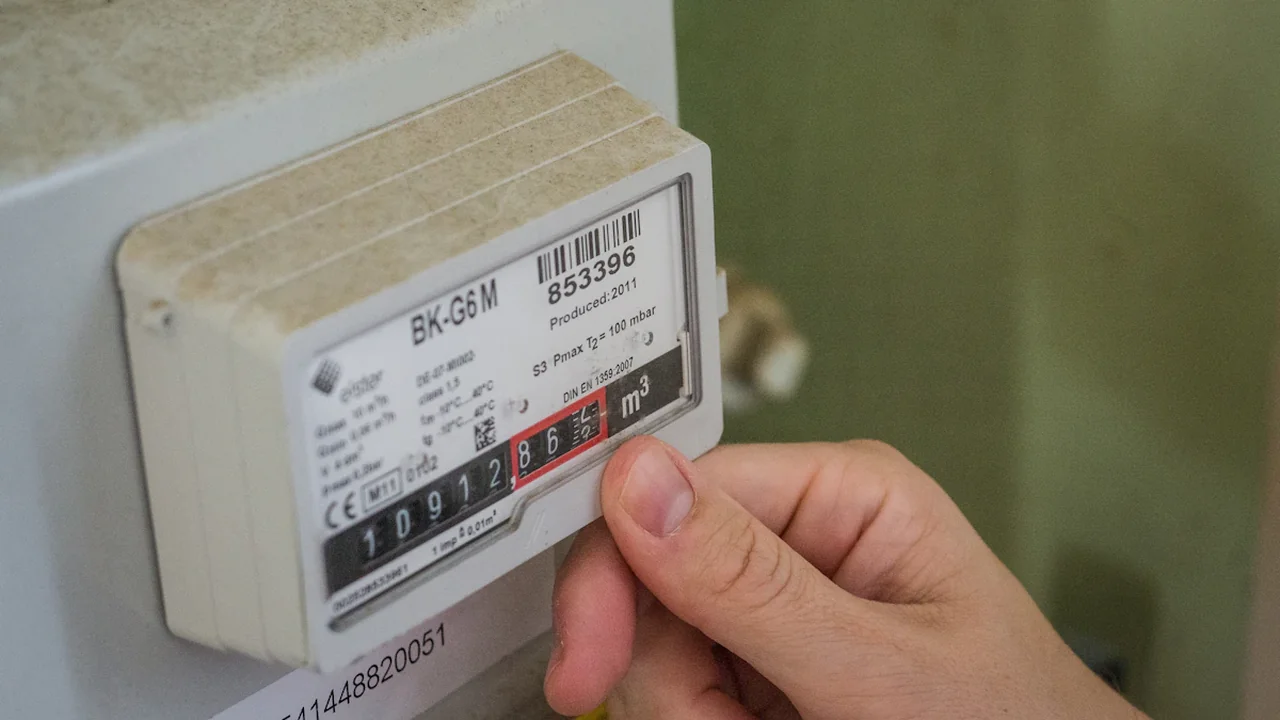
As of 22 August 2026, Ofgem’s energy price cap limits what suppliers can charge per unit of gas or electricity and for daily standing charges on default tariffs. It does not limit a household’s total bill: using more energy still means paying more.
By GlobeBids Personal Finance Desk | 22 August 2026
The annual cap figure is an illustration, not a bill guarantee
Ofgem’s headline annual figure represents what a household with typical consumption would pay at capped rates. It is not a maximum, a fixed quotation or an amount every customer will pay.
Your actual cost is broadly calculated as:
- energy used × the applicable unit rate;
- plus the standing charge for each day;
- plus or minus any account adjustments.
A larger home, intensive heating or faulty appliance can push costs above the illustration. Lower usage can reduce the consumption element, although standing charges remain payable while the supply is active.
Default-tariff protection depends on tariff and payment method
The cap protects domestic customers in Great Britain who are on a supplier’s default tariff, including standard variable tariffs. Separate capped rates apply according to region, fuel, meter arrangements and whether payment is by direct debit, standard credit or prepayment.
A fixed tariff is generally governed by its agreed prices during the fixed term rather than the cap. Northern Ireland has a separate energy market and regulatory system.
Check the current Ofgem price-cap page for the relevant cap period, then compare it with the unit rates and standing charges shown on your bill or supplier account. Economy 7 and other multi-rate customers should check each day and night rate.
Four checks that can explain an unexpectedly high bill
- Submit fresh meter readings unless a communicating smart meter is already sending accurate readings.
- Mark estimated readings on the bill and ask the supplier to recalculate using actual figures.
- Review whether the direct debit reflects recent consumption, account credit or debt, and seasonal usage.
- Confirm the tariff name, payment method, region and meter type used to set the rates.
A direct debit is a payment plan, not the final measure of energy consumed. Ask for the calculation if a supplier proposes a substantial change.
How to challenge billing errors and seek support
Complain to the supplier first and keep bills, readings, photographs and correspondence. If the dispute remains unresolved, follow the supplier’s complaints process and consider the Energy Ombudsman after a final response or the applicable waiting period.
Ofgem says back-billing protections may prevent a domestic customer being charged for energy used more than 12 months earlier when the supplier failed to bill correctly. Exceptions can apply, including where the customer obstructed accurate billing or failed to pay properly issued charges.
Citizens Advice can provide independent guidance and help households check eligibility for benefits, supplier hardship funds or other energy support. People who are elderly, disabled, chronically ill or otherwise vulnerable should also ask whether they qualify for the Priority Services Register.
Source: Ofgem
Context & actions About this article
Source check Official guidance
This explainer uses Ofgem guidance on capped tariff charges and domestic back-billing protections.
- Confirmed that the cap limits unit rates and standing charges rather than total bills.
- Distinguished the illustrative annual figure from a guaranteed household cost.
- Checked Ofgem guidance on possible protection from older back-billed charges.
- Source
- Ofgem energy price cap
- Scope
- United Kingdom
- Updated
- 2026-08-24 16:43
Source check
Report a trust issue
Send a clear signal to community moderation if the source, facts or context need review.




Comments