By GlobeBids Consumer Desk | Published 15 August 2026
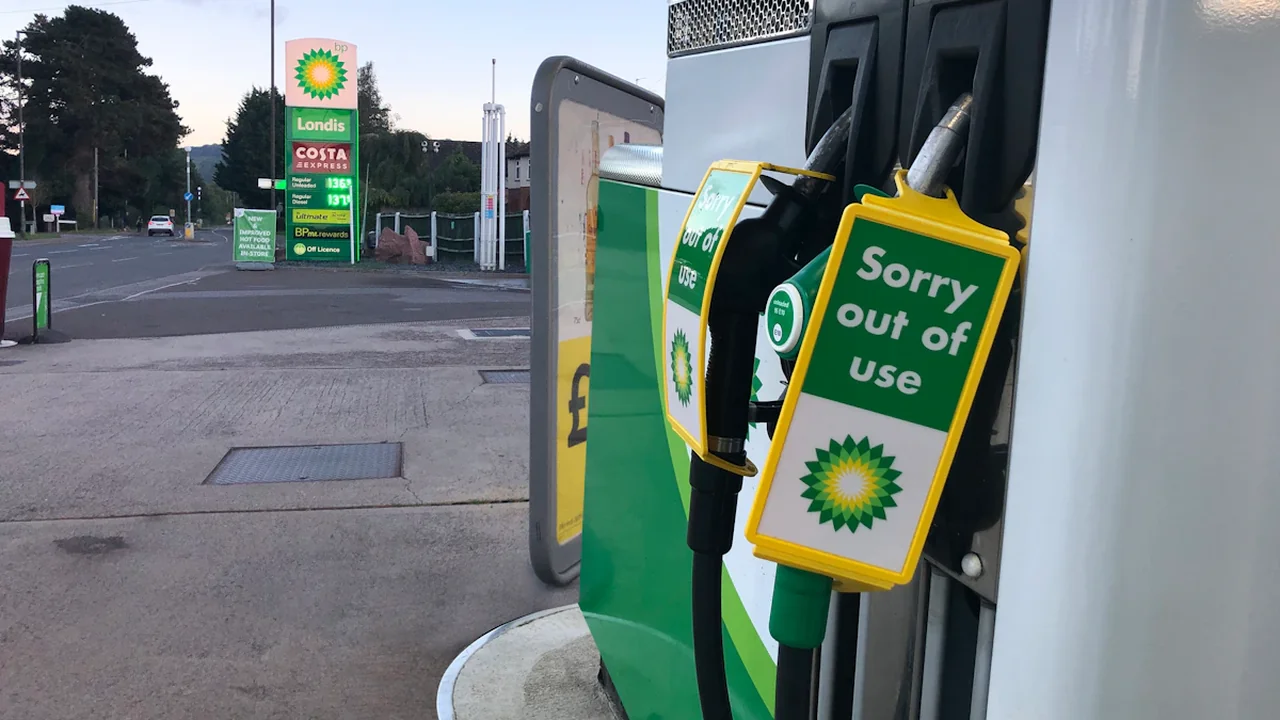
UK petrol prices have shifted only marginally in the latest weekly trend reported by the RAC, affecting drivers planning mid-August journeys and household fuel budgets. The direction and exact size of the change cannot be responsibly quantified from the dated evidence cited here, making the RAC average for 31 August 2026 the next meaningful comparison.
- Petrol has recorded marginal weekly movement in the RAC data.
- National averages do not show what every local forecourt charges.
- No dated supermarket-chain averages are available for a reliable cheapest-retailer ranking.
- The next test is whether the RAC petrol average rises by 31 August.
What the latest RAC figures mean for drivers
The RAC Fuel Watch information, updated on 14 August 2026, reports current average UK fuel-price trends. No exact pence-per-litre figure or numerical week-on-week change is contained in the confirmed evidence available for this report, so those statistics have not been estimated.
A marginal national movement does not prove that prices are stable everywhere. Pump prices can vary between towns, motorway services, independent stations and supermarkets. A national average can also move even when one local retailer keeps its price unchanged.
The same limitation applies to diesel. The RAC monitors average UK fuel costs, but the evidence cited here does not support a precise diesel change for the week. Drivers should therefore treat any unreferenced claim about a nationwide rise or fall cautiously.
Supermarket prices cannot yet support a cheapest-chain ranking
A useful supermarket comparison needs dated, like-for-like averages covering the same fuel grade and reporting period. The available RAC evidence does not provide those chain-level figures.
| Retailer | Dated average price in cited evidence |
|---|---|
| Tesco | Not stated |
| Asda | Not stated |
| Sainsbury’s | Not stated |
| Morrisons | Not stated |
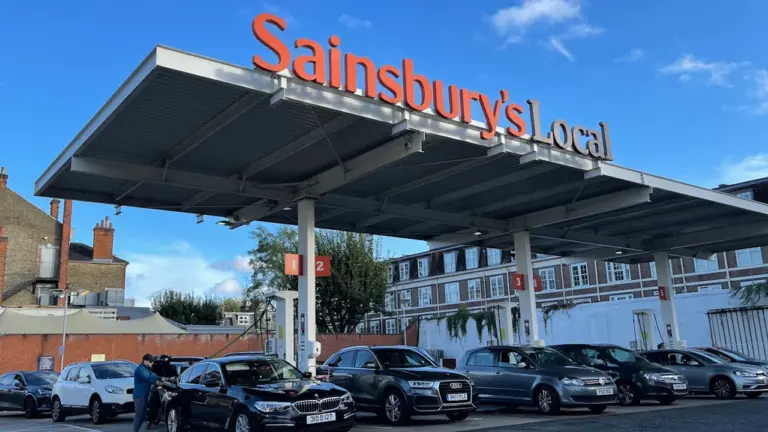
This table is an evidence check, not a price ranking. It would be misleading to name a cheapest supermarket using undated observations, isolated forecourts or prices collected under different conditions.
Local comparison can still save money. Check the displayed price for the required fuel grade before entering a station, but include the cost of reaching it. A station charging 3p less per litre saves £1.35 on 45 litres; a lengthy detour could consume much of that saving.
Oil, sterling and summer travel can influence the pump
Crude-oil movements can affect wholesale fuel costs, but changes at the pump are not necessarily immediate. Refining, distribution, existing stock and retailer pricing decisions can create a delay between an international market move and a forecourt adjustment.
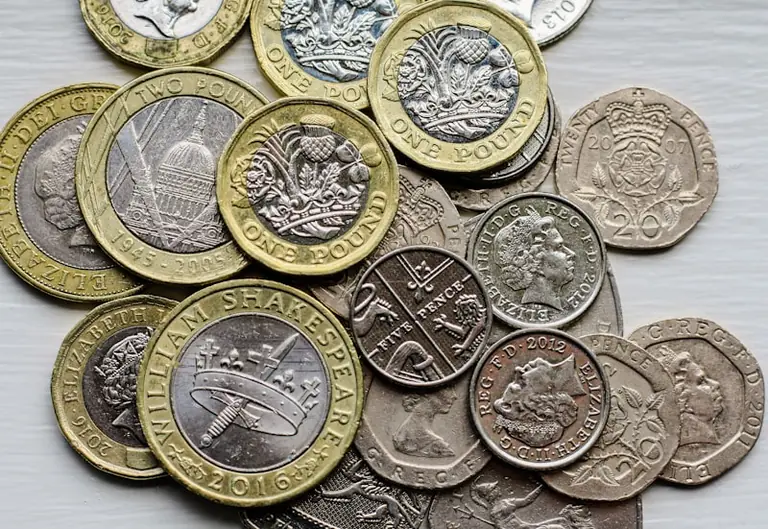
Sterling also matters because oil is commonly traded in US dollars. A weaker pound can make imported fuel inputs more expensive even if the dollar price of oil changes little. Conversely, favourable currency movement can reduce some pressure without guaranteeing an immediate retail cut.
Seasonal travel may influence demand during the summer holiday period. Local competition can matter as well: several nearby forecourts may respond differently from an area with fewer alternatives. These are established price mechanisms, but the RAC evidence cited here does not establish which one caused this week’s marginal movement.
The 31 August comparison has a clear test
The forecast question is whether the RAC’s published UK average unleaded petrol price for 31 August will be higher than its corresponding average for 15 August.
- Baseline: RAC UK average unleaded petrol price dated 15 August 2026.
- Deadline: 31 August 2026.
- YES: The RAC average dated 31 August is strictly higher.
- NO: It is equal to or lower than the 15 August average.
- Resolution: The RAC Fuel Watch average assigned to 31 August, using the same unit and fuel category.
The numerical 15 August baseline must be preserved before the comparison is activated. If the RAC does not publish a value for 31 August, the outcome should remain unresolved rather than being inferred from another date or a different source.
For households, the practical next check is the RAC’s end-of-month average alongside actual prices at nearby forecourts. That comparison will show whether mid-August’s limited movement developed into a broader change or remained a small fluctuation.
Source: RAC
Context & actions About this article
Source check Data and forecast check
The report separates confirmed RAC trends from figures that are unavailable and defines a date-specific end-of-month comparison.
- The RAC Fuel Watch evidence is dated 14 August 2026.
- No supermarket average is attributed without dated chain-level evidence.
- The forecast uses the same RAC fuel category and unit on both comparison dates.
- An unavailable 31 August value will not be inferred from another date.
- Source
- RAC Fuel Watch
- Scope
- United Kingdom
- Updated
- 2026-08-15 13:21
Source check
Report a trust issue
Send a clear signal to community moderation if the source, facts or context need review.



Comments