
A hypothetical 5p-per-litre saving is worth £2.50 on 50 litres—before the cost of reaching a cheaper station. For UK drivers budgeting this week, the latest official release covers the week commencing 5 October 2026. Use the national average as a benchmark, then check your local pump price and the litres you actually expect to buy.
By GlobeBids Editorial. Published 8 October 2026.
What the 6 October fuel-price release covers
The Department for Energy Security and Net Zero (DESNZ) updated its weekly road-fuel publication on 6 October 2026, publishing average UK retail pump prices for the week commencing Monday 5 October.
The publication covers petrol and diesel. Its weekly averages help drivers put a local price into national context and estimate household transport spending. They are not quotes from individual filling stations, and the publication date does not establish whether either fuel became cheaper or more expensive.
The release information available here does not include the dataset’s petrol and diesel values. Consequently, this article cannot give a verified numerical comparison between the two fuels or report a week-on-week movement. The linked dataset is where readers can check those figures before using them in a budget.
Keep the dates separate: 6 October is the publication update date, while 5 October identifies the start of the week covered. Neither means that every station was charging the national average when you read the figures.
Calculate the cost of the litres you will buy
The calculation is straightforward:
Litres purchased × pence per litre ÷ 100 = pounds spent.
For a 50-litre purchase, multiply the displayed price in pence by 50, then divide by 100. Alternatively, divide the pence-per-litre figure by two: that gives the cost in pounds for exactly 50 litres.
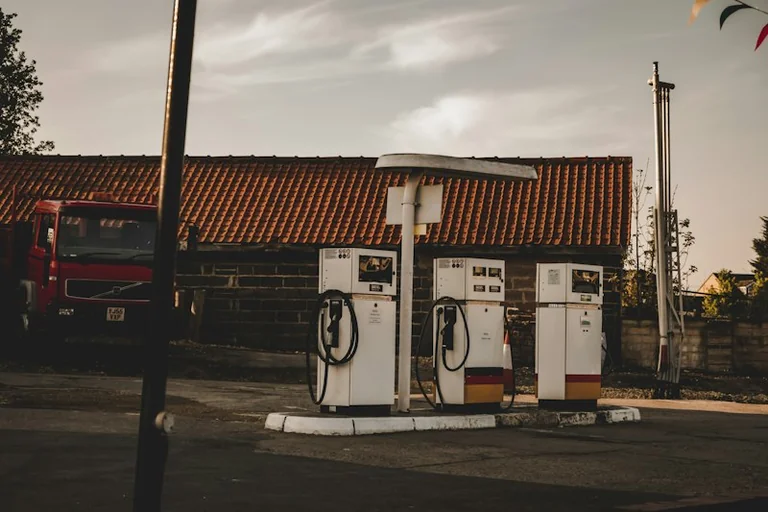
Use your expected purchase volume, rather than automatically using your car’s full tank capacity. If fuel remains in the tank, topping up will require fewer litres. A budget based on an empty tank can therefore overstate the amount you need that day.
The same calculation measures a price difference. In a clearly hypothetical example, two stations differ by 5p per litre. Across 50 litres, the saving is 50 × 5 ÷ 100 = £2.50. Across 20 litres, it is £1. These are arithmetic examples, not reported pump prices.
Why your nearest station can differ from the average
A UK average combines prices across the national market. Your bill depends on one station, the fuel you select and the price displayed when you fill up. A national figure cannot establish the cheapest available option along your route.
Compare like with like. Check that both prices refer to the same fuel grade, and confirm any conditions attached to a discount. A premium fuel price or an offer requiring membership may not match the ordinary purchase you are budgeting for.
For a realistic estimate, start with a current local price. Use the official weekly average to judge its broader context, rather than expecting the station to match it.
Check whether the detour consumes the saving
The hypothetical £2.50 saving is the maximum benefit before extra travel. Subtract the fuel used on the additional journey and any other additional charges. Consider the extra time separately when deciding whether the trip is worthwhile.
If you know your vehicle’s consumption in litres per 100 kilometres, multiply the extra distance in kilometres by that figure and divide by 100. Multiply the resulting litres by your fuel cost in pounds per litre to estimate the detour’s fuel expense.
Count the whole additional distance, including the return journey where relevant. A cheaper station already on your route may offer more useful savings than one requiring a special trip. Before setting off, check its current price, your expected purchase volume and how much distance it adds.
Source: Department for Energy Security and Net Zero
Context & actions About this article
Source check Sources and calculations
DESNZ supplies the release timing and national scope; the 5p difference is hypothetical, and no unverified official price figures or trends are reported.
- The 6 October 2026 release covers the week commencing 5 October.
- The release information supplied does not include numerical petrol or diesel averages.
- A hypothetical 5p-per-litre difference equals £2.50 across 50 litres.
- Additional travel costs reduce the saving from a cheaper station.
- Source
- Department for Energy Security and Net Zero
- Scope
- United Kingdom
- Updated
- 2026-10-08 13:12
Source check
Report a trust issue
Send a clear signal to community moderation if the source, facts or context need review.


Comments