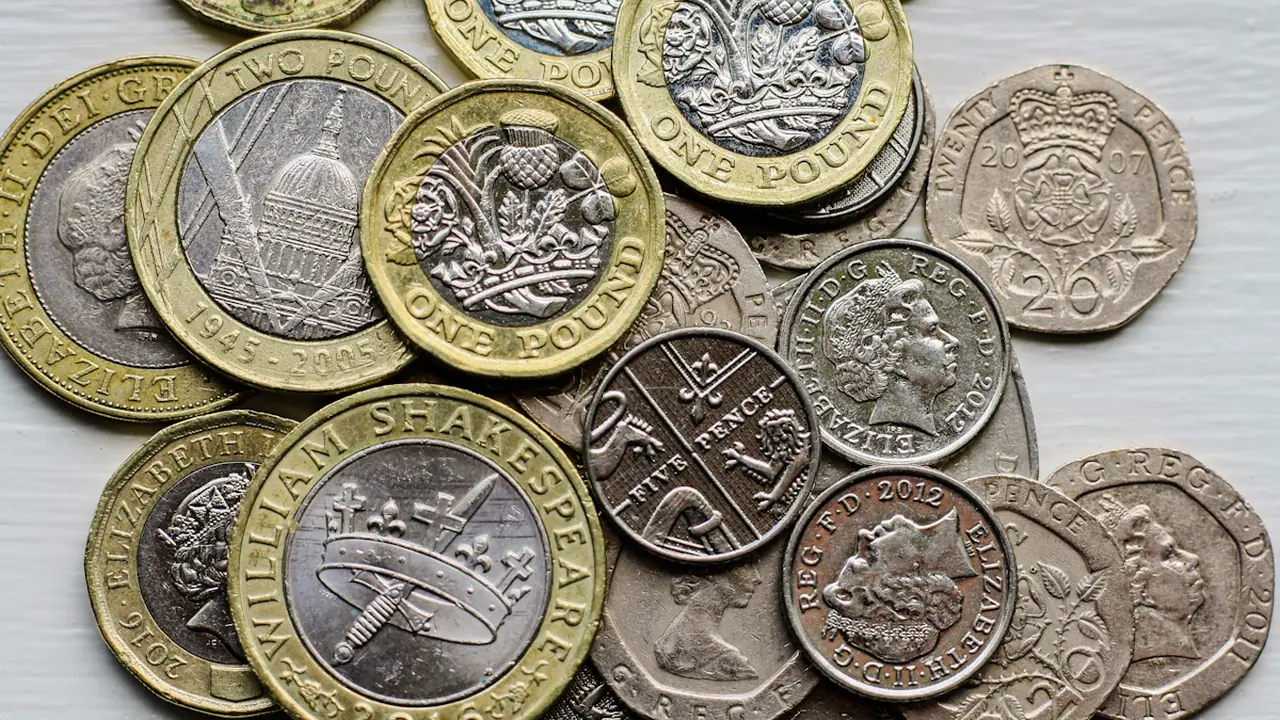
The Office for National Statistics has scheduled its UK consumer-price inflation publication covering July 2026, making the next bulletin the decisive test of whether the headline CPI rate eased after June. The forecast window closes on 18 August 2026, against the latest official page, so the outcome depends entirely on the first rate released by the ONS rather than reactions after the data appears.
By the GlobeBids Economy Desk | 18 August 2026
Exactly what the July CPI forecast asks
This is a narrow comparison between two official figures, not a prediction that the cost of living will suddenly become cheaper. The question is whether the UK Consumer Prices Index 12-month rate for July 2026 will be strictly lower than the corresponding rate for June 2026.
Read also: UK bank-holiday fuel costs: calculate your journey
- Question: Will July’s UK CPI 12-month rate be lower than June’s rate?
- Deadline: The forecast closes on 18 August 2026, before the scheduled publication.
- YES: July is strictly lower at the precision displayed by the ONS.
- NO: July is equal to or higher than June.
- Settlement: The first scheduled ONS bulletin provides both figures used for comparison.
The ONS release calendar carries the scheduled publication entry. The ONS consumer-price inflation bulletin is the authoritative public page for the CPI 12-month rate and its comparison with the preceding month.
No inflation percentage is included here because the outcome must be based on the figures displayed in that first July bulletin. That prevents an older value, an unofficial estimate or a differently rounded number from being mistaken for the settlement result.
A lower inflation rate would not mean prices have fallen
The Consumer Prices Index measures how the overall price level of a representative basket of goods and services changes over time. The 12-month rate compares that basket’s price level with the corresponding month one year earlier.
If the July rate is lower than June’s, prices could still be higher than they were a year ago. They would simply be increasing at a slower annual rate according to the CPI measure. That distinction matters because households experience the level of prices at the checkout, not only the rate at which that level changes.
Consider a household bill that rose substantially and then increased more slowly. The second increase represents easing inflation, but the bill remains above its earlier level. A lower headline rate can therefore bring some relief to the economic outlook without reversing previous increases in rent-related costs, food, transport or other regular expenses.
The reverse distinction also matters. An equal or higher annual rate would not prove that every product became more expensive during July. Different categories can move in different directions, while the headline figure combines their weighted effects into one national measure.
Why the CPI comparison matters for household finances
The immediate result is a statistical comparison, but it has consequences for how families, workers and savers interpret their finances.
Household budgets and purchasing power
A slower CPI rate may indicate that pressure on the typical basket is moderating, yet individual experiences can differ sharply. A household spending heavily on food, energy or transport may face a different pattern from one whose largest costs lie elsewhere. Regional prices, housing arrangements and shopping habits also affect the lived impact.
For budgeting, the important question is not merely whether the headline rate falls. Households can compare changes in their essential monthly spending with income growth and decide whether their available money after necessities is improving. Even when inflation eases, elevated price levels can keep budgets tight.
Wages, savings and borrowing expectations
Workers often compare pay growth with consumer-price inflation to judge whether earnings are gaining or losing purchasing power. A lower CPI rate can make a given wage increase look stronger in real terms, although taxes, housing costs and personal spending patterns remain important.
Savers face another comparison: whether the return on cash keeps pace with rising prices. Falling inflation may reduce the speed at which money loses purchasing power, but the result depends on the saver’s account rate and tax position. The CPI release is useful context, not a complete personal-finance verdict.

Inflation data can also influence expectations for Bank of England interest-rate decisions. A softer headline reading may strengthen expectations of lower rates, while a persistent or rising rate may encourage caution. However, policymakers consider a wider range of evidence, including wage pressures, services prices and economic activity. One monthly CPI result does not mechanically determine the next decision.
Several forces could shape the July-to-June test
The direction remains uncertain against the latest official page because the annual rate depends on both current price movements and what happened in the comparison month a year earlier. This is often called a base effect: an unusual rise or fall leaving the annual calculation can alter the rate even without a similarly large new movement.
Food, household energy, motor fuel, air travel, accommodation, clothing and services can all affect monthly inflation patterns. Seasonal sales and changes in travel demand can be especially relevant during summer, but their actual contributions cannot be known from the headline question alone.
The weighting of different categories also matters. A noticeable change in one product does not necessarily dominate the national index, while smaller movements across several heavily weighted categories can combine into a meaningful change.
That leaves two credible paths:
- The YES path occurs if easing contributions and comparison effects produce a July rate below June’s displayed rate.
- The NO path occurs if upward pressures keep July unchanged or push it above June at the displayed precision.
Equality belongs to NO. A movement hidden beyond the precision shown in the bulletin cannot be used to turn an officially equal displayed rate into YES.
The first ONS publication fixes the result
Settlement uses the initial scheduled ONS release for July 2026. Once published, the July CPI 12-month rate is compared directly with the corresponding June rate as presented by the ONS.
The procedure is intentionally concise:
- Open the first scheduled ONS consumer-price inflation bulletin covering July 2026.
- Identify the UK CPI 12-month rate for July.
- Identify the corresponding June rate used in the bulletin’s comparison.
- Compare the two at exactly the precision displayed by the ONS.
- Resolve YES only if July is strictly lower; otherwise resolve NO.
Later revisions, corrections or methodological changes do not reopen the forecast. This rule ensures that everyone can reach the same result from the same public release available at settlement time.
Commentary from analysts, news reports and market reactions cannot override the ONS figures. Alternative inflation measures also do not decide this question. The result concerns the headline Consumer Prices Index 12-month rate specifically, not CPIH, core inflation, the Retail Prices Index or a household’s personal inflation experience.
What to examine when the July bulletin appears
The first check is the direct July-versus-June CPI comparison. Readers can then look beneath the headline to see which categories contributed most to the movement and whether the change was broad or concentrated.
Three follow-up questions add useful context:
- Did essential household categories move in the same direction as the headline rate?
- Was the annual change driven mainly by new monthly prices or comparison effects?
- Do measures of persistent price pressure tell a similar or different story?
The settlement itself does not require answers to those broader questions. It requires only the first ONS-published July rate and the corresponding June rate. But the category detail will determine whether a lower headline number feels meaningful for household budgets and whether it changes expectations around wages, savings and future interest rates.
Source: Office for National Statistics
Context & actions About this article
Source check How the forecast is settled
The result will use the first ONS-published July CPI 12-month rate and its corresponding June comparison.
- Use the initial scheduled ONS bulletin covering July 2026.
- Compare the July and June CPI 12-month rates at the displayed precision.
- Resolve YES only when July is strictly lower.
- Do not reopen the result for later revisions.
- Source
- Office for National Statistics consumer-price inflation bulletin
- Scope
- United Kingdom
- Updated
- 2026-08-19 15:32
Source check
Report a trust issue
Send a clear signal to community moderation if the source, facts or context need review.



Comments