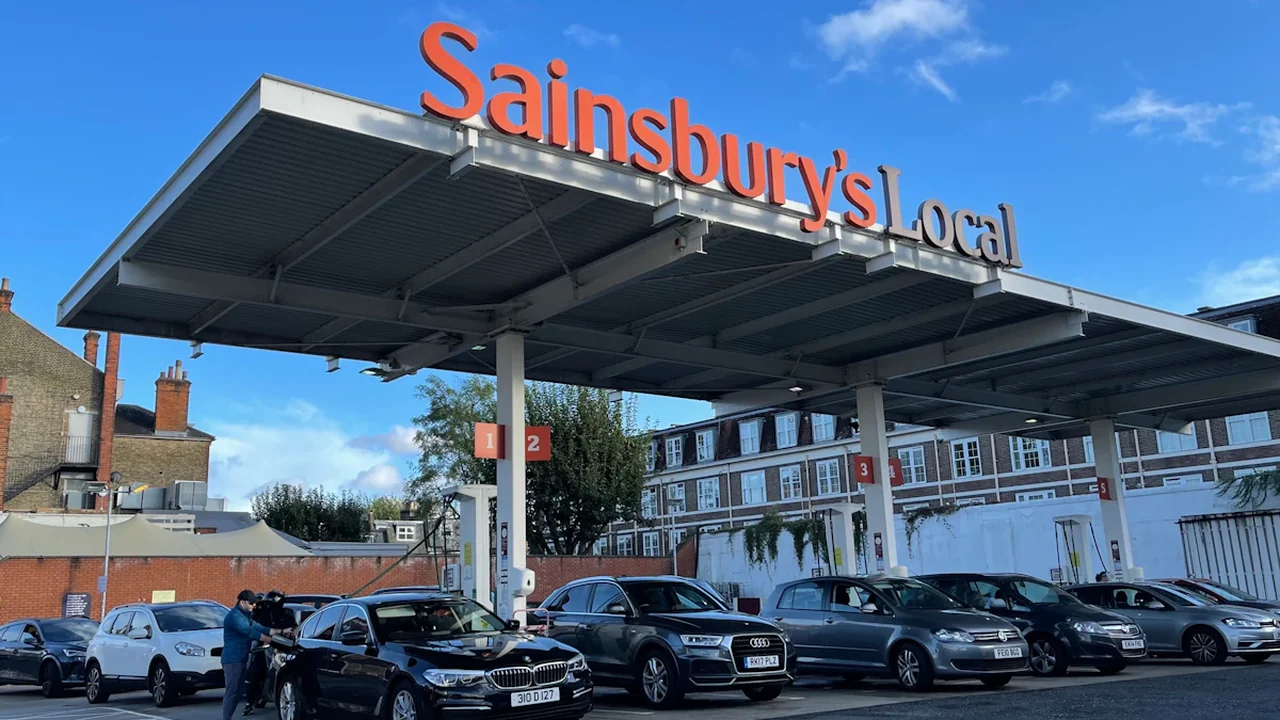
A pump that is 4p per litre cheaper saves £1.60 on a 40-litre fill before travel costs. Those figures are illustrative, not current prices. For UK drivers comparing petrol or diesel stations, the useful question is how much a full stop saves after any extra driving. Check the local pump prices and the distance you would actually add to your journey.
By the GlobeBids editorial team.
Use the weekly UK fuel price as a benchmark
The UK Government’s weekly road fuel prices series gives a national benchmark for petrol and diesel. It can help you judge whether a price you see looks high or low relative to a published UK figure. Check the date and fuel type on the latest release before making that comparison.
A national figure cannot tell you which nearby station is cheapest. Pump prices can differ between stations, and the price available to you is the one displayed when you arrive. Compare the same fuel grade at both stations; a price difference between different grades is not a like-for-like saving.
The weekly series also does not measure what one household will save. That depends on the local difference in pence per litre, the number of litres bought and whether reaching the cheaper pump adds miles. A large-looking difference on a roadside sign may amount to little on a small top-up.
Turn pence per litre into a saving
Multiply the price difference by the litres you expect to buy. If the cheaper station is 4p per litre less and you buy 40 litres, the pump saving is 4p × 40 = 160p, or £1.60. All three numbers are illustrative. Substitute the prices and fill size you can observe yourself.
The litres matter more than your tank’s stated capacity: you pay only for the fuel you buy on that visit. At the same illustrative 4p difference, a 20-litre top-up saves 80p, while a 50-litre fill saves £2. Neither figure accounts for the trip to the station.
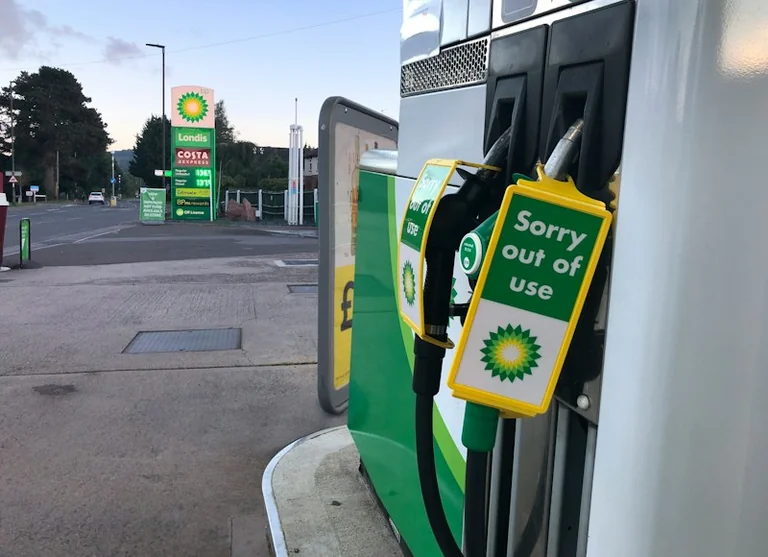
If the cheaper pump is already on a journey you planned to make, the extra driving may be close to zero. If it requires a detour, measure the additional round-trip distance rather than the one-way distance from your home. A route that adds three miles each way adds six miles to the calculation.
Subtract the fuel used on the detour
For an illustrative six-mile detour in a car returning 40 miles per imperial gallon, the extra driving uses about 0.68 litres: 6 ÷ 40 × 4.546. At an illustrative fuel cost of 145p per litre, that fuel costs about 99p. Subtracting it from the £1.60 pump saving leaves roughly 61p. The 145p figure is an example for the calculation, not a claim about today’s UK price.
Your result will change with your car’s real fuel economy, the route and the price paid for the fuel used on the detour. Congestion, parking charges and the value of your time can reduce the benefit further. If you are comparing diesel prices, use your diesel vehicle’s fuel economy and the relevant diesel price in the same calculation.
For the sample figures, a detour of about 9.7 miles would consume fuel worth roughly £1.60, wiping out the pump saving before other costs. That is a break-even distance for this example alone, not a general rule for UK drivers.
Before setting off, check both local pump prices, estimate how many litres you need and look at the added round-trip mileage. Use the latest UK Government weekly series for national context, then let those local numbers decide whether the cheaper pump saves you money.
Source: UK Government
Context & actions About this article
Source check How the saving is calculated
The UK Government provides the weekly national benchmark; the worked saving uses clearly labelled example prices, quantities and mileage.
- Check the date and fuel type in the latest UK Government weekly series.
- Compare current local pump prices for the same fuel grade.
- Multiply the local price difference by the litres you expect to buy.
- Subtract fuel used on any additional round-trip mileage.
- Source
- UK Government weekly road fuel prices
- Scope
- United Kingdom
- Updated
- 2026-09-29 09:39
Source check
Report a trust issue
Send a clear signal to community moderation if the source, facts or context need review.


Comments